
All Blogs
A quick look at better options than Common Room.

Evan Marshall
Senior AI Growth Strategist
Published On
Common Room is genuinely excellent at one thing: turning community and product signals into a unified view of who's interested in your product. If you're running a PLG motion with active communities on Slack, Discord, or GitHub, it's probably the best tool in the category.
The problem is that it stops there. You still need Outreach for sequences, a dialer for calls, and a RevOps brain to make sense of the dashboards. And at $20,000–$80,000+ per year, you're paying enterprise prices for intelligence without action.
This guide covers seven Common Room alternatives in 2026, matched to your use case, budget, and GTM motion. If you're not sure which fits, the decision framework at the end will help you find your best match. And if you're still on the fence about Common Room itself, our full pricing breakdown is here.
Why users leave Common Room or don't buy it
Four reasons come up consistently, and they're worth naming plainly because the right alternative depends on which one applies to you.
Price: Common Room starts at $20,400/year for the Starter plan and scales fast from there. For teams under 50 people without a dedicated RevOps, the number is hard to justify before you've proven the motion.
No outreach execution: Common Room surfaces signals but it can't act on them. Sending emails, making calls, or catching a visitor while they're live on your website all require separate tools. Most teams end up running a parallel outreach stack regardless.
PLG-first design: Common Room was built around community and product-led growth. Teams running primarily outbound or inbound motions often find the signal coverage less relevant to how they actually generate pipeline.
Complexity without a clear payoff: 14 of 106 G2 reviews cite steep learning curve or UI complexity. Without ops capacity to configure scoring models and maintain workflows, the platform gets underused — and an underused $20K tool is an expensive spreadsheet.
How we chose these seven tools
We started with what GTM practitioners are actually recommending — G2's alternatives list, Slack communities, and LinkedIn threads where sales and RevOps teams talk about their stacks.
From there we applied four filters:
the tool had to address at least one of the four reasons people leave Common Room;
pricing had to be publicly available or verifiable through third-party sources;
tools with near-identical use cases were grouped rather than listed separately (see the 6sense and Demandbase entries);
and tools built for community health and member engagement rather than pipeline conversion were excluded.
Our top 7 Common Room alternatives
1. Breakout — The inbound AI SDR
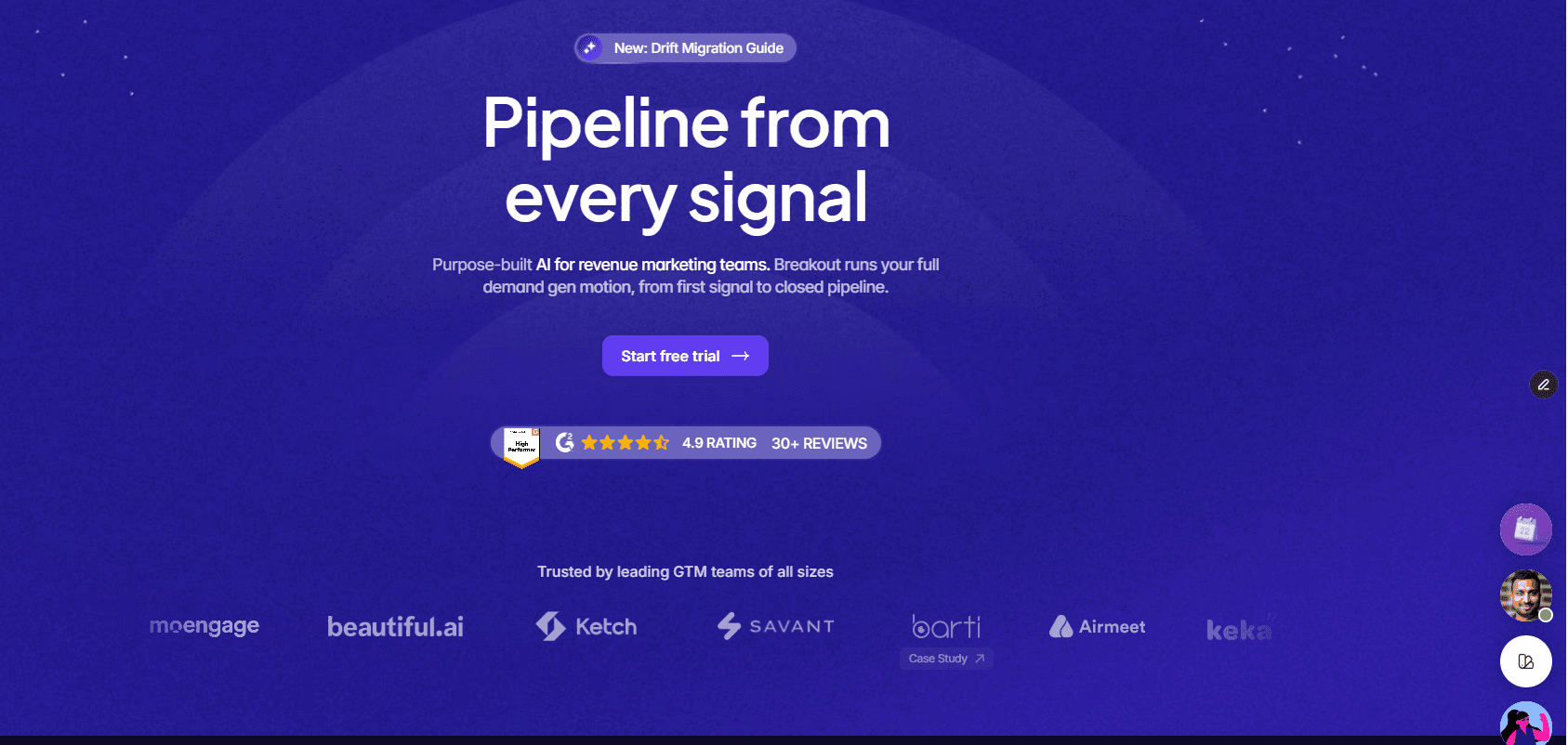
What it is: An inbound AI SDR that identifies high-intent website visitors, engages them in real-time conversation, qualifies them, and books meetings directly into rep calendars. Where Common Room watches signals across community and product channels, Breakout focuses on the highest-intent signal of all: someone is on your website right now.
Best for: B2B teams already generating qualified traffic — from demand gen, events, content, or community activity — but losing visitors before a rep can engage. Also a strong fit for teams that use Common Room to identify which accounts are in-market and need a way to convert them when those accounts show up on the site.
How it differs from Common Room: Common Room is a signal aggregation platform. It tells you who to care about. Breakout is a conversion platform. It has the conversation while the person is still on your site. The two tools address adjacent moments in the buyer journey — Common Room finds who's interested, Breakout converts them while the intent is hot — and are used together by some teams for that reason.
Key features: Visitor deanonymisation at the person and company level, AI chatbot that holds contextual product conversations (not scripted flows), live demo delivery, buying committee identification, CRM routing, and calendar booking.
Pricing: Starter at $1,500/month (visitor ID, enrichment, warm outbound). Growth at $2,500/month (full inbound AI SDR with qualification, routing, and scheduling). Enterprise on request.
Verdict: If your problem is that Common Room is surfacing the right accounts but your team can't engage them fast enough, Breakout is the most direct fix. If your problem is that you don't have enough signal coverage in the first place, start with Common Room.
2. Apollo.io
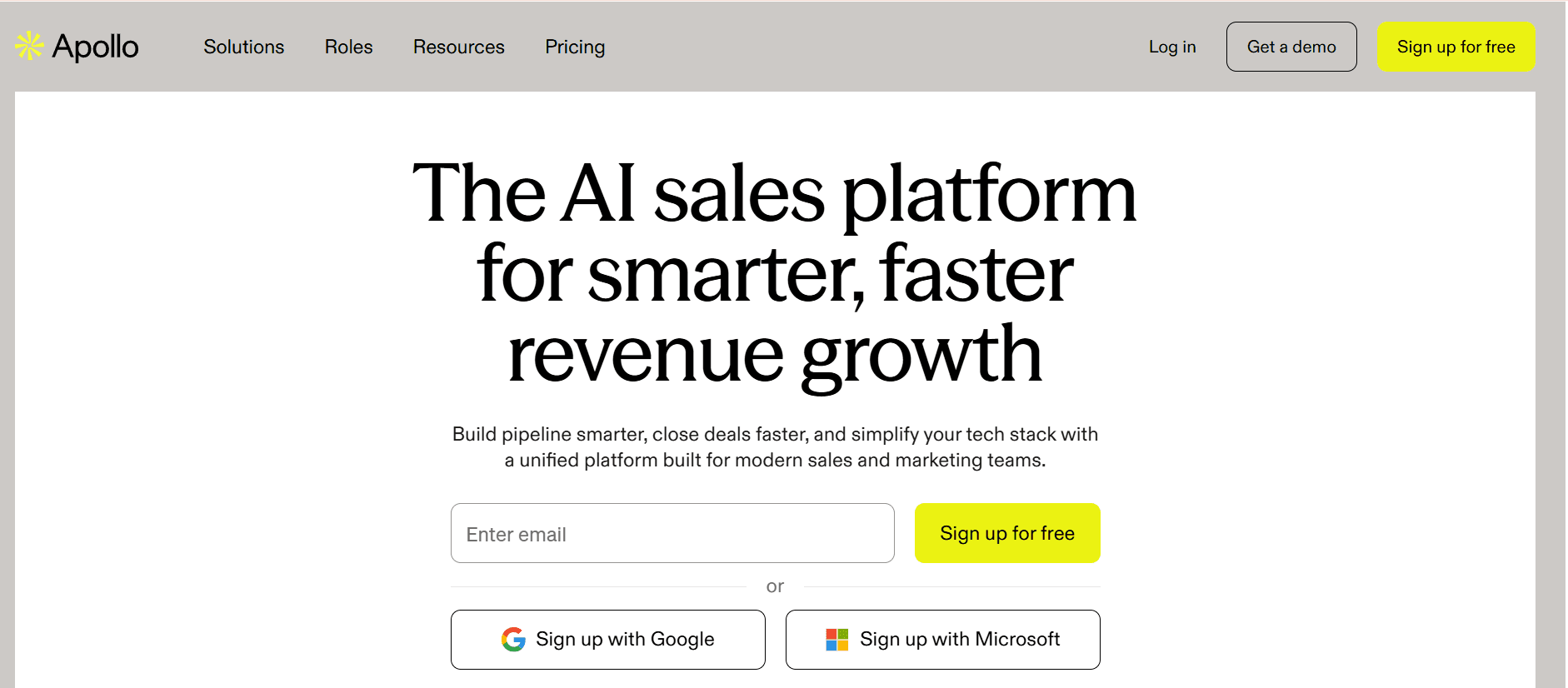
What it is: A 230M+ contact database combined with email sequencing, a built-in dialer, conversational intelligence, and deal management tools. In March 2026, Apollo acquired Pocus, adding signal intelligence and rep workflow prioritisation to the platform — making it a meaningfully more complete GTM tool than it was 12 months ago.
Best for: Outbound-first teams that need prospecting, sequences, and a dialer without a four-figure monthly bill. The Pocus acquisition makes it increasingly relevant for PLG teams that also want structured rep playbooks on top of product and CRM signals.
How it differs from Common Room: Apollo gives you the execution layer Common Room doesn't — sequences, dialer, contact data, and now signal intelligence via Pocus. Common Room still leads on community signal depth: Slack threads, Discord activity, GitHub contributions, G2 reviews. They were solving different problems; Apollo's acquisition of Pocus has started to close that gap from the execution side.
Pricing: Free tier available. Basic: $49/user/month (billed annually). Professional: $79/user/month. Organization: $119/user/month. Note that Apollo runs a credit-based system — credits govern how much data you can access and export each month, and costs can run 2–3x the advertised rate once overages are factored in for high-volume teams.
Verdict: The most complete outbound platform in the category, and getting stronger on the intelligence side. If you're under 50 people and primarily outbound, Apollo now covers more ground than it did when most Common Room comparisons were written.
3. Artisan
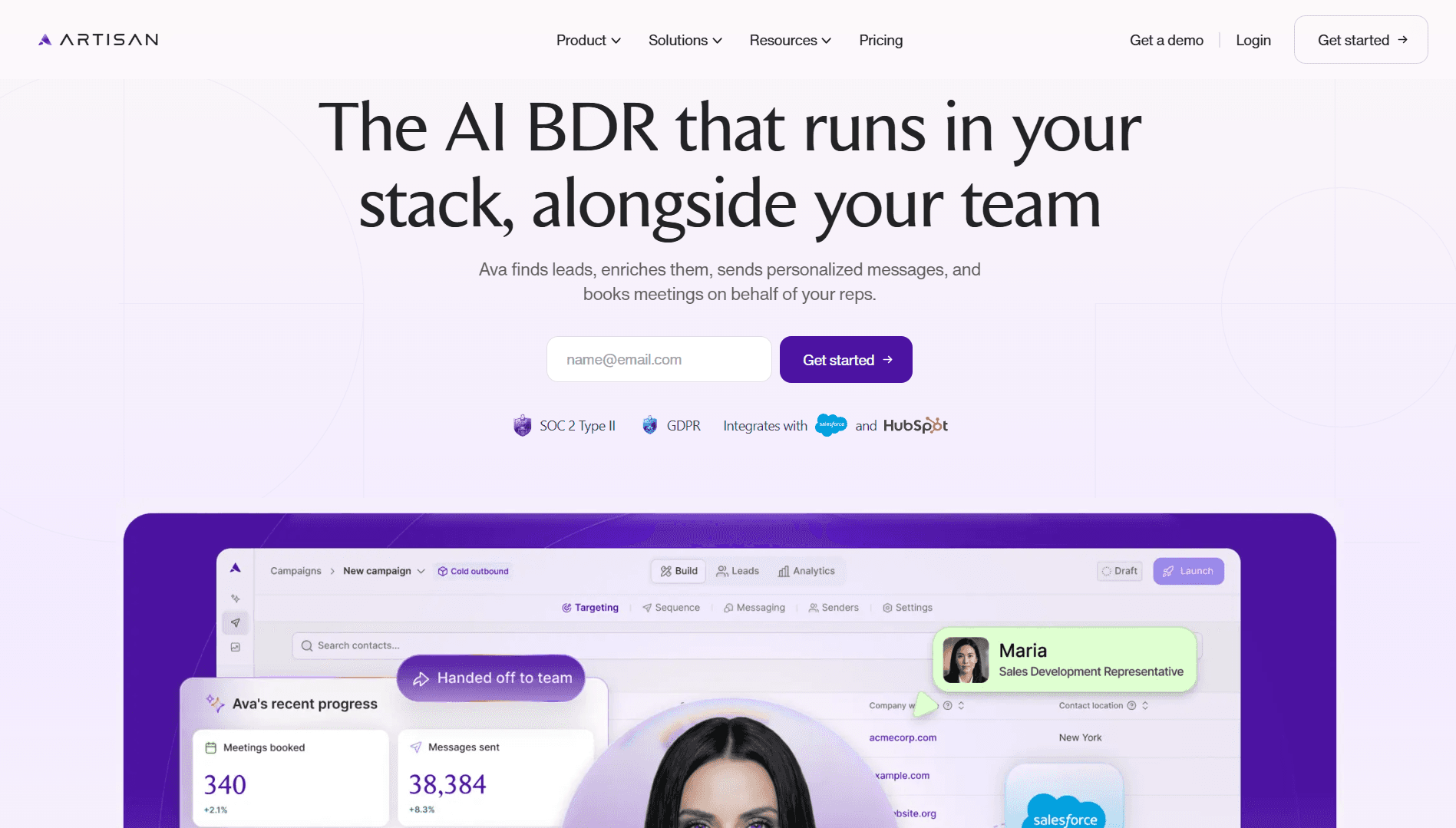
What it is: An AI BDR platform where an agent called Ava sources leads from a 250M+ contact database, enriches them across a wide range of data sources, writes and sends multi-channel sequences, handles replies, and books meetings. It ships with pre-built campaigns covering intent-triggered outreach, website visitor de-anonymization, CRM lead reactivation, closed-lost and event follow-up, and upsell and cross-sell.
Best for: Teams that want intent monitoring and outreach execution in one platform instead of a signal layer feeding a separate sequencer.
How it differs from Common Room: Common Room tells you which accounts are engaged; Artisan monitors intent and then acts on it, sending the sequence, answering the reply, and booking the meeting. It also works warm pipeline that Common Room leaves alone, running reactivation, closed-lost, and upsell campaigns off two-way CRM sync with Salesforce or HubSpot.
Pricing: Usage-based, set against what different company sizes need.
Verdict: If Common Room is identifying the right accounts but nothing is following up on them, Artisan covers the outbound half of that gap and the warm pipeline already sitting in your CRM.
4. ZoomInfo
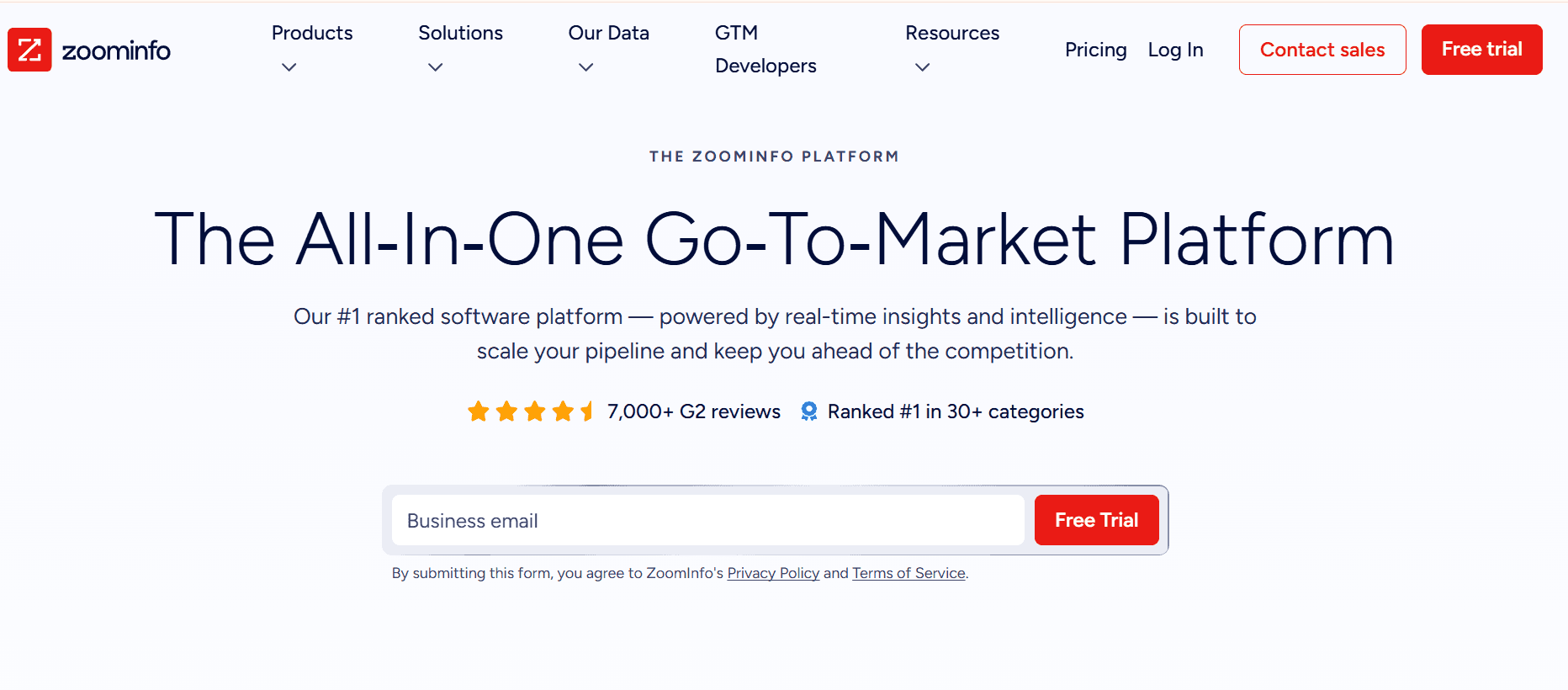
What it is: One of the largest B2B contact databases, with WebSights for website visitor identification, Bombora-powered intent data, org charts, and company news and job change triggers.
Best for: Enterprise teams that need a verified contact database as their foundation and want intent data layered on top. Teams with large territory plans and high-volume outbound motions.
How it differs from Common Room: ZoomInfo's strength is breadth and verification of contact data. Common Room's strength is signal depth — particularly from community and product sources ZoomInfo doesn't track. ZoomInfo is designed for data access at scale; Common Room is designed for signal-based workflow action. They're solving different problems at similar price points.
Pricing: $14,995+/year. Tiered by credits and data access. Total cost of ownership at mid-market scale is comparable to Common Room.
Verdict: The right choice for enterprise outbound teams where contact database quality and coverage are the primary needs. Not a replacement for Common Room's signal intelligence, and the implementation and procurement process is comparable in complexity.
5. 6sense
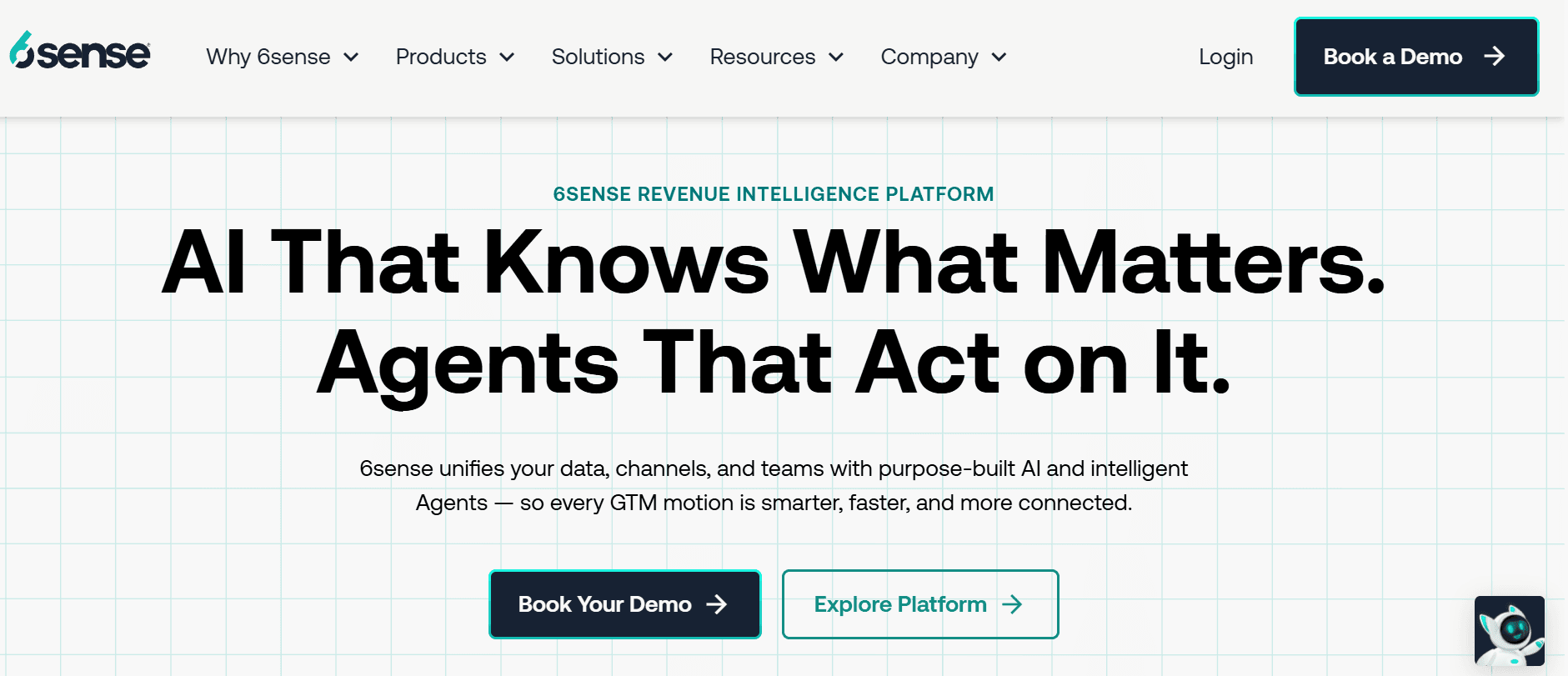
What it is: An enterprise ABM platform with deep intent data, account-level identification, predictive analytics, and programmatic advertising capabilities.
Best for: Large enterprises running full ABM programmes with dedicated marketing ops teams and significant ad budgets. Teams where deal timing is driven by identifying anonymous buying intent early, before a prospect has engaged directly.
How it differs from Common Room: 6sense operates at the company level — no person-level identity resolution — and focuses on anonymous buying intent across third-party sites rather than community or product signals. The two tools are genuinely different in what they track and who they're built for. 6sense serves ABM and demand gen; Common Room serves community-led and PLG.
Pricing: Custom enterprise. Minimum typically $50,000+/year. Expect a longer sales and implementation cycle.
Verdict: Relevant only for large enterprises with mature ABM programmes. Not a fit as a Common Room replacement for PLG, developer-led, or inbound-focused companies.
6. Demandbase
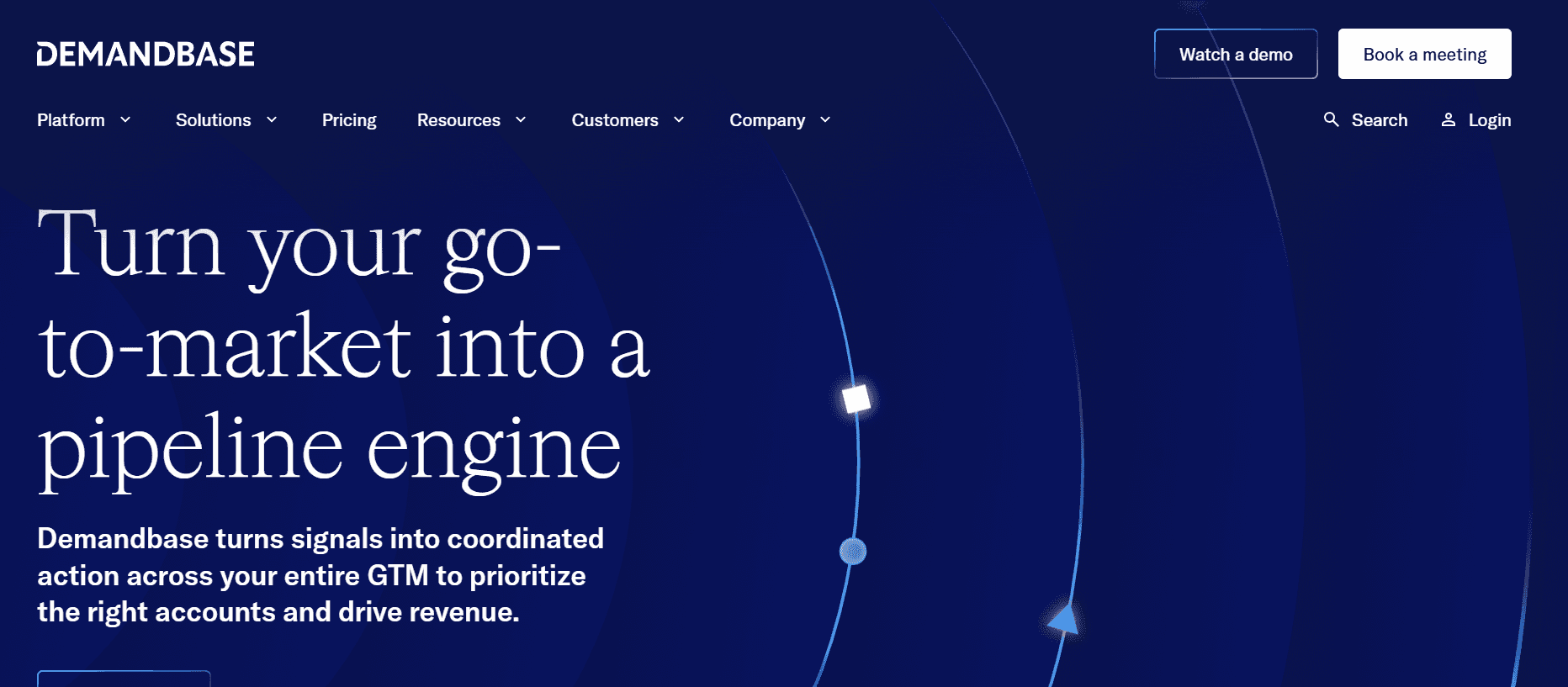
What it is: An enterprise ABM platform combining account-level identification, intent data, and programmatic advertising. The most direct 6sense competitor.
Best for: Large B2B enterprises running multi-channel ABM where display advertising is a core channel and account identification needs to feed directly into ad targeting.
How it differs from Common Room: Like 6sense, Demandbase focuses on company-level identification and advertising orchestration rather than community or product signals. The primary differentiator from 6sense is Demandbase's stronger enterprise customer base and different intent data methodology. For most buyers who are comparing both, they're a side-by-side evaluation, not a sequential one.
Pricing: Custom enterprise. Comparable to 6sense.
Verdict: Same use case as 6sense. If enterprise ABM with advertising orchestration is your motion, evaluate both together rather than separately. Not a Common Room replacement for any other GTM motion.
7. Qualified
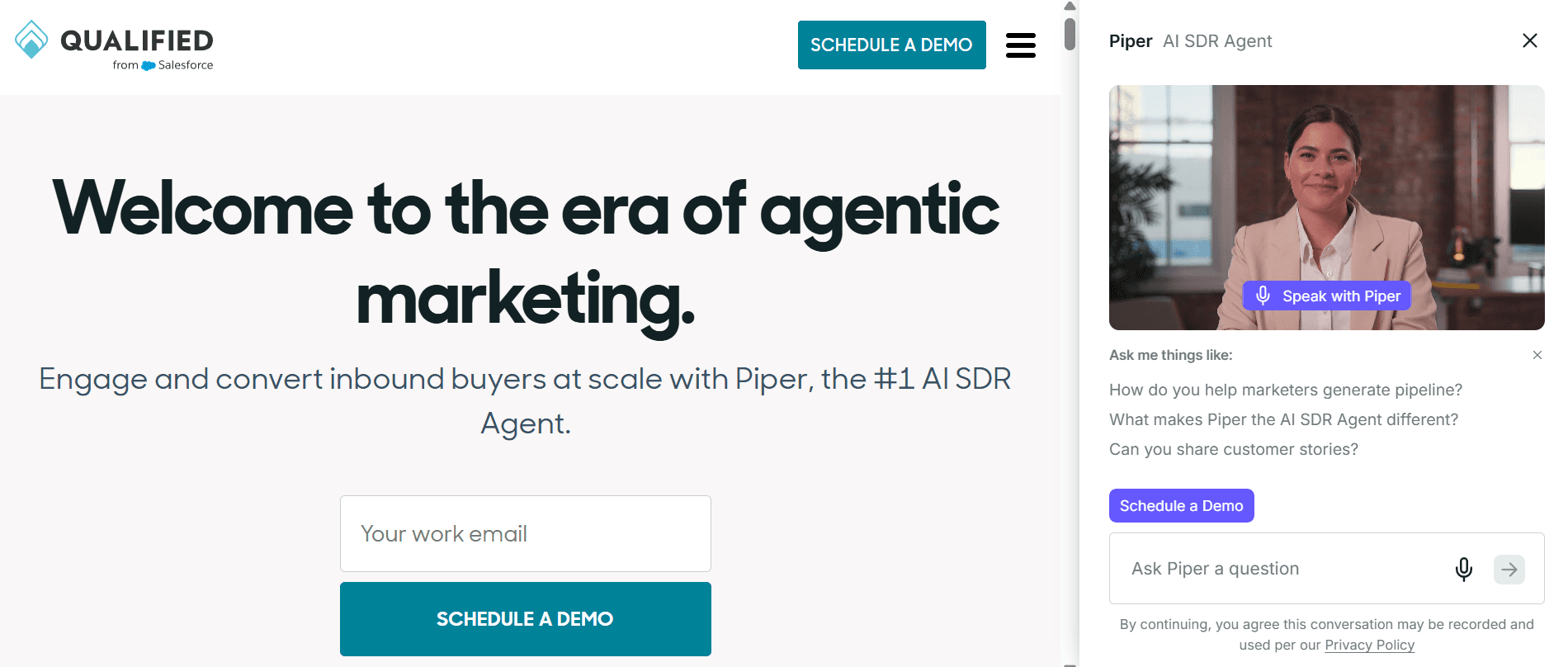
What it is: A pipeline generation platform built natively on Salesforce. Its AI SDR agent, Piper, qualifies inbound website visitors, automates responses, and routes conversations to the right sales rep. Designed for enterprise teams with long sales cycles and complex buying committees.
Best for: Mid-to-large B2B companies deeply invested in Salesforce where CRM-native routing accuracy and timing matter. Enterprise teams with structured SDR capacity and defined playbooks for inbound engagement.
How it differs from Common Room: Qualified and Common Room solve entirely different problems. Common Room aggregates signals across community and product channels. Qualified converts inbound website visitors using AI-driven conversation — it's closer to Breakout than to Common Room in what it actually does. Where Qualified has the advantage of deep Salesforce integration and enterprise routing complexity, Breakout's AI conversations are more contextually dynamic and less dependent on rigid CRM workflows.
Pricing: Custom enterprise pricing. Requires demo. Positioned at the higher end of the inbound conversion category. You can also refer to our Qualified pricing breakdown blog for a more in-depth review.
Verdict: The right choice for large Salesforce-native enterprises that need enterprise-grade inbound routing and governance. For mid-market teams that want faster time-to-value and more flexible AI conversations, Breakout is the more practical option.
Decision framework: Which tool is right for you?
Most listicles mention alternative tools and leave the choice to you. This section doesn't. If one of these descriptions matches your situation, that's your answer.
If your primary problem is... | Use this |
|---|---|
You need intent monitoring and outbound execution in one platform, without wiring a signal layer to a separate sequencer | Apollo.io |
You need signal intelligence and rep playbooks on top of product and CRM data (post-Pocus acquisition) | Apollo.io |
You need to engage and qualify website visitors in real time, without a rep available 24/7 | Breakout |
You need intent monitoring and outbound execution in one platform, without wiring a signal layer to a separate sequencer | Artisan |
You need a verified contact database for high-volume enterprise outbound | ZoomInfo |
You're running enterprise ABM with display advertising as a core channel | 6sense or Demandbase |
You're a Salesforce-native enterprise that needs structured inbound routing and governance | Qualified |
You need community + product signals across Slack, Discord, GitHub, and G2 | Common Room (stay or reconsider) |
One nuance worth calling out, because it comes up in almost every evaluation: Breakout and Warmly are often compared because both deal with website visitor intent. They're not the same product.
Warmly is built around alerting reps and triggering outreach sequences when a known account visits. The platform assumes a rep is available to act. Breakout is built around the AI holding the qualification conversation itself, 24/7, without rep availability as a dependency. If your team has SDRs monitoring a live queue, Warmly may be enough. If you want your site to convert visitors autonomously and feed meetings directly into rep calendars, Breakout is the better fit.
The bottom line
Common Room built something genuinely useful for a specific type of company — one with active communities, a product-led motion, and the RevOps capacity to turn signals into pipeline. For that buyer, $20K–$30K/year is defensible.
For everyone else, the question isn't which alternative is most similar to Common Room. It's which tool actually solves your problem, and those are often not the same question.
If the problem is signal coverage across the community and product channels, Common Room is still the right answer. If the problem is converting the traffic and intent you already have into booked meetings, you're looking at the wrong category entirely.
The GTM stack in 2026 is increasingly modular. The best teams aren't looking for one tool that does everything. They're looking for the right tool for each moment in the buyer journey. Common Room owns the signal layer. Breakout owns the conversion moment. Knowing which one you actually need is the right place to start.
Breakout engages every high-intent visitor on your site — qualifies them, answers their questions, and books the meeting. See it live at getbreakout.ai.


