All Blogs
A quick look at better options than Artisan.

Evan Marshall
Senior Growth AI Strategist
Published On

Outbound is getting louder, but your results are not improving at the same pace.
You are likely sending more emails, running more sequences, and testing more variations, yet replies keep getting harder to win.
Buyers today ignore most cold outreach because they already have enough information before you even reach them.
AI SDR tools like Artisan promise automation at scale, but automation alone does not guarantee pipeline or meetings.
The gap is simple. Most tools focus on sending more messages, not acting at the right moment.
More emails do not mean more pipeline.
Better timing does.
In this guide, you will explore the best artisan alternatives in 2026 based on how they actually generate pipeline, not just activity.
Quick Look
What actually matters when choosing an Artisan alternative:
Outbound automation tools like Artisan help you send more messages, but they do not guarantee better timing or higher conversion rates.
Increasing outreach volume does not directly translate to pipeline, since meetings still depend on when and how buyers choose to engage.
Most alternatives improve one layer, such as data, messaging, or deliverability, but still rely on outbound execution to drive results.
Breakout stands out by identifying visitors, engaging them in real time, and following up after they leave without manual effort.
Tools like Warmly and Qualified provide visibility or engagement, but they do not fully handle conversion end-to-end.
The shift is moving from sending more messages to acting on buyer intent during and after the moment it happens, which directly impacts pipeline creation.
What Is Artisan And Who Is It For
Artisan is an AI outbound SDR platform designed to automate prospecting and outreach workflows for sales teams. Here’s what you need to know:
Automates cold email sequences and follow-ups across multiple touchpoints
Focuses on scaling outbound efforts with minimal manual involvement
Uses AI to generate messaging and manage outreach workflows
Designed for teams prioritizing outbound volume and automation
It works well if your strategy depends on sending more messages, but it does not directly improve conversion timing.
Why Teams Are Looking For Artisan Alternatives
Outbound automation is no longer enough to consistently generate pipeline, especially when buyers control when and how they engage.
Here are the main reasons teams are moving away from Artisan:
1. Outbound Fatigue Is Real
You are competing in crowded inboxes where buyers ignore most cold emails, making reply rates decline even when volume increases.
2. Volume Does Not Equal Pipeline
You can increase sequences and outreach activity, but meetings still depend on whether your message lands at the right moment.
3. Personalization Is Still Limited
AI-generated messaging improves efficiency, but it often lacks the depth needed to stand out in competitive buying situations.
4. Timing Is Often Off
Outbound outreach reaches buyers before they are ready or after they have already made a decision.
5. There Is No Inbound Conversion Layer
Artisan does not capture or convert buyers who are already visiting your website and actively evaluating solutions.
What To Look For In An Artisan Alternative
Choosing the right alternative depends on how effectively the tool converts intent into meetings, not just how much outreach it automates.
Here is what you should evaluate:
1. Signal-Based Engagement Matters More Than Sequences
You need tools that act on real buyer intent instead of sending messages based on static lists and assumptions.
2. Personalization Should Go Beyond Templates
Effective tools use context and behavior to drive conversations instead of relying only on generated copy.
3. Deliverability And Quality Control Are Critical
High-volume outreach can damage domain reputation, so you need systems that prioritize quality over quantity.
4. Multi-Channel Execution Improves Reach
Email alone is not enough, and tools should support engagement across channels without increasing complexity.
5. Inbound And Outbound Should Work Together
The best tools do not just generate demand but also capture and convert it when buyers show intent.
Top 8 Artisan Alternatives in 2026
These tools take different approaches to pipeline generation, so understanding how they operate is key to choosing the right one. Below is a detailed breakdown:
1. Breakout
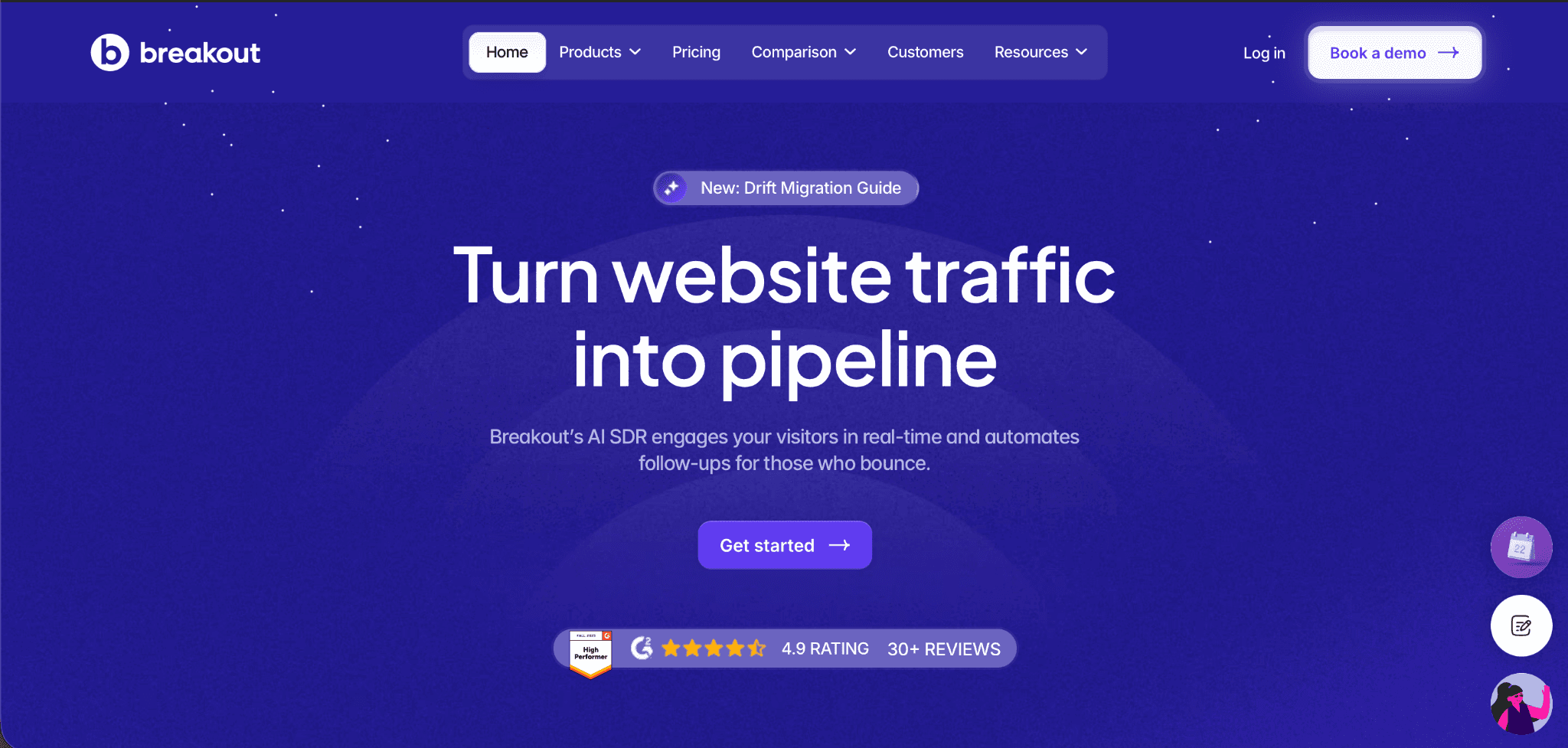
Breakout focuses on converting inbound traffic instead of generating outbound activity. It operates when buyers are actively researching, engaging them instantly and continuing the conversation after they leave.
This makes it fundamentally different from outbound tools, as it removes delays between intent and action while reducing reliance on manual follow-ups and SDR bandwidth.
The Contrast
Artisan focuses on outbound automation, while Breakout focuses on converting inbound demand in real time.
Artisan sends messages at scale
Breakout engages buyers when they are actively on your website
Why Should You Switch
If your pipeline depends on outbound, you are always chasing attention instead of capturing it. Breakout changes this by acting during and after the visit, engaging buyers instantly, qualifying them automatically, and following up without manual effort.
Key Features
Deanonymization: Identify website visitors without requiring form submissions
AI SDR Conversations: Engage visitors instantly with contextual conversations
Real-Time Qualification: Qualify leads dynamically based on behavior and responses
AI Follow-Up Emails: Continue engagement after visitors leave your website
Autonomous Meeting Booking: Book meetings without human intervention
CRM Flexibility: Works across systems without heavy setup
Here’s What This Looks Like In Practice
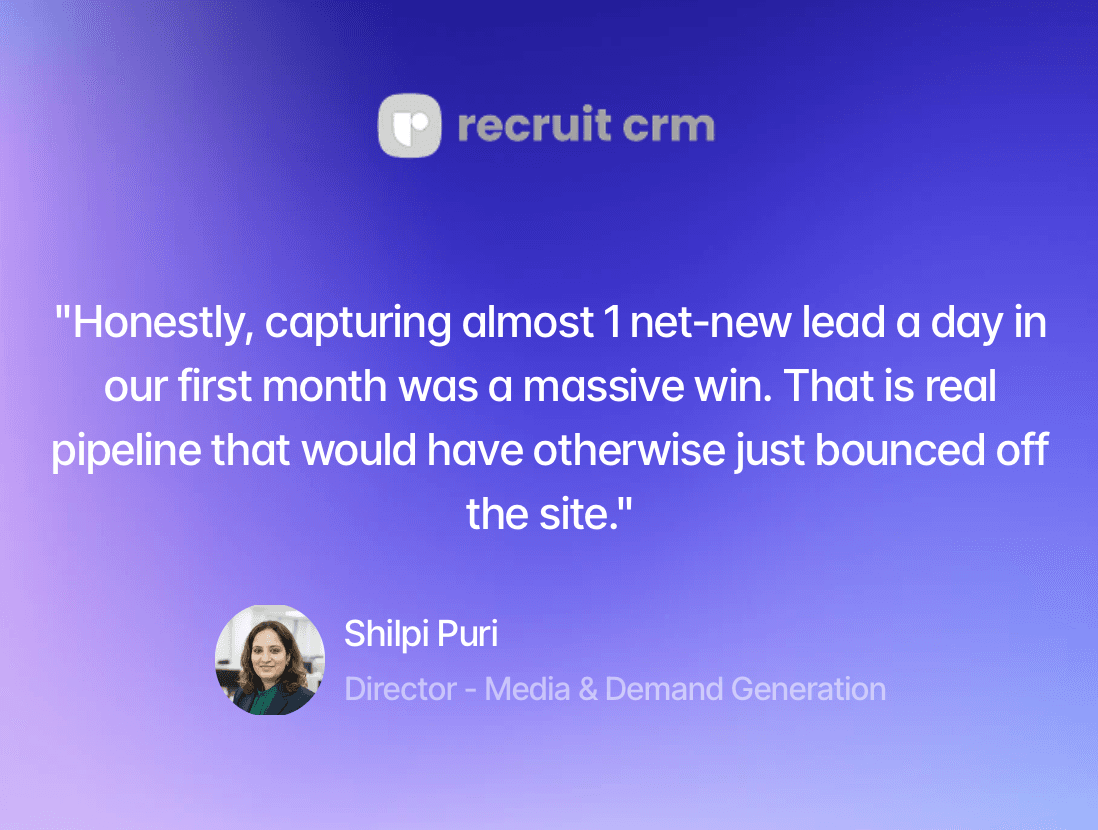
When Recruit CRM replaced Intercom with Breakout, they shifted from passive chat to real-time inbound conversion.
In the first month, Breakout engaged 867 website visitors and generated over 50 net-new pipeline opportunities without manual intervention.
The AI responded in under one second, covered 83 percent of after-hours traffic, and captured high-intent leads that would have otherwise gone unnoticed.
Instead of relying on delayed follow-ups, their team converted inbound traffic as it happened and used enriched data to support warmer outbound
2. Apollo.io
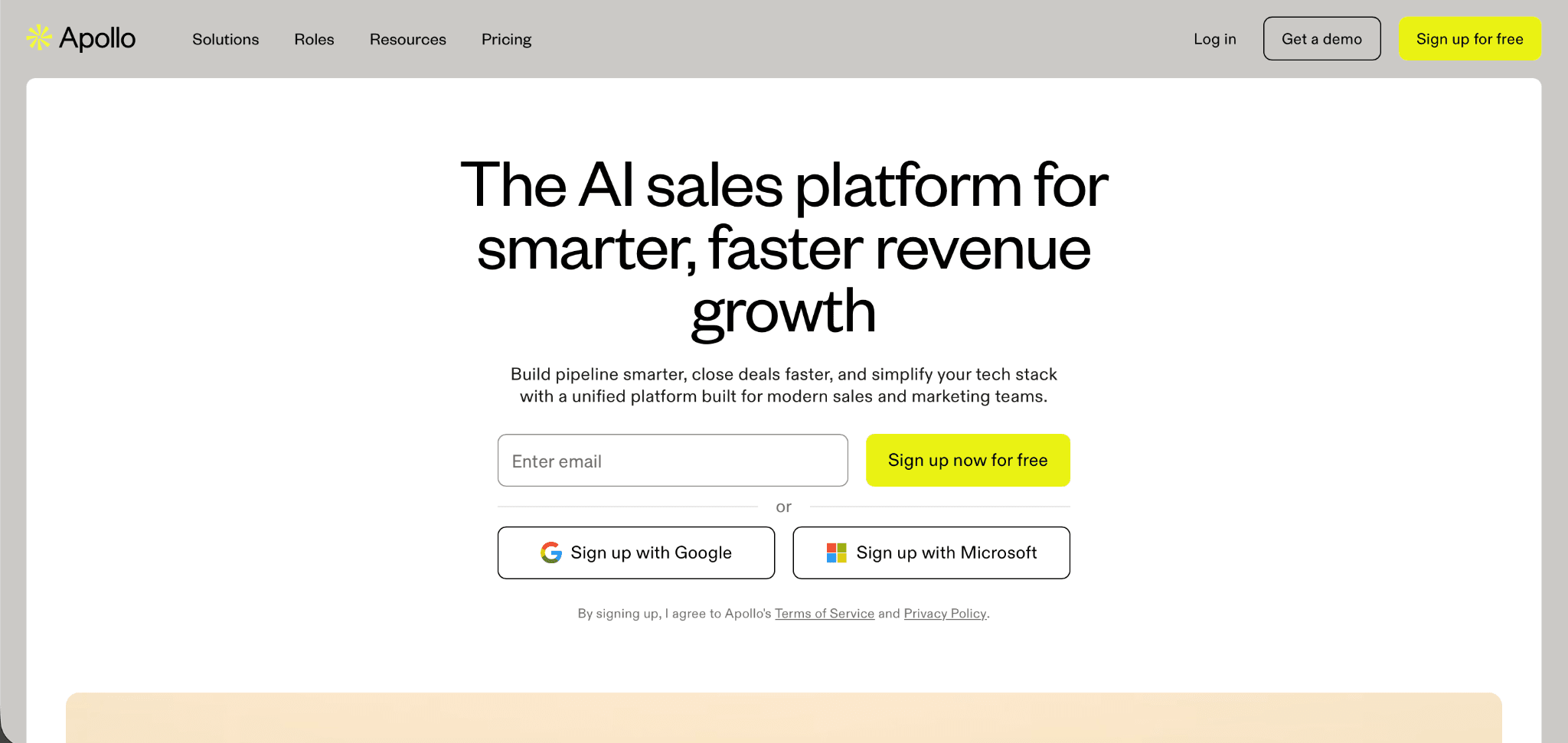
Apollo combines data access and outbound execution into a single platform, making it useful for teams running structured prospecting motions. It supports large-scale targeting and campaign management, allowing teams to control outreach workflows directly.
However, success still depends on response rates and timing, which can vary significantly across different segments and markets.
The Contrast
Artisan focuses on automation workflows, while Apollo combines data and outbound execution in one platform.
Artisan relies on AI-driven outreach
Apollo adds a large contact database and manual control
Why Should You Switch
Apollo works well if your strategy depends on outbound prospecting with access to large datasets. It gives you control over targeting and execution, but results still depend on response rates and timing.
Key Features
Contact Database: Access millions of verified contacts
Email Sequencing: Run multi-step outreach campaigns
Dialer Integration: Combine calls with email workflows
Lead Scoring: Prioritize prospects based on data signals
CRM Sync: Integrates with major CRM platforms
3. Regie.ai
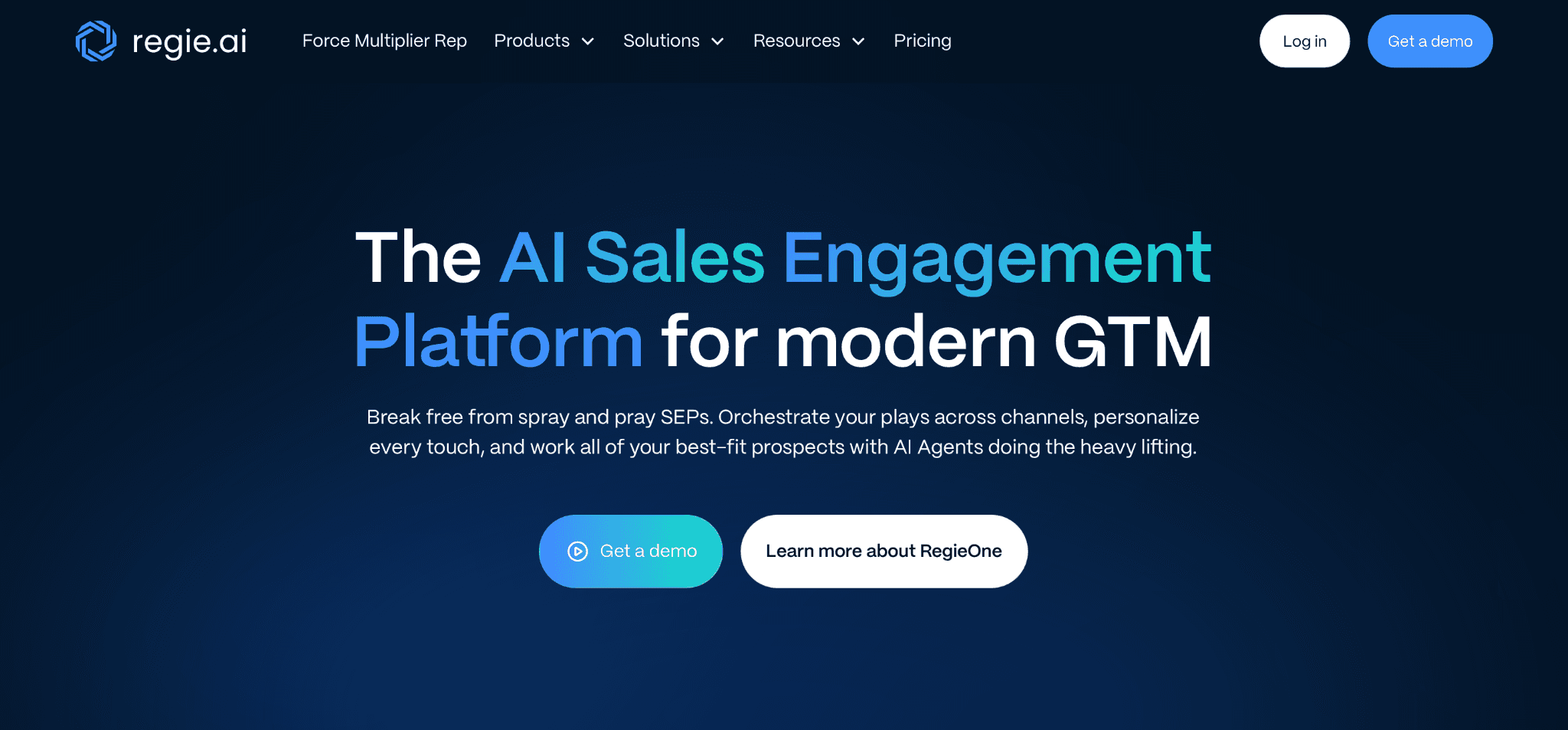
Regie focuses on improving how outbound messages are created rather than how they are delivered. It helps teams scale content production while maintaining consistency across campaigns.
This makes it valuable for teams struggling with messaging quality, but it still operates within outbound workflows where timing and buyer readiness remain outside direct control.
The Contrast
Artisan automates outreach, while Regie focuses on improving the quality of messaging.
Artisan emphasizes automation
Regie emphasizes content and messaging
Why Should You Switch
Regie helps improve how your outreach sounds, which can increase reply rates, but it still depends on outbound timing and execution to drive results.
Key Features
AI Content Generation: Create personalized sequences
Multi-Channel Campaigns: Email, LinkedIn, and more
Messaging Optimization: Improve copy quality
Playbook Templates: Pre-built outreach strategies
Analytics: Track engagement performance
4. Instantly.ai
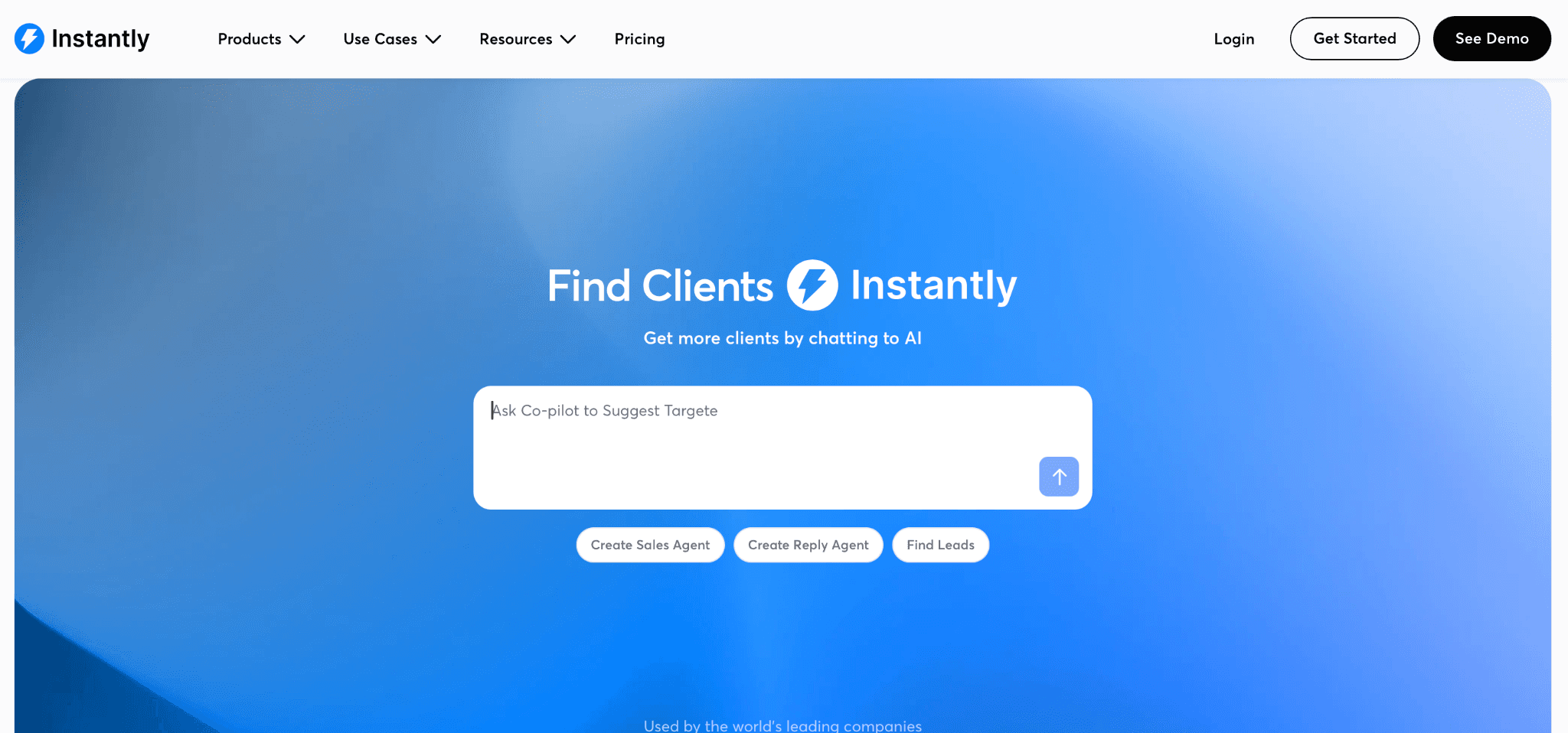
Instantly is built for teams prioritizing high-volume email campaigns and deliverability. It provides infrastructure to send outreach at scale without overwhelming a single domain.
And this makes it effective for aggressive outbound strategies, but it does not address whether those messages reach buyers at the right moment or lead to meaningful engagement.
The Contrast
Artisan automates outreach workflows, while Instantly focuses on scaling email infrastructure.
Artisan manages sequences
Instantly focuses on deliverability and scale
Why Should You Switch
Instantly is useful if your goal is to send large volumes of emails efficiently, but it does not improve timing or conversion beyond outreach execution.
Key Features
Inbox Rotation: Improve deliverability across accounts
Campaign Scaling: Send high-volume outreach
Analytics Dashboard: Track performance metrics
Lead Management: Organize outreach lists
Automation Workflows: Manage campaigns at scale
5. Lavender
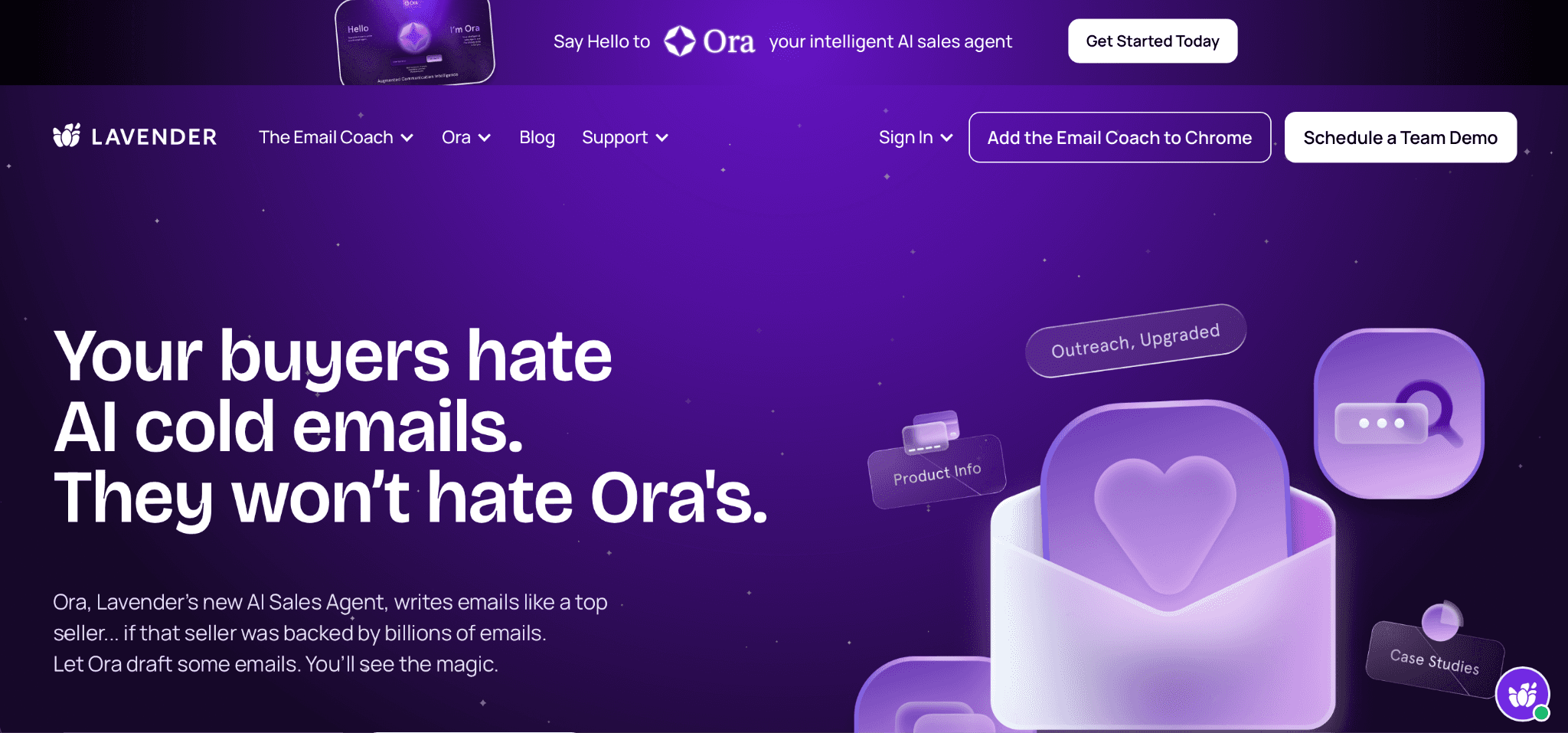
Instantly is built for teams prioritizing high-volume email campaigns and deliverability. It provides infrastructure to send outreach at scale without overwhelming a single domain, making it effective for aggressive outbound strategies
It does not address whether those messages reach buyers at the right moment or lead to meaningful engagement.
The Contrast
Artisan automates sending, while Lavender focuses on improving writing quality.
Artisan sends messages
Lavender improves how messages are written
Why Should You Switch
Lavender helps your team write better emails and improve response rates, but it does not generate pipeline on its own.
Key Features
Email Scoring: Evaluate message quality
Writing Suggestions: Improve tone and clarity
Personalization Insights: Add context to outreach
Coaching Tools: Help reps improve performance
Integrations: Works within email platforms
6. Warmly
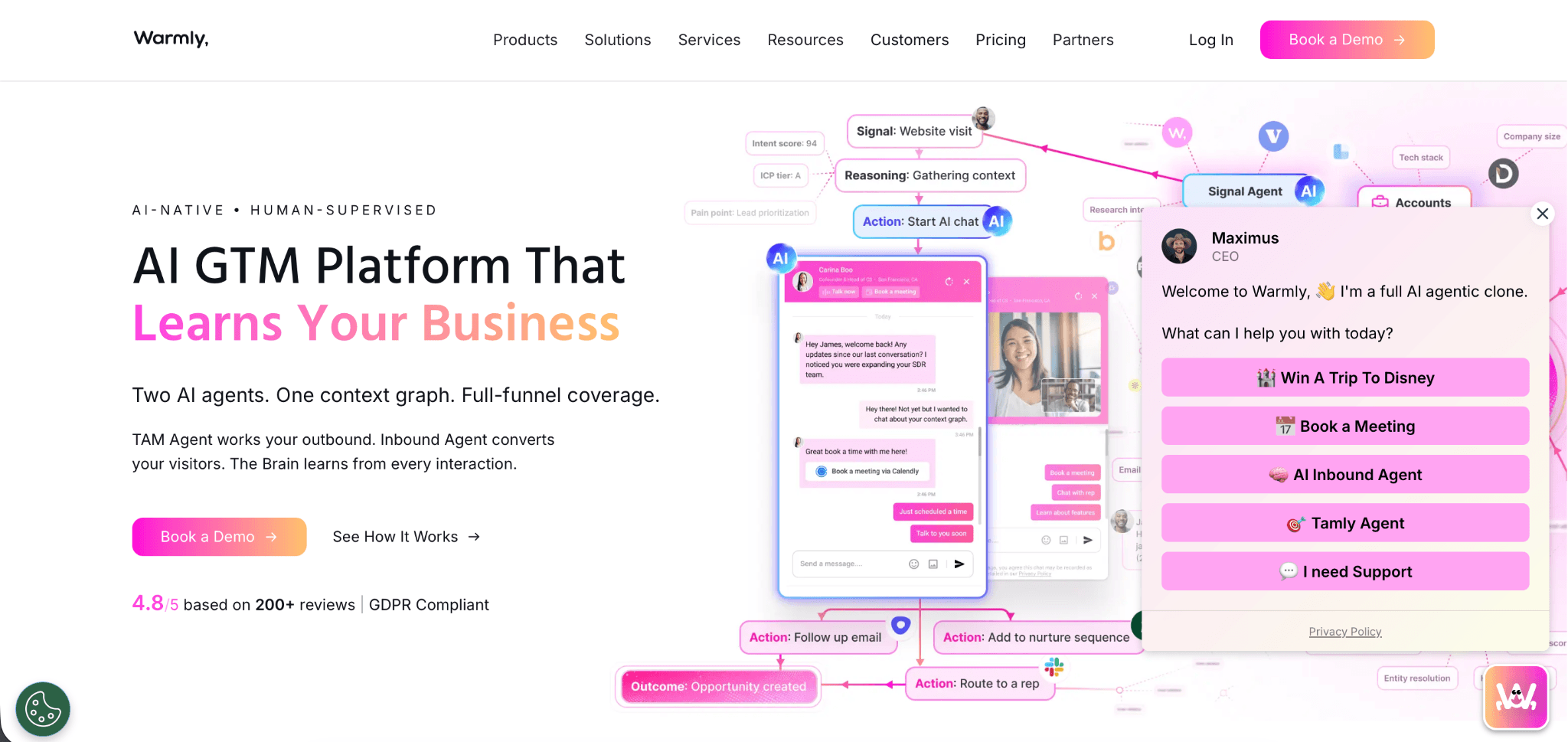
Warmly helps teams understand who is visiting their website by identifying anonymous traffic and surfacing account-level insights. This visibility allows sales teams to prioritize follow-ups based on activity.
Nevertheless, the platform stops at identification, leaving engagement, qualification, and conversion dependent on manual processes or additional tools.
The Contrast
Artisan focuses on outbound, while Warmly focuses on identifying inbound visitors.
Artisan sends outreach
Warmly shows who is visiting your website
Why Should You Switch
Warmly gives you visibility into website traffic, but your team still needs to engage and convert those visitors manually.
Key Features
Visitor Identification: Reveal anonymous companies
Slack Alerts: Notify sales teams in real time
Enrichment Data: Add company insights
CRM Sync: Connect with your systems
Basic Engagement Tools: Light interaction features
7. Qualified
Warmly helps teams understand who is visiting their website by identifying anonymous traffic and surfacing account-level insights. This visibility allows sales teams to prioritize follow-ups based on activity.
The platform stops at identification, leaving engagement, qualification, and conversion dependent on manual processes or additional tools.
The Contrast
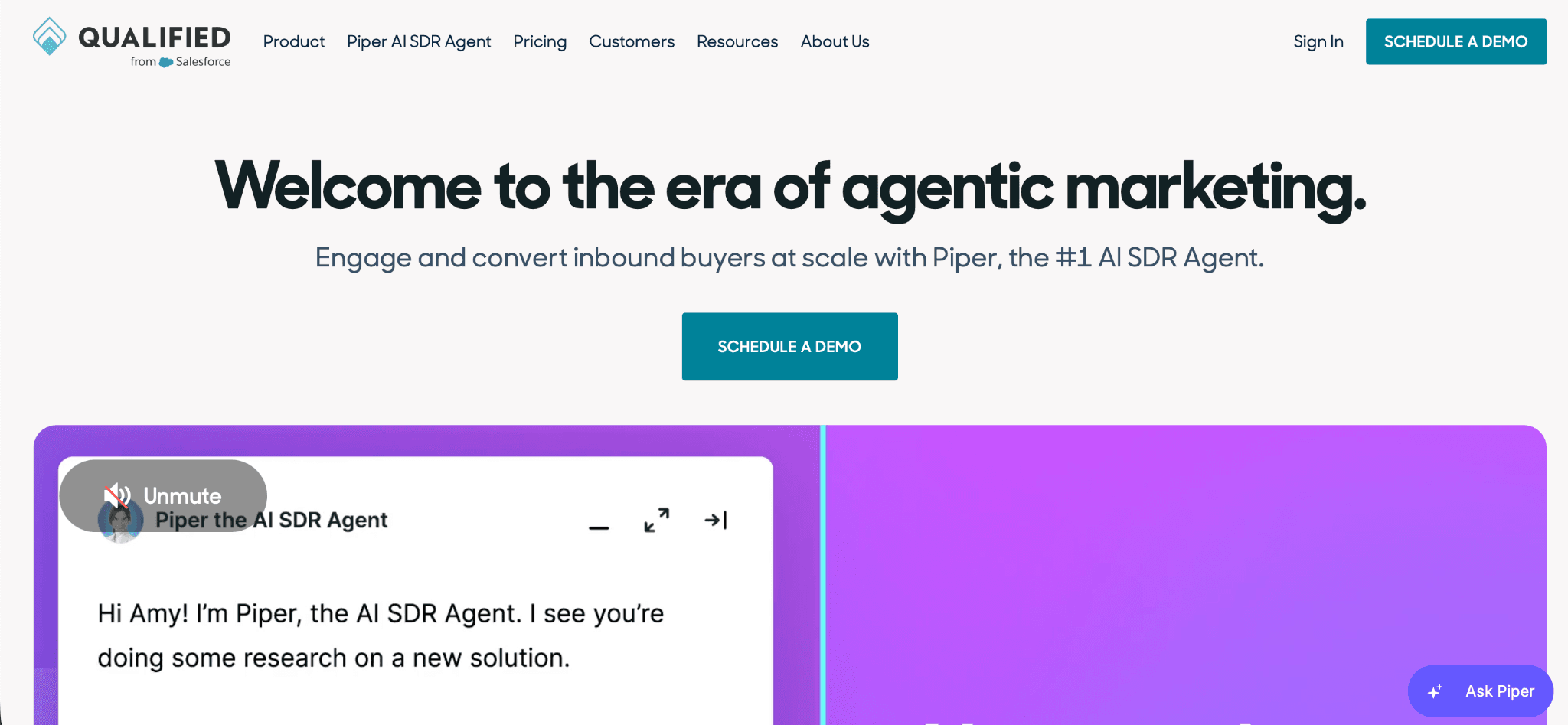
Artisan automates outreach, while Qualified focuses on website conversations within Salesforce environments.
Artisan handles outbound
Qualified handles chat-based engagement
Why Should You Switch
Qualified works well for enterprise teams with Salesforce setups, but it requires manual workflows and human involvement to scale effectively.
Key Features
Live Chat: Engage visitors in real time
Routing Logic: Direct leads to sales reps
Salesforce Integration: Native CRM connection
Meeting Booking: Schedule calls instantly
Reporting Tools: Track engagement metrics
8. 11x.ai
11x is designed to automate SDR workflows end-to-end, replacing manual prospecting and outreach tasks with AI-driven processes. It reduces operational effort for outbound teams and increases activity levels.
However, it still depends on outbound strategies and does not capture or convert inbound demand when buyers are already evaluating solutions.
The Contrast
Artisan automates outreach workflows, while 11x focuses on fully autonomous SDR execution.
Artisan supports automation
11x replaces SDR workflows entirely
Why Should You Switch
11x reduces manual effort significantly, but it still relies on outbound strategies and does not capture inbound demand.
Key Features
Autonomous SDR Agents: Handle prospecting and outreach
AI Personalization: Generate messages dynamically
Follow-Up Automation: Manage sequences automatically
CRM Integration: Sync with systems
Performance Tracking: Measure outreach success
If you want a quick summary before diving deeper, here’s how these tools compare side by side:
Tool | Primary Use Case | Best For | What It Does Well | Where It Falls Short |
Breakout | Inbound conversion | Teams with inbound traffic | Engages visitors in real time, qualifies, and follows up automatically | Newer category, not outbound-focused |
Apollo.io | Outbound + database | Outbound-heavy teams | Large contact database with sequencing and dialing | Depends on response rates and timing |
Regie.ai | Messaging optimization | Sales teams improving copy | Generates personalized sequences and messaging | Still relies on outbound execution |
Instantly.ai | Email infrastructure | High-volume outreach teams | Strong deliverability and campaign scaling | Prioritizes quantity over intent |
Lavender | Email quality | Individual reps | Improves writing, scoring, and personalization | Not a pipeline generation tool |
Warmly | Visitor identification | GTM teams tracking traffic | Identifies anonymous visitors and alerts teams | No built-in conversion layer |
Qualified | Chat + routing | Salesforce teams | Real-time conversations and routing | Requires manual setup and human involvement |
11x.ai | Autonomous outbound | Teams automating SDR workflows | Fully automated prospecting and outreach | Still outbound-first, lacks inbound capture |
Final Verdict: Choosing The Right Artisan Alternative For Your Team
Choosing the right tool depends on how your pipeline is generated and where your biggest gaps exist.
If your motion is outbound-heavy, Apollo and Instantly help scale outreach, but results still depend on replies and uncertain timing.
If your focus is messaging quality, Regie and Lavender improve how you write emails, but better copy does not fix when you reach buyers.
If your motion is inbound-led, buyers are already visiting your website and evaluating solutions, yet most tools do not act during or after this moment.
Breakout handles identification, engagement, qualification, and follow-up automatically while buyers are active and even after they leave.
Outbound tools chase demand, while inbound tools capture it when intent is highest.
The difference shows up in pipeline, not activity.
See how inbound conversations can turn into qualified meetings without waiting on manual follow-ups. Schedule a demo with Breakout today.
FAQs
Q. What are the best Artisan alternatives in 2026?
Breakout is a strong alternative if your focus is on converting inbound traffic into meetings in real time. Tools like Apollo.io and Instantly.ai work well for outbound scale, while Regie.ai and Lavender help improve messaging quality.
Q. Is Artisan only for outbound sales?
Yes, Artisan is built for outbound workflows like cold email automation and sequence management. It helps scale outreach, but it does not engage or convert buyers who are already visiting your website.
Q. What is better than Artisan for inbound conversion?
Breakout is a strong alternative if your goal is to convert inbound traffic into meetings. It engages visitors while they are on your website and continues the conversation after they leave, which reduces reliance on cold outreach.
Q. Are AI SDR tools replacing human SDRs?
AI SDR tools are not replacing human SDRs, but they are changing how work gets done. They handle repetitive tasks like outreach and qualification, allowing SDRs to focus on higher-value conversations and closing deals.
Q. Should I use outbound or inbound tools?
AI SDR tools are not replacing human SDRs, but they are changing how work gets done. They handle repetitive tasks like outreach and qualification, allowing SDRs to focus on higher-value conversations and closing deals.