All Blogs
A quick look at better options than 5 Default.

Evan Marshall
Senior Growth AI Strategist
Published On
You cannot run the same inbound playbook you used in 2020.
The inbound motion has changed, and buyer expectations have changed with it.
Today, teams can identify website visitors, engage them in real time, and even book meetings during the same session. Static forms and delayed follow-ups are no longer enough.
Default gained adoption by simplifying inbound workflows.
It bundled forms, scheduling, and enrichment into a single platform. For many teams, that consolidation reduced friction in the early stages.
In 2026, that approach is no longer sufficient.
As inbound volume increases, teams need more than workflow automation. They need better conversion.
This guide compares the top Default alternatives for inbound revenue teams. It shows which platforms simply manage inbound steps and which ones actively create pipeline.
Quick Verdict
Default organizes inbound workflows well, but it stops short of conversion. Most alternatives improve routing, scheduling, or data, not outcomes.
Breakout stands out as the strongest Default alternative in 2026. It converts live website traffic into meetings, not tasks or follow-ups.
If pipeline creation is the goal, Breakout is the clear upgrade.
4 Reasons Teams Consider Alternatives to Default
Default is widely adopted and well-liked for inbound routing.
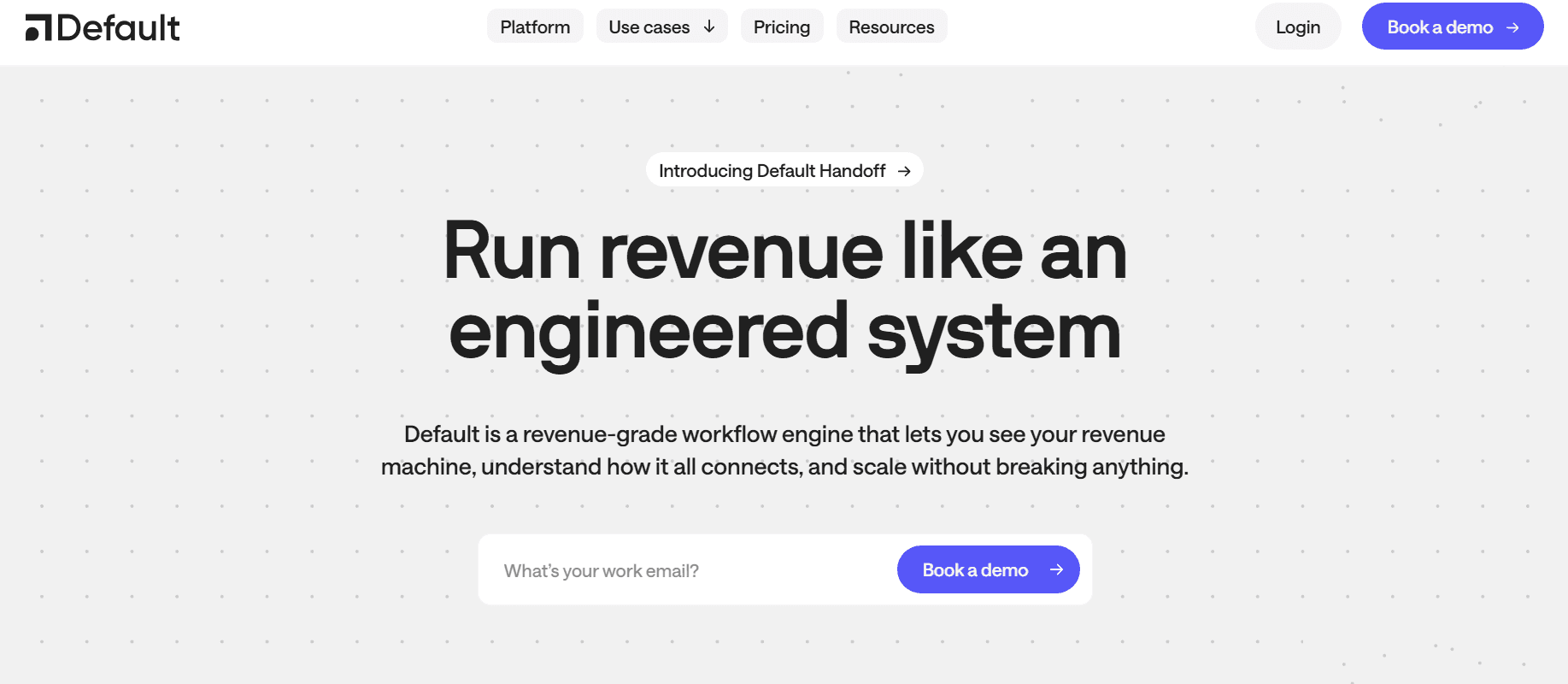
Many teams credit it with replacing messy Zapier workflows and centralizing lead orchestration.
At the same time, recurring patterns in user feedback explain why teams eventually look for alternatives.
1. Steep Learning Curve as Complexity Grows
Default can replace dozens of disconnected workflows, but that power comes with upfront complexity.
Teams often mention that getting workflows production-ready requires significant setup and iteration.
Several users note that while the platform becomes manageable over time. The initial learning curve is real, especially for non-technical teams. Building, testing, and maintaining complex routing logic takes effort, particularly as edge cases increase.
One G2 reviewer summed this up clearly:
“Because there are too many things you can do with Default, there can be a bit of a learning curve because of the complexity.”
— Natalie M., Head of Growth
This becomes a tipping point for teams that want faster time-to-value or less operational overhead.
2. Confusing Navigation and Workflow Debugging
Another common theme is navigation and transparency.
While the workflow builder looks polished, users often struggle to understand why a lead was routed a certain way.
Logs and explanations are not always intuitive, especially when multiple conditions overlap. This can make debugging routing errors slow and frustrating, particularly for revenue teams that need confidence in assignment logic.
One reviewer described this frustration after switching from a more established routing tool:
“The workflow builder looks nice, but it does not explain why the leads route incorrectly.”
— Ashwin C., Digital Marketing Manager
For teams managing complex inbound flows, a lack of visibility becomes a risk.
3. Technical Gaps and Limited Integrations
While Default integrates with major systems, several users report limitations once they move beyond common use cases.
Reviews frequently mention restricted customization, limited form flexibility, and missing reporting depth.
Some teams also flag inconsistent product stability and reliance on support for basic changes. This creates friction for teams that expect self-serve control or need advanced customization without engineering help.
One particularly critical review highlights this gap:
“The forms are hard to customize, integrations are limited, and workflows are not intuitive.”
— Alex G., Verified User
These issues tend to surface as inbound volume and routing complexity increase.
4. Workflow Automation Without Conversion Intelligence
At its core, Default is a workflow automation tool.
It routes leads efficiently after capture. What it does not do is actively convert traffic beyond forms.
For many teams, this becomes the biggest limitation in 2026.
Static forms and rule-based routing cannot adapt to nuanced buyer intent. Platforms like Breakout take a different approach by removing the form dependency altogether and engaging visitors directly.
This shift reflects a broader market change. Teams no longer want better workflows alone. They want systems that qualify, engage, and convert intent in real time.
Default remains strong for inbound orchestration. Teams switch when they need more than form-based automation.
The Best Default Alternatives for Inbound Teams You Should Consider
Default combines three core functions:
Forms
Scheduling
Enrichment.
The alternatives below replace one or more of these components. Some remove the form entirely.
1. Breakout (Best for AI-First Conversion)
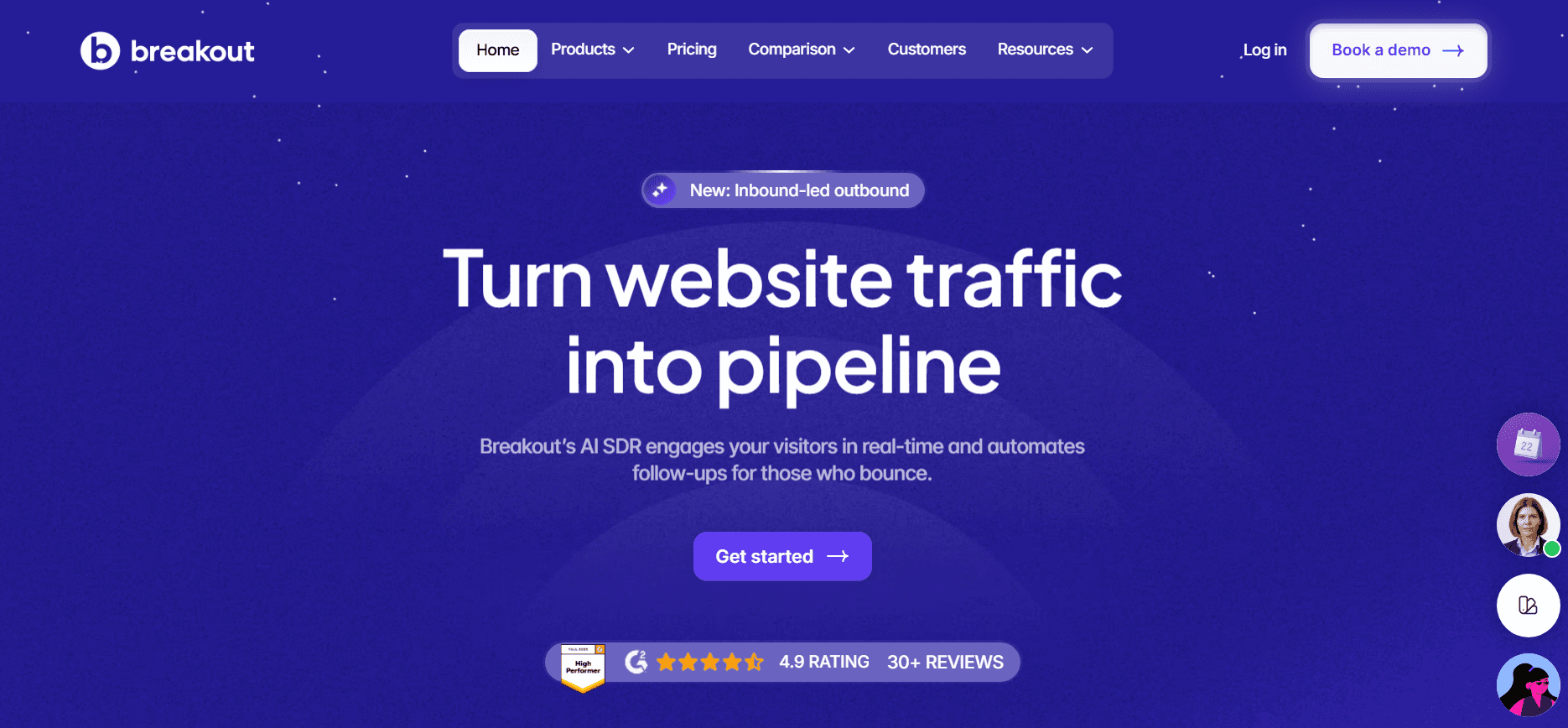
Breakout solves a different problem than Default.
Default helps you manage form submissions better. Breakout helps you avoid relying on forms at all.
Instead of waiting for a visitor to fill something out, Breakout identifies high-intent visitors in real time and starts a conversation.
The lead is created through interaction, not a form submission.
That shift matters when most buyers browse, evaluate, and leave without ever converting. Default automates what happens after capture. Breakout automates the moment of capture itself.
Autopilot Monitoring is the core capability.
Once a visitor is identified, the AI SDR qualifies intent through natural conversation, gathers the right context, routes the visitor correctly, and books meetings during the same session. There is no waiting, no handoff, and no loss of momentum.
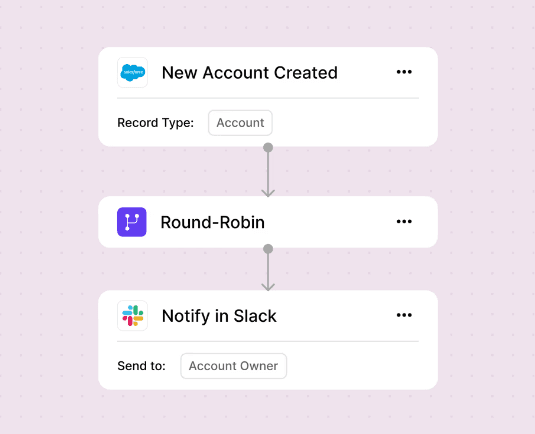
This approach works especially well for complex B2B journeys, where intent is gradual and rarely obvious upfront. Instead of forcing visitors into predefined fields, Breakout adapts in real time.
Why teams switch from Default to Breakout
Inbound traffic grows, but form conversions do not
The goal shifts from managing leads to creating meetings
Teams want conversations, not follow-up tasks
Speed to engagement becomes more important than workflow depth
Tradeoffs to consider
Teams that rely heavily on form design may pair it with other tools
Verdict
Choose Breakout if your website should do more than collect submissions and route tasks.
Breakout is built for teams that want inbound traffic to convert while intent is live.
Instead of waiting on forms and follow-ups, it engages visitors in real time, qualifies interest through conversation, and books meetings automatically.
If inbound is a core growth channel and speed matters, Breakout changes what your website can deliver.
See it in action
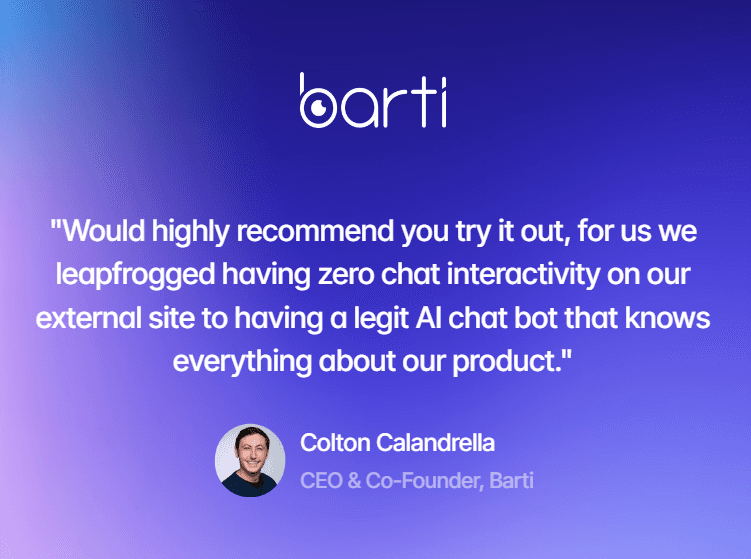
Barti turned its static site into a self-serve conversion engine with Breakout.
The AI agent drove 19% incremental pipeline, reduced bounce rate by 5.7%, and converted 9.8% of conversations into leads, without adding sales headcount.
2. Chili Piper (Best for Enterprise Scheduling and Routing)
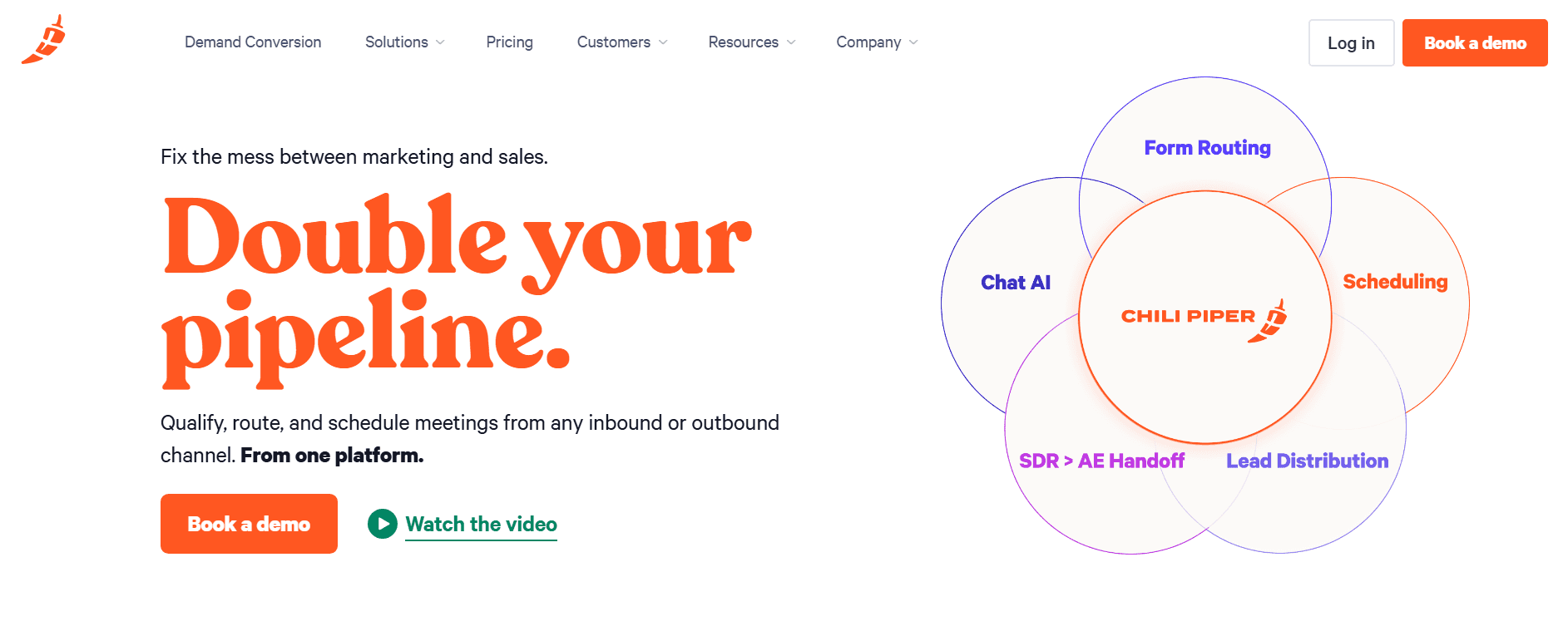
Chili Piper is built for teams that need precise control over scheduling and lead routing.
It handles complex round-robin logic, territory rules, and ownership models at scale. This makes it a strong choice for large sales teams with strict assignment requirements.
Best features
Advanced round-robin and territory-based routing
Scheduling across large, multi-rep teams
Salesforce-first architecture for ownership accuracy
Strong reliability for high inbound volume
Cons
No native form building or enrichment
Does not qualify leads or create demand
Setup can feel heavy for smaller teams
Verdict
Chili Piper replaces the scheduling and routing leg of Default.
Use it when scheduling accuracy matters more than conversion or engagement. It works best for enterprise teams that already generate demand elsewhere.
3. HubSpot Sales Hub (Best Ecosystem Alternative)
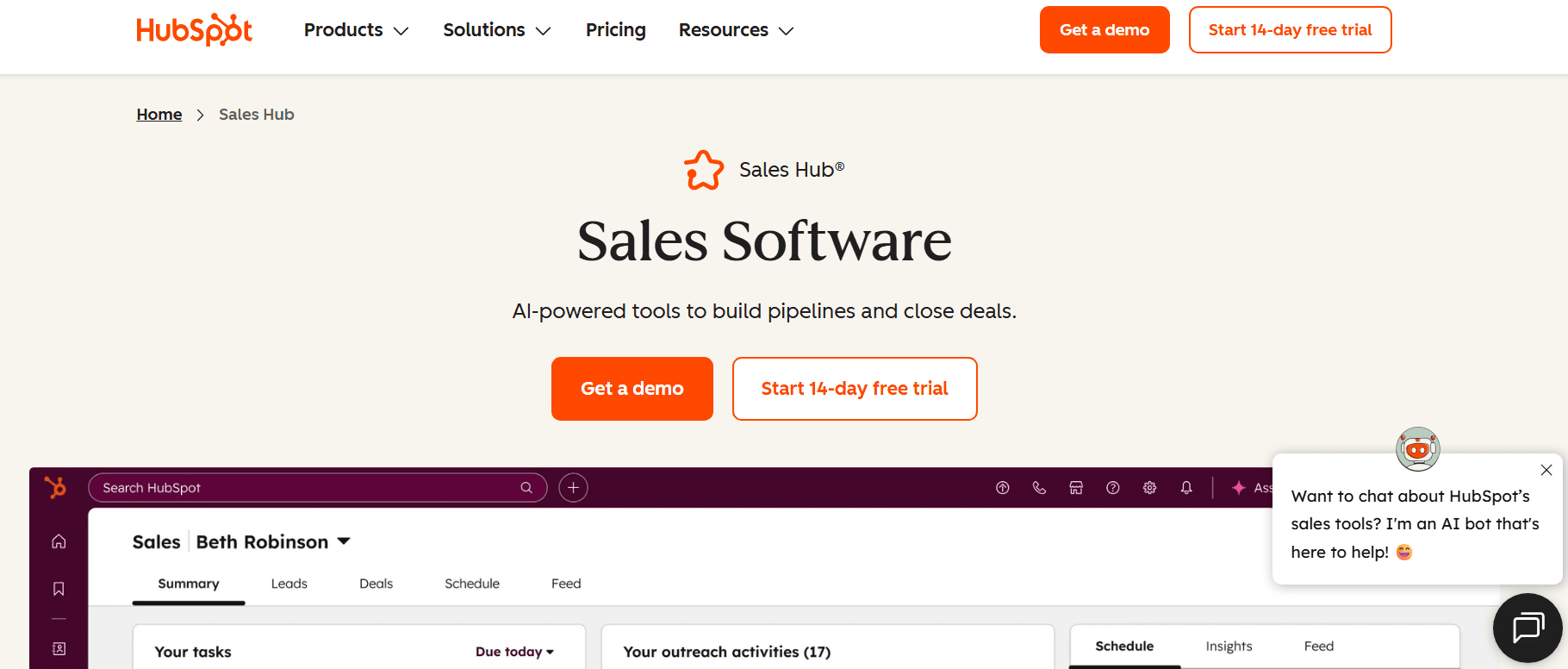
For many teams, Default acts as a wrapper around HubSpot.
If you already use HubSpot Enterprise, much of Default’s functionality can be recreated natively with meetings, forms, workflows, and integrations.
Best features
Native meetings, forms, and workflow automation
Deep CRM integration and reporting
Strong ecosystem of third-party tools
Centralized data across marketing and sales
Cons
Requires significant configuration
Ongoing maintenance as logic grows
Workflow-driven rather than intent-driven
Verdict
HubSpot replaces multiple legs of Default inside one ecosystem. Use it if standardization matters, and you prefer fewer tools. It is better for managing inbound than accelerating conversion.
4. RevenueHero (Best Value for Routing)
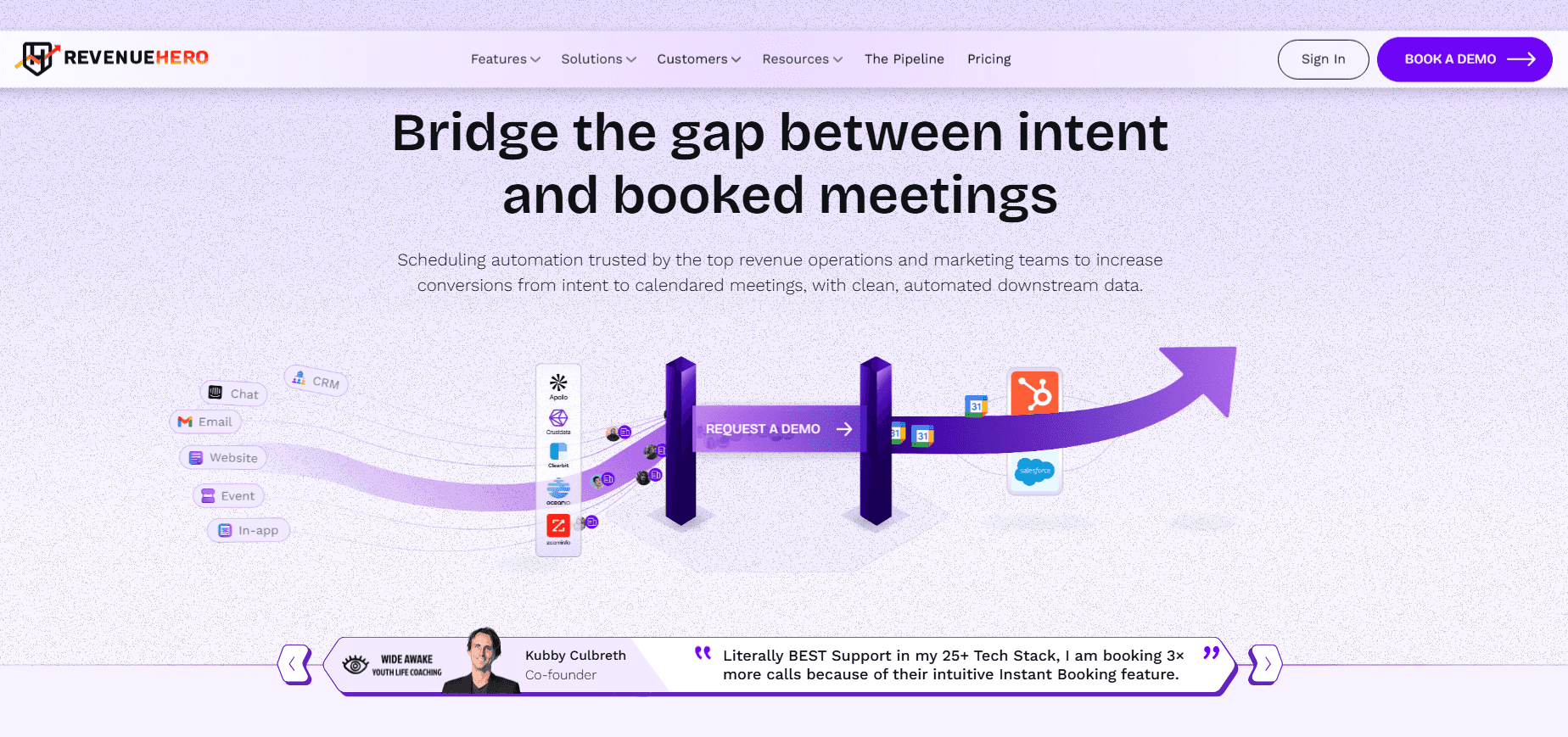
RevenueHero focuses on inbound scheduling and routing without heavy form logic. It is lighter, faster to deploy, and more affordable than Default for growth-stage teams.
Best features
Simple inbound routing and scheduling
Clean handoff to sales teams
Faster setup than enterprise tools
Cost-effective for early scaling
Cons
Limited enrichment capabilities
No built-in qualification or engagement
Depends on other tools for conversion
Verdict
RevenueHero replaces the routing leg of Default.
Use it when inbound logic is simple and budget matters. It works well when conversion happens outside the platform.
5. Clay (Best for Enrichment and Data Orchestration)
Default enriches form submissions. Clay enriches everything across your stack. It gives teams deep control over data sources, logic, and enrichment workflows.
Best features
Multi-source data enrichment
Highly flexible orchestration logic
Works across CRM, outbound, and inbound
Powerful for RevOps and data teams
Cons
Manual and operationally heavy
No engagement or qualification layer
Conversion depends on downstream tools
Verdict
Clay replaces the enrichment leg of Default.
Use it when data depth matters more than speed. It is ideal for teams optimizing data quality, not real-time conversion.
Comparison table: Workflow Automation vs AI SDR
Inbound tools differ mainly in how they create pipeline.
Some rely on predefined workflows after a form is submitted. Others engage visitors directly and decide actions in real time.
This table shows the practical difference.
Platform | How It Works | Best When You Need |
|---|---|---|
Default | Rule-based workflows triggered after form submission | Structured routing, scheduling, and enrichment in one tool |
Breakout | AI SDR engages visitors and qualifies intent in real time | Convert active website visitors into meetings without form submissions |
Chili Piper | Advanced scheduling and routing after lead capture | Enterprise-grade meeting routing at scale |
Hubspot | Native forms, meetings, and workflows inside CRM | Consolidation within a single ecosystem |
RevenueHero | Lightweight routing and scheduling | Cost-effective inbound routing for growth teams |
Clay | Data enrichment across systems | Deep enrichment beyond form submissions |
How to Choose the Right Default Alternative
Start with the outcome you care about, not the feature checklist.
If your goal is creating pipeline quickly, choose platforms that act while the intent is live. Tools like Breakout focus on real-time engagement and meeting creation, rather than post-submit workflows.
If your priority is reliable scheduling and routing at scale, Chili Piper or RevenueHero are better fits. They excel once a lead already exists.
If consolidation and ecosystem control matter more than speed, HubSpot Sales Hub can cover most inbound workflows natively, with more setup and maintenance.
If enrichment was the main reason you used Default, Clay offers deeper data orchestration across your stack, though conversion still happens elsewhere.
The decision comes down to speed. The faster you want inbound interest to turn into meetings, the more proactive your platform needs to be.
Final Thoughts: Inbound Should Convert, Not Just Route
Default does a solid job of organizing inbound workflows. It brings structure to routing, scheduling, and enrichment. That still matters. But structure alone does not create pipeline anymore.
In 2026, the advantage comes from acting while intent is live. Buyers expect relevance immediately.
Waiting for a form submission or delayed follow-up loses momentum. AI-first platforms are built for this reality.
Breakout is designed to convert demand, not just manage it.
Instead of routing leads after capture, Breakout engages visitors in real time, qualifies intent through conversation, and books meetings during the same session.
If your website already attracts the right accounts, it should do more than educate. It should create pipeline automatically.
See how Breakout turns live website traffic into meetings without adding headcount.
FAQs
1. What does Default actually replace in an inbound tech stack?
Default typically replaces point tools for forms, scheduling, and basic enrichment. It centralizes inbound workflows but still depends on form submissions to create leads.
2. Why are teams moving away from form-based inbound tools like Default?
Form-based conversion rates have stagnated while buyer behavior has changed. Many visitors research quietly and leave without submitting forms, even when intent is high.
3. What is the biggest difference between Default and AI-first platforms?
Default automates workflows after capture.
AI-first platforms act before capture by engaging visitors in real time and creating the lead through conversation.
4. Can Default alternatives replace multiple tools, or do they solve one problem?
It depends on the platform. Some replace only scheduling or routing.
Others, like AI-led inbound platforms, replace forms, qualifications, and handoffs altogether.
5. Is an AI SDR really better than traditional inbound routing?
For high-intent traffic, yes.
AI SDRs respond immediately, qualify contextually, and reduce speed-to-lead. Traditional routing still waits for submission and assignment.
6. Do I still need forms if I use an AI-led inbound platform?
Not always.
Many teams keep forms for low-intent traffic but rely on AI engagement for high-intent visitors who would otherwise stay anonymous.
7. Which Default alternative is best for creating pipeline, not just managing leads?
Platforms focused on real-time engagement perform better for pipeline creation.
Breakout is designed specifically to convert live website traffic into meetings.
8. How do I choose the right Default alternative for my team?
Start with outcomes.
If you need better routing, choose routing tools.
If you need better data, choose enrichment. If you need more meetings, choose platforms built to act while intent is live.