B2B teams are moving beyond basic chatbots and toward AI SDRs that can qualify, route, and follow up with buyers.
According to McKinsey, 92% of companies plan to increase AI investment over the next two years. This investment is driven by inbound performance pressure.
Static Q&A no longer matches how modern buyers evaluate software. Buyers arrive informed and expect real-time, intent-aware conversations.
AI Personalization tied to behavior and account context drives results, lifting conversion rates by up to 57%.
Revenue teams now need AI that delivers deeper customization at the conversation level, not just better answers.
This is where tools like Delphi AI come in.
Delphi AI transforms an individual’s content into a “digital mind.”
It uses videos, documents, and past knowledge to power an interactive Q&A experience. For creators and experts, this approach scales expertise and monetizes attention.
For B2B revenue teams, the bar is higher.
Inbound success depends on qualification, routing, CRM updates, and booked meetings that are directly tied to the pipeline.
This article breaks down where Delphi AI fits, why teams outgrow Q&A bots, and which alternatives are better suited for generating a measurable pipeline in 2026.
TL;DR
This is a quick summary of this article for teams comparing Delphi AI alternatives.
Q&A bots optimize engagement but stop short of conversion.
Revenue teams need AI that identifies buyers, understands intent, and acts inside GTM systems.
AI SDRs solve this gap by qualifying and booking meetings in real time.
Breakout stands out by combining conversation, identity resolution, and autonomous CRM action.
Tools like Drift and Intercom rely on humans to move deals forward.
Data platforms like Clearbit add context but require manual activation.
Lightweight tools like Crisp support chat, not pipeline.
When pipeline, speed to lead, and attribution matter, AI SDRs like Breakout outperform Q&A alternatives.
Why Certain Brands and Creators Use Delphi AI?
Before evaluating alternatives, it helps to understand what Delphi AI pioneered and who it serves.
AI voice cloning has gained mainstream adoption. Platforms like Meta AI use celebrity voices to drive engagement and usage.
Delphi AI takes a similar approach.
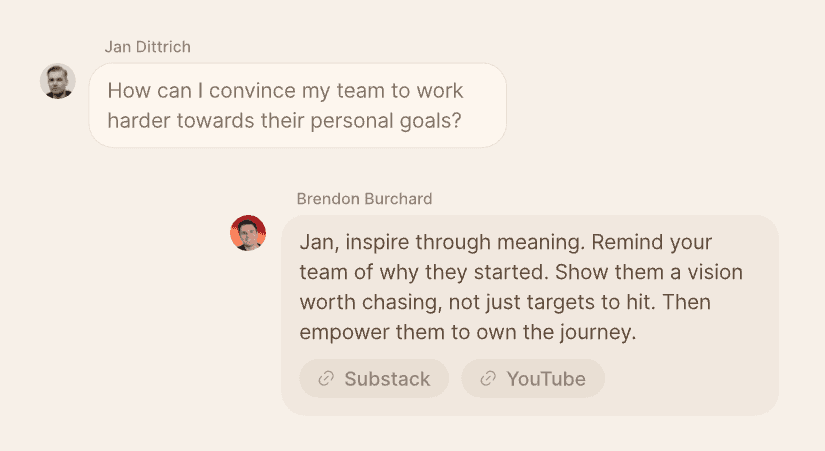
It lets individuals create a personal AI persona using their own voice and content. This persona answers questions through text or voice conversations.
For founder-led brands, this enables direct, personalized audience interaction. For creators, it becomes a monetization channel.
High-profile coaches, including Matthew Hussey, have reportedly generated meaningful revenue using this model.
This creates peak personalization for expert-led and creator-driven brands.
So, Why Do B2B Teams Look For Delphi AI Alternatives?
Delphi AI works well for creators and founder-led brands focused on monetization.
It delivers personalized conversations at scale. B2B revenue teams rarely see the same value. The AI market is crowded, but tools are built for different jobs.
Delphi AI is optimized for expertise access, not pipeline creation.
B2B teams need more than a digital expert. They need systems that convert demand into revenue. That gap becomes clear in execution.
Where Delphi AI falls short for B2B teams:
No native GTM action: Conversations do not trigger qualification, routing, or CRM updates.
Limited revenue workflows: No built-in subscription, billing, or pipeline attribution for sales-led growth.
Reactive by design: Responds to questions but does not identify buyers or act on intent.
The major GTM gap (reactive knowledge vs. proactive sales)
Delphi AI waits for visitors to ask the right questions.
It does not know who the buyer is, which account they belong to, or where they are in the funnel.
For B2B teams, that context is critical.
Revenue is driven by early intent signals, account-level visibility, and speed to action.
Without identity, routing, and CRM orchestration, conversations remain disconnected from the pipeline.
This forces teams to rely on forms, manual follow-up, or separate tools to move deals forward.
The result is fragmented workflows and missed revenue opportunities.
This is where Breakout operates differently
Breakout is an Inbound SDR, powered by AI.
It identifies visitors in real time, qualifies intent, and books meetings automatically. All actions happen directly inside CRM and GTM systems.
Delphi AI answers questions. Breakout identifies buyers, qualifies intent, and takes action inside GTM workflows.
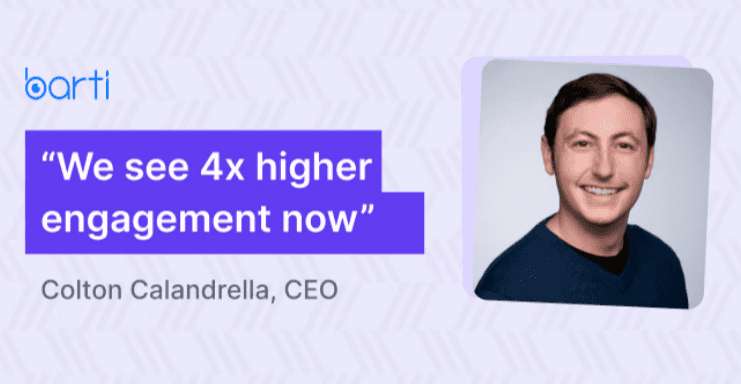
How Breakout helped Barti
With Breakout, Barti was able to convert anonymous website traffic into qualified meetings without adding SDR headcount.
The AI SDR identified high-intent visitors, enriched account data, and booked meetings directly into their sales calendar.
The result was faster speed to lead, cleaner pipeline attribution, and measurable inbound-driven revenue.
Top 5 Delphi AI Competitors By Function: Who Solves Your GTM Problem?
Not all AI tools are built to drive revenue. Some answer questions. Some support customers. Very few execute GTM.
Here’s how the leading options compare by function, action-taking, and pipeline impact.
1. Breakout - AI SDR built for pipeline
Breakout is an all-in-one AI SDR platform designed for B2B revenue teams that want to scale inbound without adding headcount.
It does not stop at chat.
Breakout identifies anonymous visitors, understands intent, qualifies buyers, and books meetings autonomously.
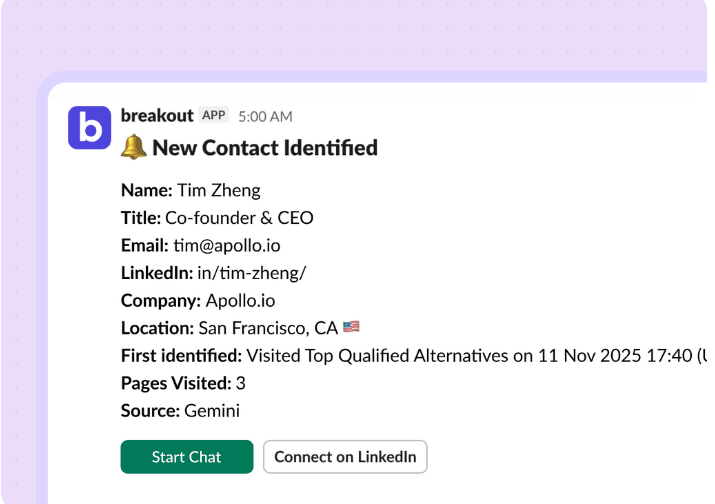
All actions happen directly inside your GTM stack.
Core capabilities
Identifies companies and visitors instantly, without form fills
AI SDR asks, adapts, and qualifies based on buying signals
Creates leads, updates CRM fields, and books meetings automatically
Salesforce, HubSpot, Slack, Outreach, Salesloft
AI works continuously with optional human oversight
Why it matters
Speed to lead and orchestration drive conversion.
Breakout replaces repetitive SDR workflows with autonomous execution.
Verdict
Breakout is the top choice for B2B teams because it identifies anonymous visitors and qualifies intent in real time.
It acts directly inside CRM and GTM systems to create pipelines automatically.
Forms are unnecessary. Human SDR dependency is removed. Routing happens without manual effort.
2. Drift
Drift helped define the enterprise chat category. But its architecture reflects an earlier era of GTM.
What it does well
High-quality chat experiences
Enterprise-grade routing and playbooks
Strong Slack alerts and notifications
Where teams hit limits
Requires complex logic and ongoing maintenance
SDRs still handle qualification and follow-up
No AI-driven action-taking inside CRM
High licensing costs plus headcount add up quickly
Verdict
Drift improves chat experiences and routing. Use it if you have heavy SDR coverage and rule-based workflows. It surfaces interest but does not autonomously generate a pipeline.
3. Intercom (Fin AI)
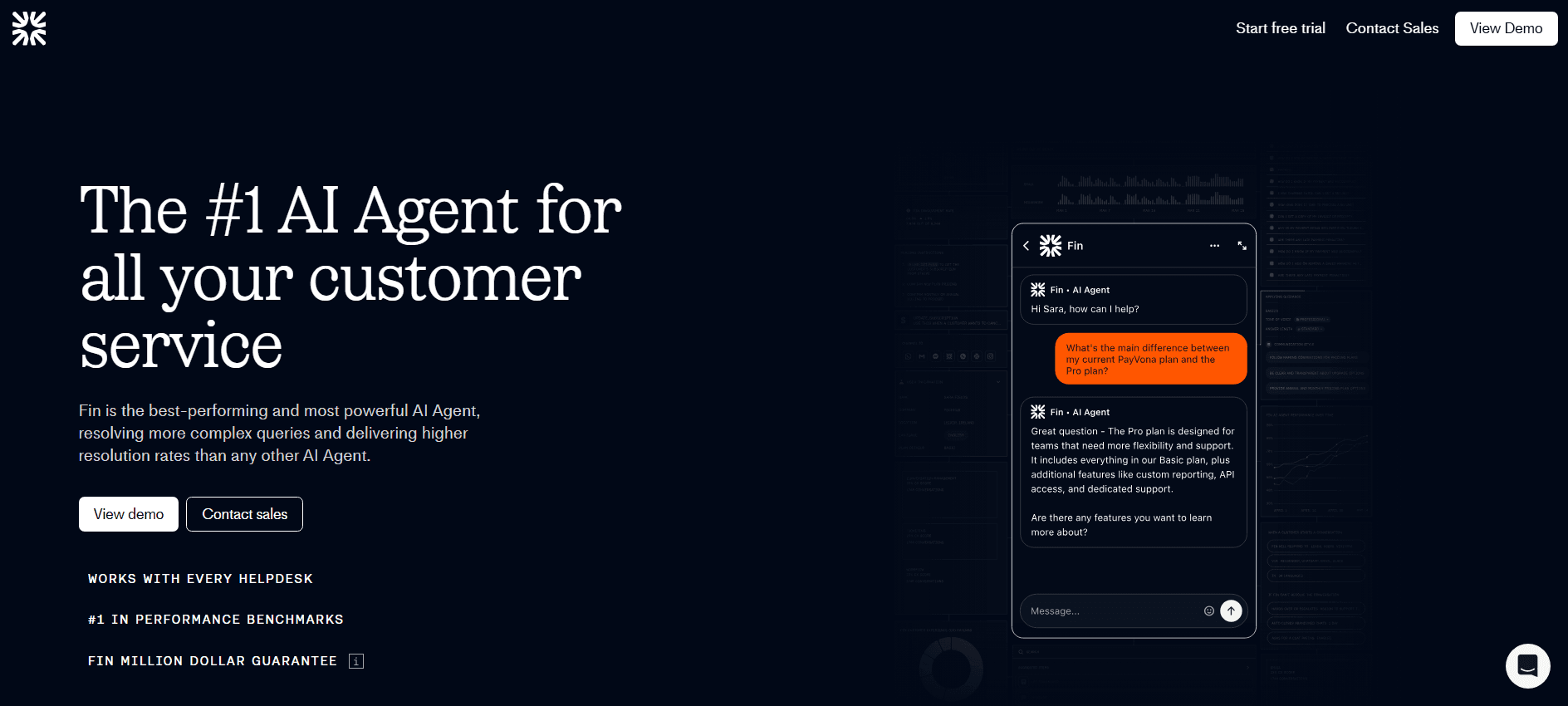
Intercom’s Fin AI is optimized for customer support and onboarding. Sales use cases are secondary.
What it does well
Strong resolution rates for support queries
Unified inbox for tickets, chat, and help content
Reliable internal knowledge search
Where it falls short for GTM
Not designed for sales qualification or intent scoring
No meeting booking or pipeline attribution
Reacts to issues rather than driving conversion
Verdict
Intercom is best viewed as a support engine, not a sales engine. It fits companies focused on reducing ticket volume and onboarding friction rather than driving inbound revenue.
4. HubSpot Chat
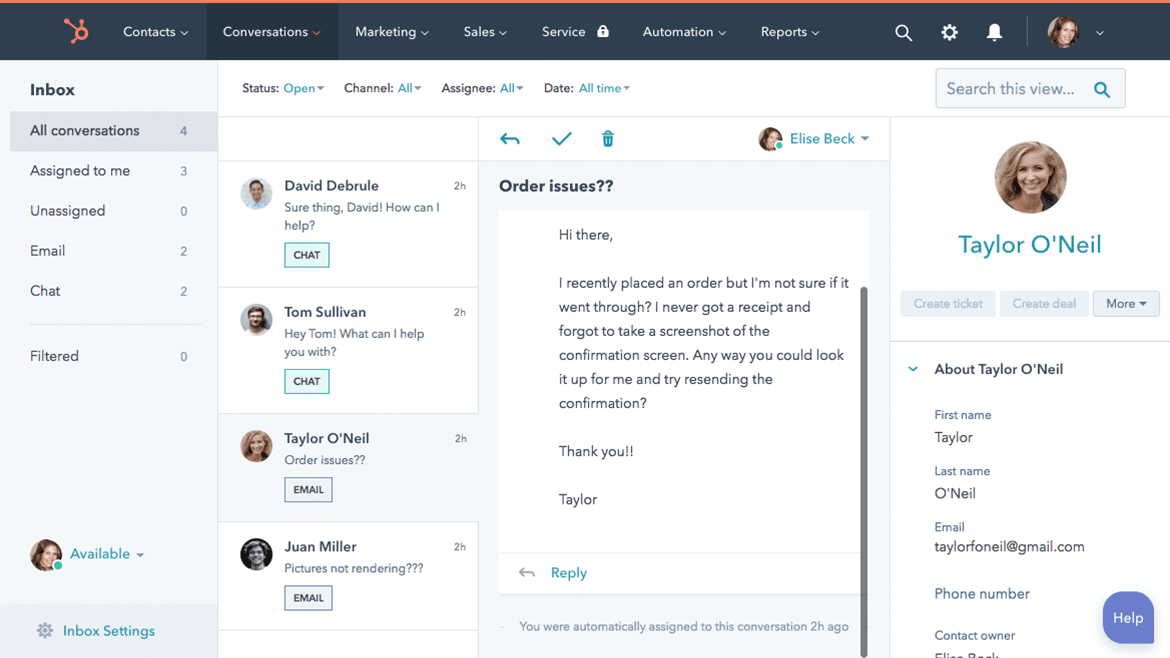
HubSpot Chat leverages your existing CRM data to automate qualification and support conversations. It scales process, not personality.
What it does well
Deep CRM Integration: Uses existing contact data to personalize greetings and route chats instantly.
Seamless Human Handoff: Perfectly transitions from automated qualification to booking meetings or alerting live agents.
Workflow Triggering: Conversations directly trigger backend automations (e.g., deal creation, ticket logging).
Where execution breaks down
It’s a Bot, Not a Clone: It follows decision trees or knowledge base articles; it cannot capture a founder’s unique “voice” or nuance like Delphi.
Requires Structured Maintenance: You must manually update knowledge bases and logic flows; it doesn’t “learn” simply by consuming your content.
Transactional Feel: Interactions feel like support tickets or sales routings, not genuine 1:1 consulting sessions.
Verdict
HubSpot Chat is powerful for scaling a sales team, but fails at cloning a thought leader. It works well for RevOps teams focused on efficiency and routing, but falls short for creators looking to offer an “AI twin” experience.
5. Crisp
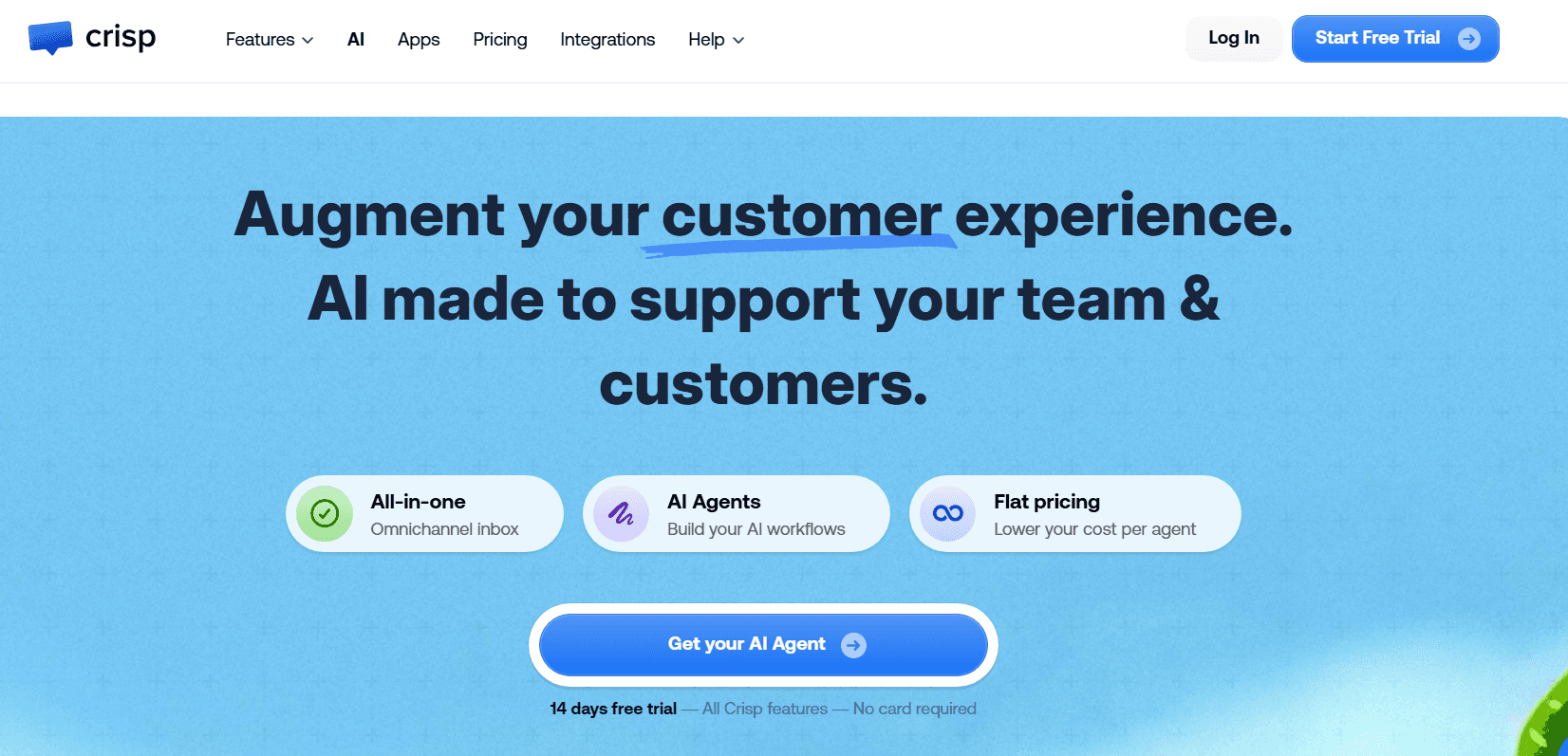
Crisp focuses on simplicity and price. It’s popular with small teams needing basic communication.
What it does well
Unified inbox for chat, email, and messaging
Simple setup and low cost
Lightweight collaboration features
Where it falls short
AI assists agents but does not act autonomously
Weak CRM and sales automation depth
Conversations rarely translate into measurable revenue
Verdict
Crisp is a practical choice for small teams that want simple communication at low cost. It is not built for advanced qualification, automation, or pipeline ownership.
Head-to-Head Comparison Table of Delphi AI Alternatives
This comparison highlights a simple but important distinction.
Most tools in this category optimize for engagement, support, or data visibility. Very few are built to own revenue outcomes.
The table below breaks each platform down by who it is designed for, what the AI actually does, and whether it can move beyond conversation into execution.
Platform | Primary User | Core AI Function | Identity & Intent | Autonomous GTM Action | Pipeline Attribution |
|---|---|---|---|---|---|
Breakout | B2B Revenue Teams | AI SDR for inbound qualification | Real-time visitor and company identification | Yes. CRM updates, routing, and booking | Native and measurable |
Delphi AI | Creators, founders | Knowledge cloning and Q&A | No buyer or account identity | No | Not designed for a pipeline |
Drift | Enterprise sales | Conversational chat | Partial via rules | Limited. Human-led | IndirectIndirect |
Intercom ( Fin AI) | Support teams | Ticket resolution and onboarding | User-level only | No | Support-focused |
Clearbit (HubSpot) | RevOps, Marketing | Data enrichment | Firmographic only | No | Requires manual workflows |
Crisp | SMBs | Unified inbox | None | No | Not measurable |
Pay close attention to the last two columns.
Identity and intent determine whether a tool understands who is on your site and why they are there.
Autonomous GTM action determines whether the system can act on that information without human intervention.
Use this table to evaluate not which tool sounds more advanced, but which one is designed to deliver the outcome you care about most.
Why Breakout is the best Delphi AI alternative for B2B teams
Breakout is not an incremental chatbot improvement. It redefines how inbound demand is handled.
Most tools focus on conversation quality. Breakout focuses on conversion while the conversation is happening.
The AI engages visitors naturally, adapting tone and depth based on what buyers are exploring on the site. It asks questions, but better ones, using behavioral signals to guide the interaction.
Behind the interface, Breakout is constantly resolving identity.
It connects sessions to companies and accounts in real time, giving the AI SDR context before qualification begins.
This allows conversations to feel relevant without forcing visitors through forms or repetitive discovery questions.
Once intent is clear, Breakout shifts from dialogue to execution.
The AI updates CRM records, enriches account data, routes leads, and books meetings automatically.
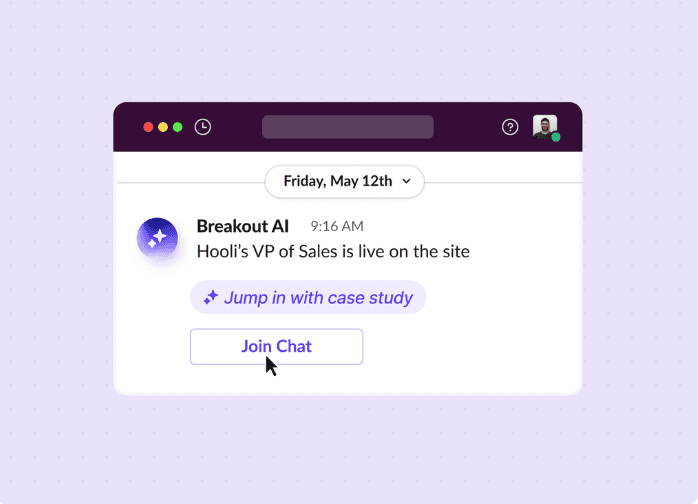
Sales teams receive fully qualified opportunities, not transcripts or alerts.
Every step is logged and attributed, so pipeline impact is visible and measurable.
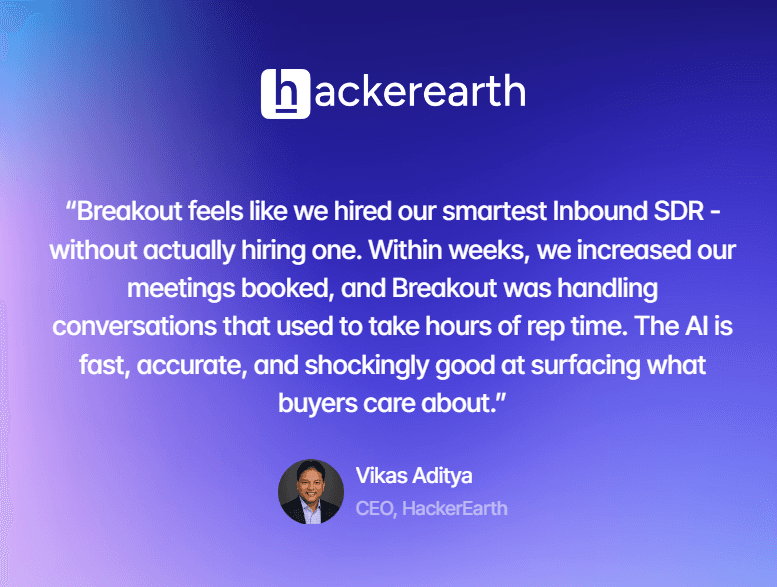
How Breakout helped HackerEarth
HackerEarth used Breakout to intercept high-intent traffic at critical moments in the buyer journey.
Instead of relying on delayed follow-ups, the AI SDR qualified prospects on-site and booked meetings immediately.
Sales teams entered conversations with context, intent, and account intelligence already in place.
The result was faster engagement, cleaner handoffs, and a stronger inbound pipeline without increasing headcount.
Your Final Choice Depends on Your Goal
Choosing a Delphi AI alternative is less about features and more about outcomes.
If your goal is monetizing expertise, Delphi AI and similar Q&A tools make sense. They excel at packaging knowledge into personalized conversations. They are built for creators, coaches, and founder-led brands.
If your goal is to generate a B2B pipeline, the requirements change. Revenue teams need AI that does more than respond. They need systems that identify buyers, understand intent, and take action immediately.
That is the line between Q&A bots and AI SDRs.
Q&A tools optimize engagement.
AI SDRs optimize conversion.
Breakout sits firmly in the second category. It treats inbound traffic as a revenue channel, not a content experience. Every conversation feeds qualification, routing, CRM updates, and booked meetings.
That is why Breakout becomes the natural upgrade when teams outgrow reactive chatbots.
If you are evaluating Delphi AI alternatives because pipeline visibility, speed to lead, or conversion rates matter, the answer is not a better Q&A bot.
It is an AI SDR built for GTM execution. See an AI SDR qualify and book meetings in real time.
FAQs
1. What are the best Delphi AI alternatives for B2B teams in 2026?
The best Delphi AI alternatives for B2B teams are AI SDR platforms like Breakout that focus on qualification, routing, and pipeline creation rather than Q&A-based knowledge delivery.
2. Is Delphi AI good for B2B sales teams?
Delphi AI is better suited for creators and founder-led brands. Most B2B sales teams outgrow it due to limited GTM automation and pipeline attribution.
3. How is Breakout different from Delphi AI?
Delphi AI scales expert knowledge through Q&A. Breakout scales revenue by identifying buyers, qualifying intent, and acting inside CRM and GTM systems.
4. Are AI cloning tools effective for generating B2B pipelines?
AI cloning tools work well for content monetization. They are not designed to identify buyers, qualify intent, or create a measurable B2B pipeline.
5. What should B2B teams look for instead of a Q&A bot?
B2B teams should look for AI SDR platforms that support visitor identification, intent detection, CRM updates, and automated meeting booking.
6. Can Delphi AI replace SDRs?
No. Delphi AI answers questions but does not perform SDR tasks like qualification, routing, or booking meetings tied to pipeline.
7. How does AI SDR software improve inbound conversion rates?
AI SDRs improve conversion by reacting instantly, personalizing conversations using intent data, and removing delays caused by forms and manual follow-up.
8. What is the difference between expert monetization platforms and GTM automation tools?
Expert monetization platforms sell access to knowledge. GTM automation tools convert inbound demand into qualified leads and booked meetings.
9. Does Delphi AI pricing make sense for revenue teams?
Delphi AI pricing is based on content and access. Revenue teams often find limited ROI without native pipeline attribution or GTM action-taking.
10. What makes Breakout a scalable digital mind for B2B revenue?
Breakout acts as a scalable digital mind for revenue teams by continuously qualifying buyers, updating CRM records, and booking meetings autonomously.
11. Which tools combine AI chat with CRM automation?
Very few tools do this natively. Breakout combines AI chat, visitor identification, qualification, and CRM execution in one platform.
12. When should a company switch from Delphi AI to an AI SDR?
Teams should switch when inbound conversations are not converting into pipeline, meetings, or measurable revenue outcomes.