All Blogs
A quick look at outbound AI SDR platforms worth knowing about.

Evan Marshall
Senior Growth AI Strategist
Published On
TL; DR - Top Outbound AI SDRs
Outbound AI SDR tools promise more meetings with less effort.
But most still rely on cold lists, delayed signals, and volume-based outreach, which limits conversion.
The biggest shift in 2026 is toward intent-driven engagement. Tools that act on real-time buyer behavior consistently outperform those that automate cold outreach at scale.
This table breaks down the top outbound AI SDRs, what they do best, and where they fall short, so you can quickly identify which approach fits your growth strategy.
Tool | Core approach | What it does best | Limitation | Best for |
Breakout | Inbound-led outbound | Converts real-time intent into meetings | Not built for pure cold outbound | Teams with inbound traffic |
11x.ai | Fully autonomous outbound | End-to-end SDR automation at scale | Relies on cold data and lists | Enterprise outbound teams |
Artisan | Personalized outbound | Strong research + multi-channel outreach | Needs setup and iteration | Teams prioritizing personalization |
AiSDR | Structured outbound automation | Easy setup with multi-channel execution | Limited depth vs enterprise tools | Mid-market teams |
Salesforge | Email infrastructure-first | Deliverability and inbox placement | Limited beyond email | Teams struggling with email performance |
Amplemarket | Signal + outbound hybrid | Combines intent signals with outbound workflows | Not fully autonomous | Teams wanting control + signals |
Reply.io | AI-assisted engagement | Reliable sequencing with AI support | Not fully autonomous | Teams upgrading from manual outbound |
Apollo.io | Data + outbound platform | Large database + integrated outreach | Data quality can vary | Teams needing scale and convenience |
Regie.ai | Messaging-first AI | High-quality outbound copy and sequences | Not a full SDR replacement | Teams focused on messaging quality |
Landbase | Multi-agent GTM system | Broad automation across funnel | Early-stage product | Teams experimenting with AI GTM |
Outbound sales used to follow a predictable playbook.
Build a prospect list, research each account, and send hundreds of cold emails, hoping a few would convert into meetings.
That approach still exists. But that's no longer how modern sales teams operate.
Cold outreach at scale is becoming less effective.
This data makes that clear. Only about 5% of cold emails get a reply, which means roughly 95% fail to generate any engagement.
Teams are shifting toward intent-driven engagement, where outreach is based on real signals, not assumptions. When you understand what a prospect is already interested in, your message feels timely and relevant, not forced or transactional.
Many platforms still focus on outbound automation. They help teams find prospects, generate personalized messages, and run campaigns at scale. But without intent, even well-crafted outreach struggles to convert.
Others take a different approach.
Platforms like Breakout focus on converting existing demand and enabling warm outbound. They identify anonymous website visitors, engage them in real time, and qualify interest instantly. High-intent prospects are then guided toward booking a meeting.
If visitors leave without taking the next step, Breakout continues the conversation through follow-ups.
Its Inbound-led Outbound feature allows teams to re-engage those visitors automatically and move them back toward conversion.
Early-stage companies often rely heavily on outbound development to create pipeline. As traffic grows, tools that capture and convert inbound intent become far more effective.
If you're evaluating outbound AI SDR platforms in 2026, this guide covers the tools worth considering and what each one does best.
The Top Ten Outbound AI SDRs to Choose in 2026
Outbound AI SDR tools promise the same outcome —> more meetings without adding headcount.
In reality, they take very different approaches.
Some run high-volume cold outbound. Others rely on signals to improve timing.
A few are starting to rethink outbound entirely.
This list ranks the top platforms based on who actually drives qualified meetings consistently.
1. Breakout (Inbound-Led Outbound)
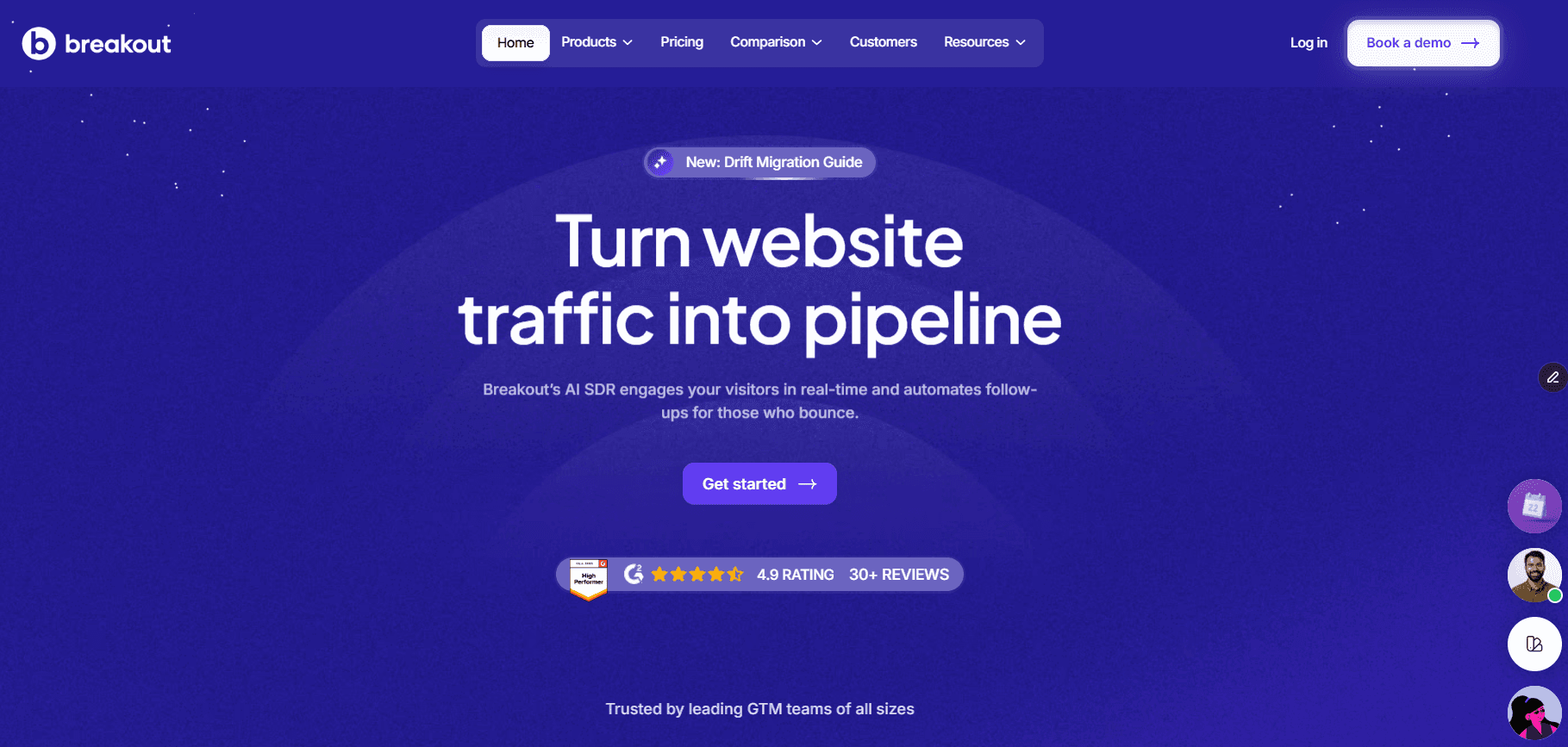
Breakout is not a traditional outbound AI SDR.
It is an Inbound-first AI SDR that extends into outbound automatically.
It identifies anonymous website visitors, qualifies them in real time, and triggers outbound sequences based on live intent. Outreach happens when the prospect is already active, not days later.
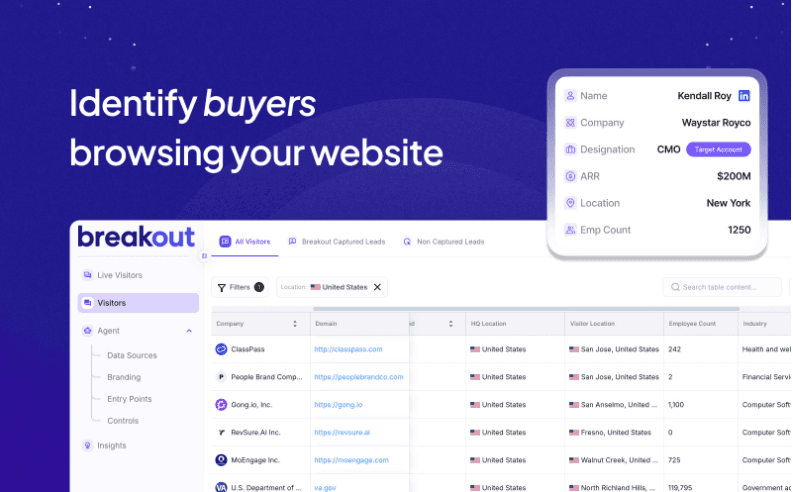
This changes the starting point of outbound from cold lists to real behavior.
Why we rank Breakout #1 (even though it’s not purely outbound)
Because outbound is evolving.
Cold outreach without “real buyer intent” reduces conversion and risks damaging pipeline quality.
Traditional outbound tools (like 11x.ai or Artisan) still rely on:
static lead lists
delayed intent signals
guesswork personalization
Breakout flips this:
Starts with real-time intent (website activity)
Then executes outbound with perfect timing
The result?
Higher reply rates, better conversations, faster meetings
In 2026, the question isn’t:
“Who sends the most outbound?”
It’s:
“Who sends outbound at the right moment?”
Breakout wins that.
What users like:
Converts existing inbound traffic into meetings
Outreach timing aligns with real buyer intent
Personalization is grounded in actual behavior, not scraped data
Reduces reliance on high-volume cold outbound
Cons
Not built for pure list-based outbound prospecting
Less suited for teams that want manual outbound control
Verdict
Best for teams that already generate inbound traffic but struggle to convert it into meetings.
It works especially well for:
High-traffic websites with low conversion rates
Teams investing in paid acquisition or content but not capturing full value
Companies looking to increase pipeline without scaling SDR headcount
Businesses where buyers need education before booking a demo
Instead of increasing outbound volume, Breakout improves conversion at the point of intent.
Not ideal for teams running purely cold outbound with no inbound motion.
2. 11x.ai (Alice)
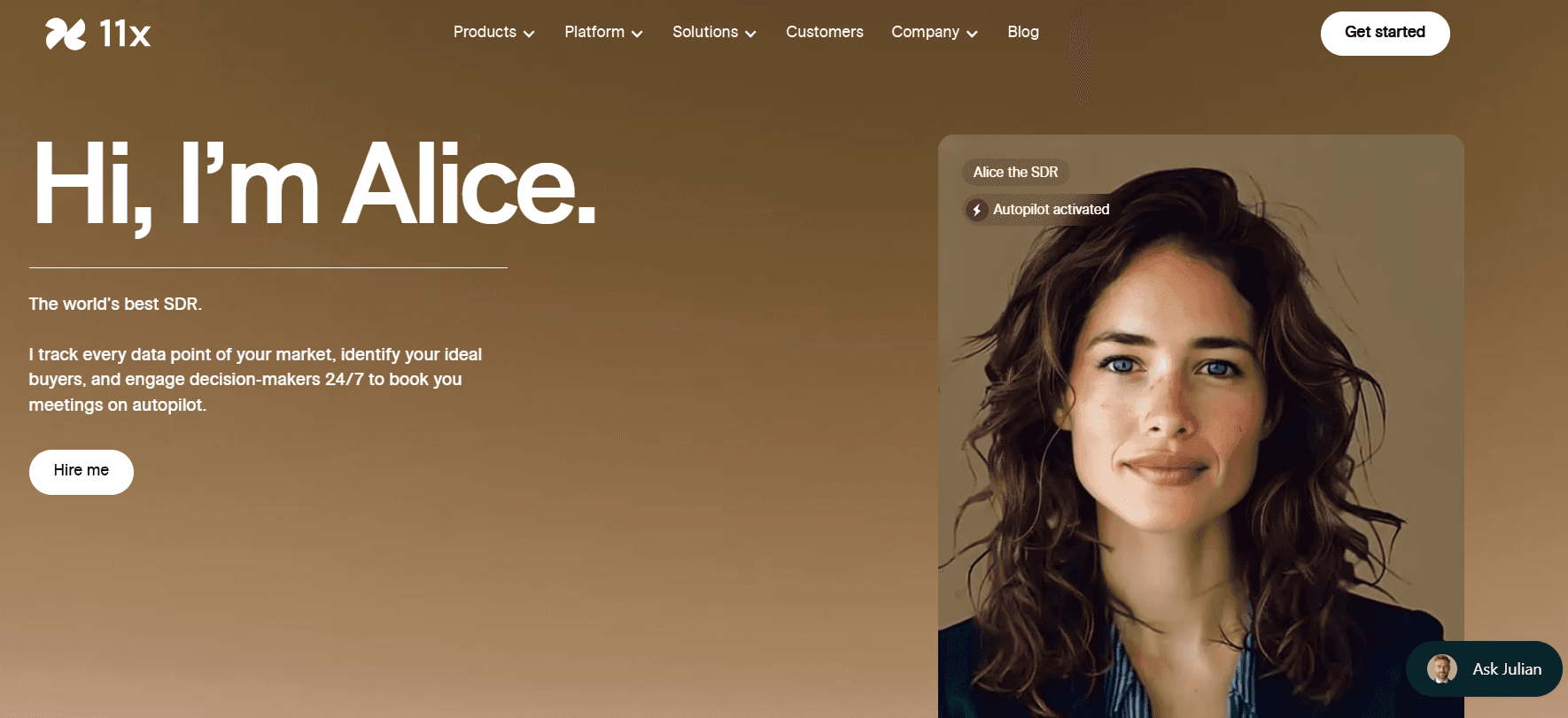
11x.ai offers a fully autonomous outbound AI SDR designed to replace human SDR workflows. It handles prospecting, outreach, follow-ups, and booking across channels.
What users like:
High level of automation across the outbound funnel
Strong positioning as an SDR replacement
Suitable for enterprise teams
What users don’t like:
Expensive relative to alternatives
Still relies on cold data and list quality
Personalization quality depends on inputs
Verdict
Best for automating outbound end to end and reducing SDR headcount. Works well with strong data and defined ICP. Falls short when intent is weak, as it scales cold outreach.
3. Artisan (Ava)
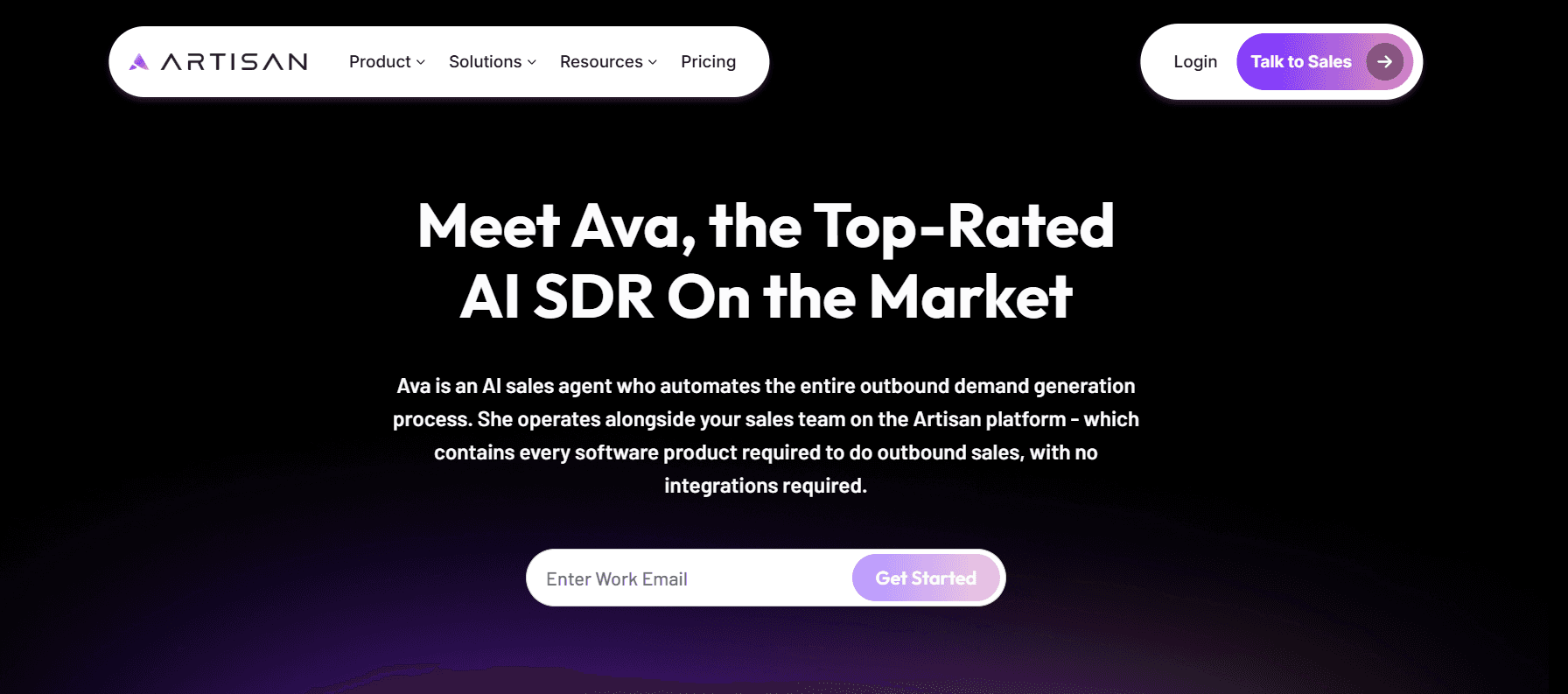
Artisan provides an all-in-one outbound AI SDR with built-in data, sequencing, and personalization workflows.
What users like:
Strong personalization system
Multi-channel outreach
Clean product experience
What users don’t like
Still dependent on outbound lists
Requires setup and iteration for best results
Verdict
Best for teams that want structured outbound with stronger personalization than traditional tools.
4. AiSDR
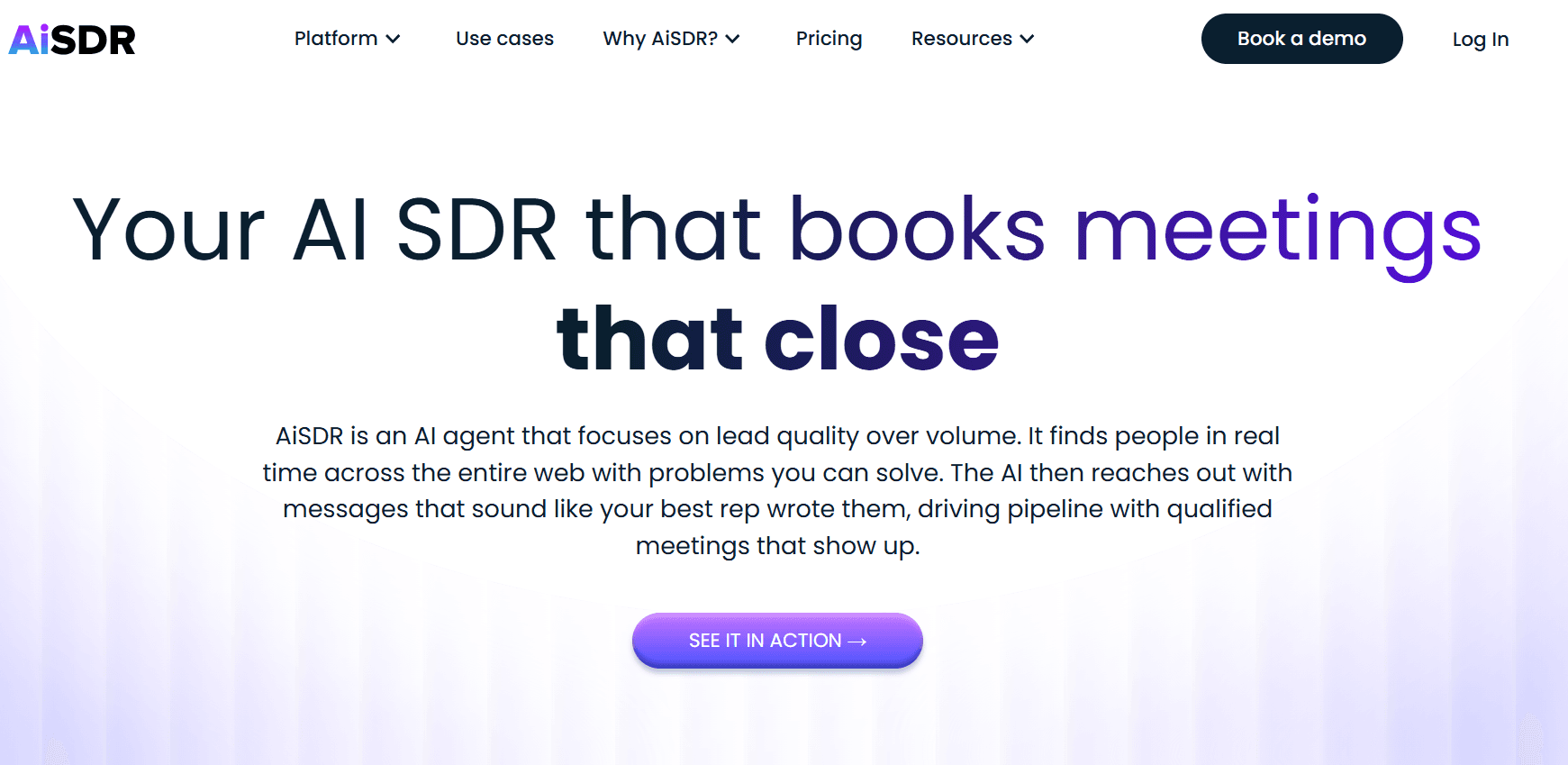
AiSDR focuses on simplifying outbound AI SDR adoption with a multi-channel approach and faster setup.
What users like:
Easy onboarding
Multi-channel execution
Clear pricing model
What users don’t like
Less advanced than category leaders
Limited depth in customization
Verdict
Ideal for teams that want structured outbound with better personalization. Improves campaign quality but still depends on outbound lists. Best when execution, not intent, is the bottleneck.
5. Salesforge (Agent Frank)
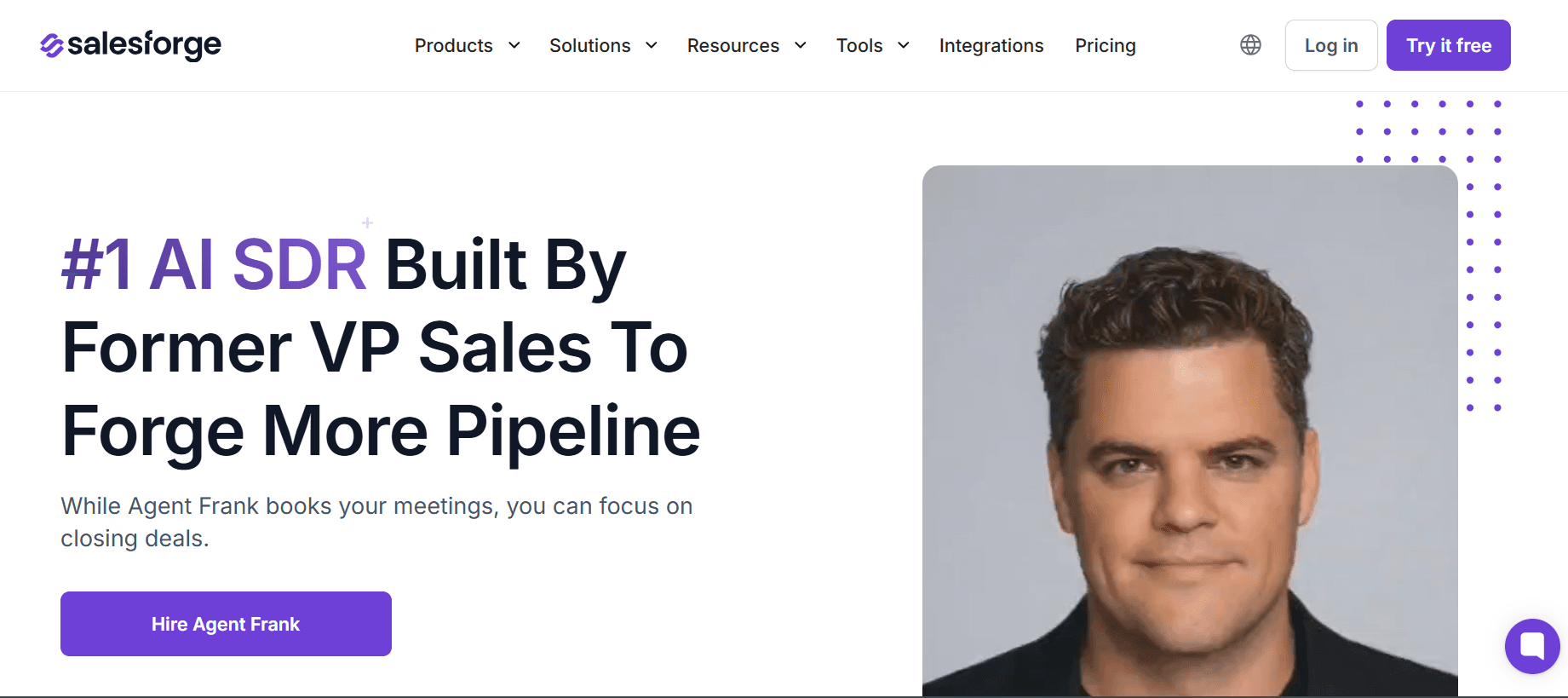
Salesforge combines outbound AI automation with strong email infrastructure and deliverability tools.
What users like:
Reliable email deliverability
Built-in warmup and domain rotation
Stable outbound execution
What users don’t like
Primarily email-focused
Less autonomous compared to agent-first tools
Verdict
Best for solving deliverability issues and ensuring emails land in inboxes. Strong infrastructure layer for outbound. Does not directly improve engagement or conversion.
6. Amplemarket
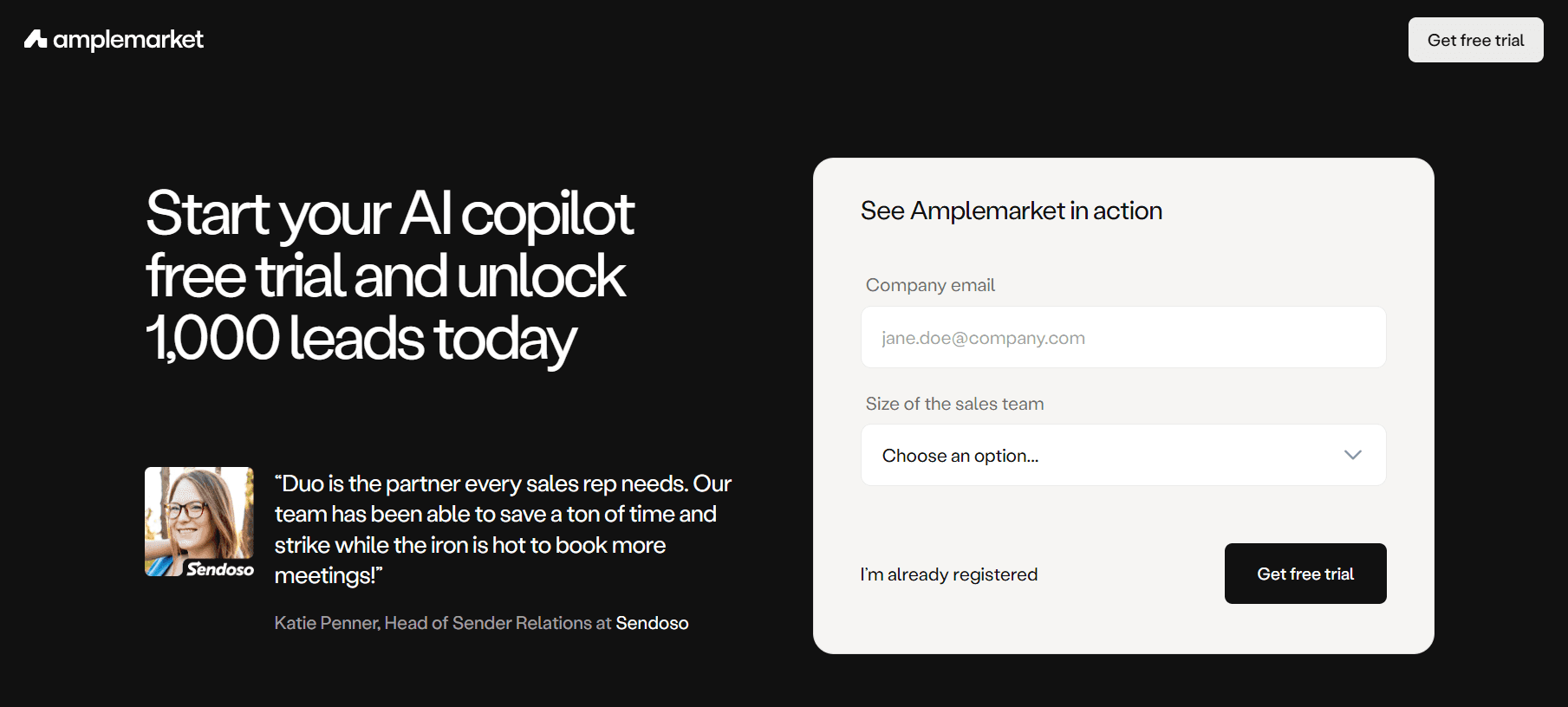
Amplemarket uses multiple AI agents for research, signal detection, and sequencing within outbound workflows.
What users like:
Strong signal-based targeting
Flexible outbound workflows
Good balance of data and automation
What users don’t like:
Not fully autonomous
Requires active management
Verdict
Balances signals, data, and automation while keeping teams in control. Useful for hands-on outbound strategies. Not fully autonomous, but more flexible.
7. Reply.io (Jason AI)
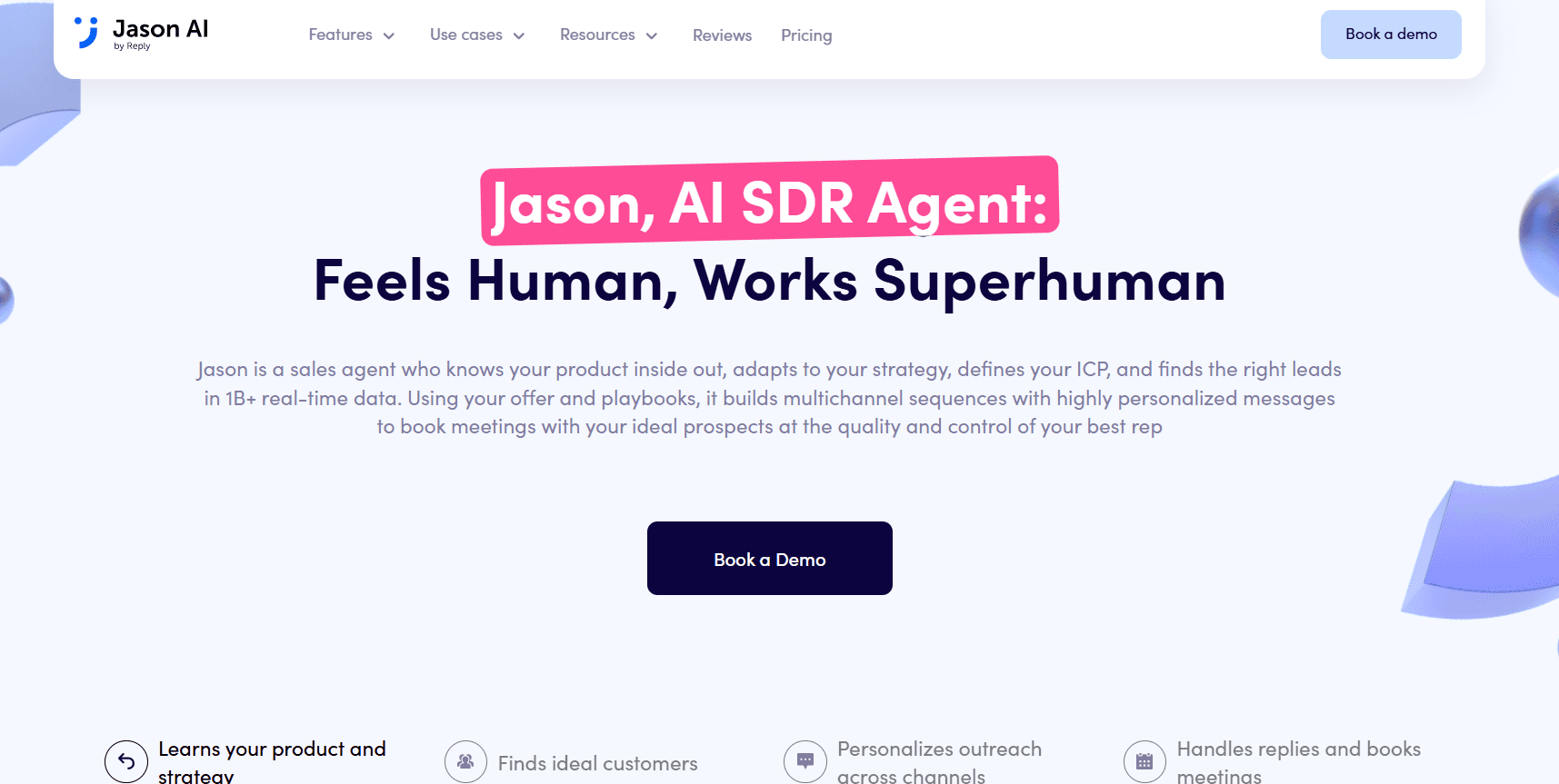
Reply.io is a sales engagement platform with AI layered into outbound workflows.
What users like:
Mature and reliable platform
Multi-channel capabilities
Familiar workflow for sales teams
What users don’t like:
Not a true autonomous SDR
Requires manual setup and optimization
Verdict
Reliable upgrade from manual outbound with AI assistance. Familiar workflows make adoption easy. Not designed to replace SDRs or run fully autonomous outbound.
8. Apollo.io
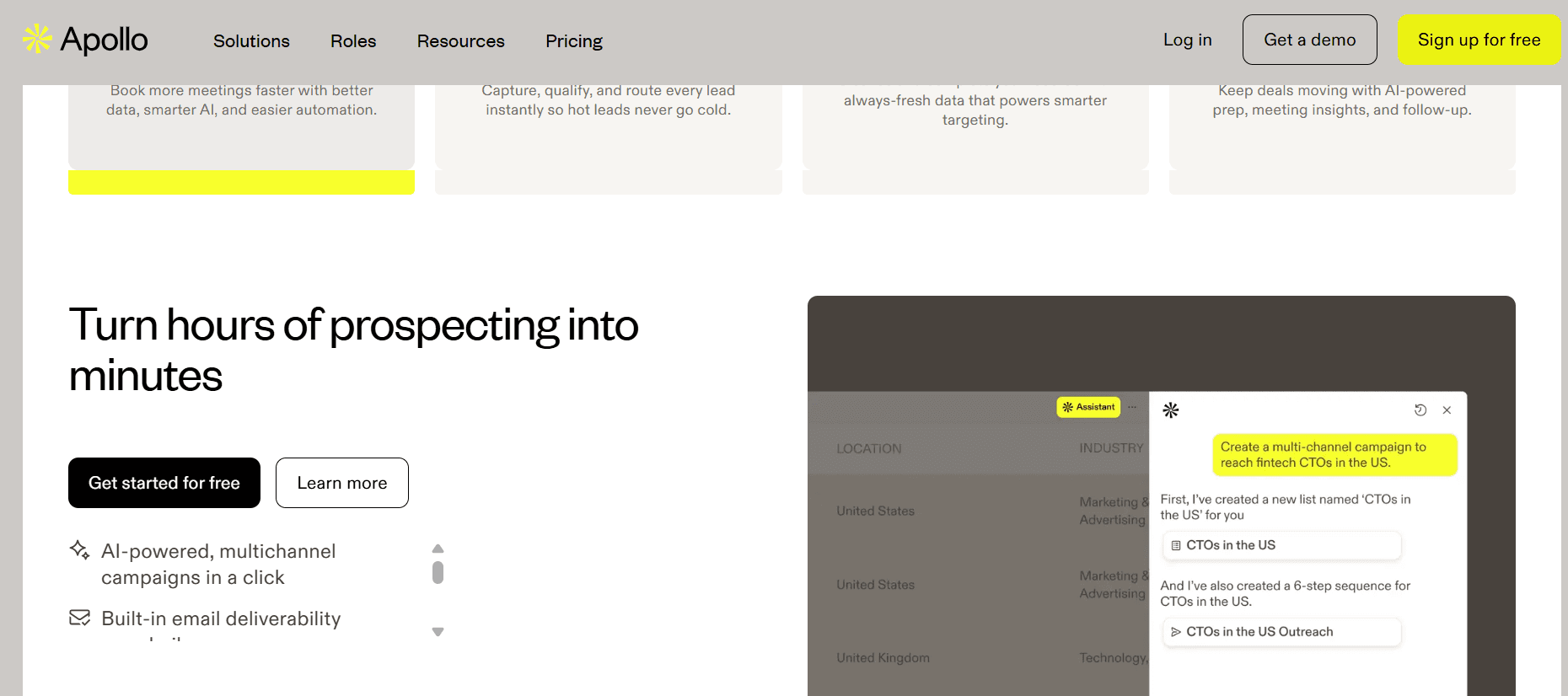
Apollo combines a large contact database with outbound sequencing and AI-assisted targeting.
What users like:
Extensive contact database
All-in-one outbound stack
Competitive pricing
What users don’t like:
Data accuracy can vary
AI capabilities are still evolving
Verdict
Best for combining lead data and outbound in one platform. Strong for scale and convenience. The tradeoff is inconsistent data quality and weaker intent signals.
9. Regie.ai
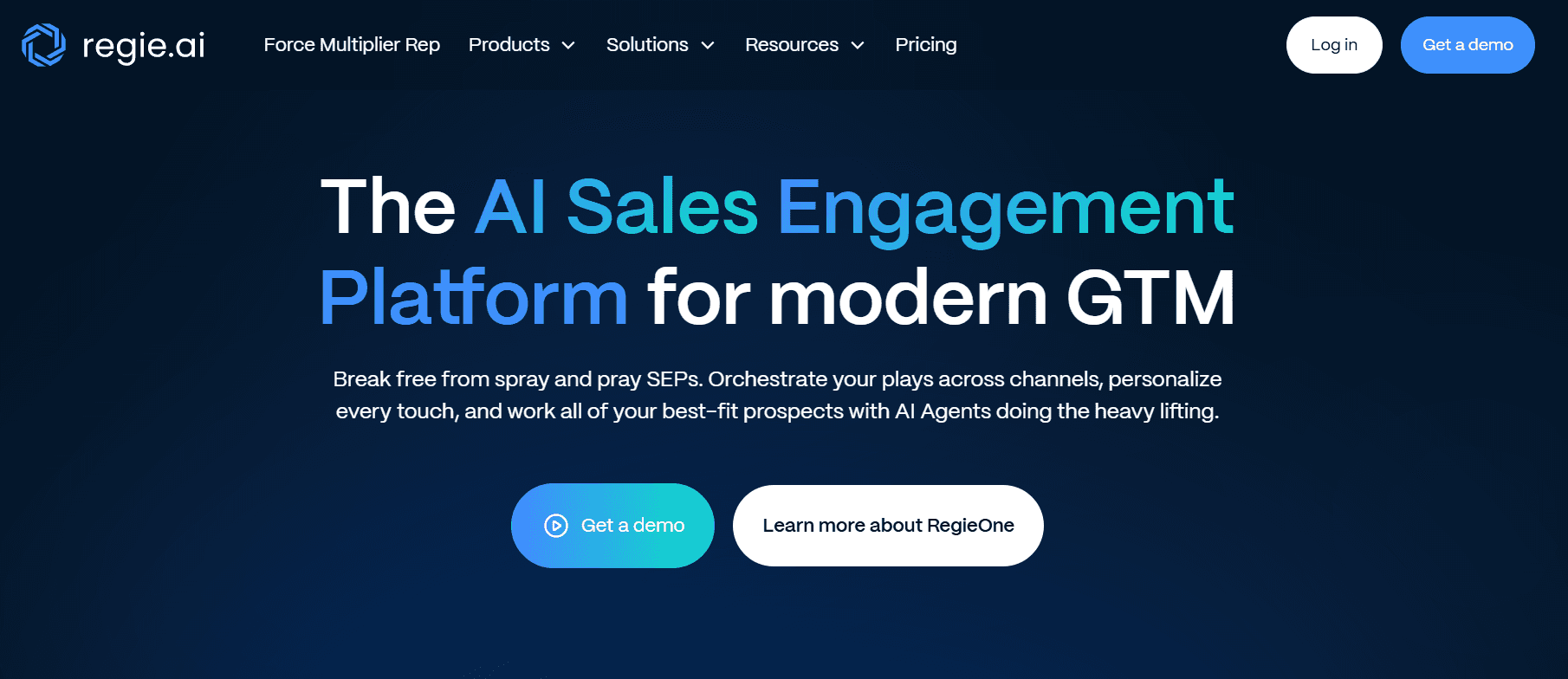
Regie.ai focuses on improving outbound messaging and sequencing through AI.
What users like:
Strong copy generation
Improved personalization quality
Quick campaign setup
What users don’t like
Limited autonomy
Not a full SDR replacement
Verdict
Strong for improving outbound messaging and personalization. Helps teams write better emails and sequences. Does not handle the full SDR workflow or automation.
10. Landbase
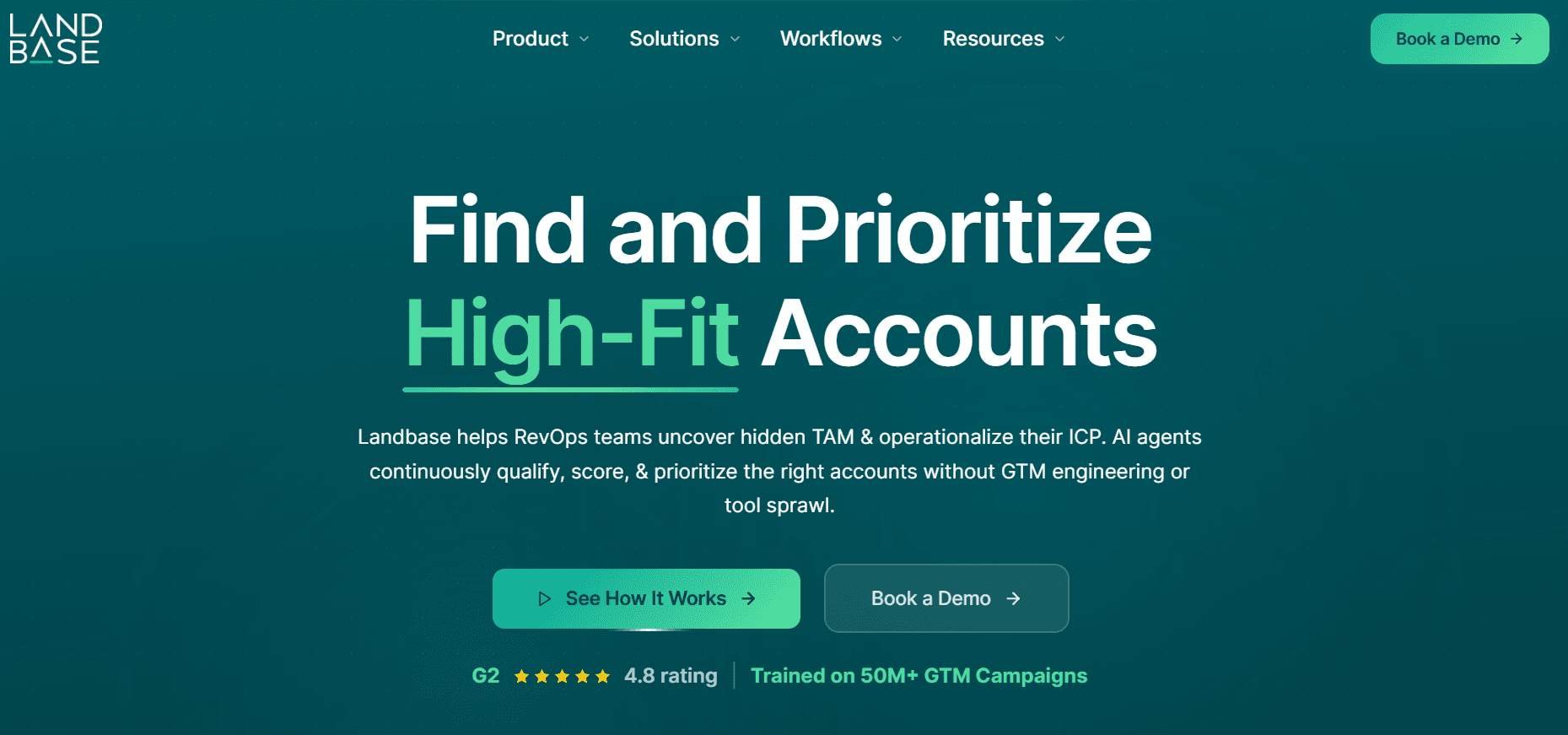
Landbase is an emerging multi-agent platform that supports outbound across the full funnel.
What users like:
Broad GTM capabilities
Forward-looking product direction
Agent-based architecture
What users don’t like:
Early-stage product maturity
Limited market validation
Verdict
Promising but still early-stage.
Best for teams experimenting with next-gen AI workflows, not proven outbound performance yet.
What Actually Drives Meetings: Breakout vs Traditional Outbound AI SDRs
Most outbound AI SDRs are built to increase activity. More emails, more sequences, more touchpoints. The assumption is that volume creates pipeline.
That approach misses a key variable: intent.
Breakout takes a different route. It starts with real-time buyer behavior and builds outreach around it. Traditional outbound tools start with lists and try to simulate relevance later.
The difference shows up in timing, personalization, and ultimately, conversion.
Timeline | Breakout | Typical outbound AI SDRs |
Starting point | Live inbound intent | Cold lead lists |
When outreach happens | In real time | Delayed, sequence-based |
Personalization | Based on actual behavior | Based on static data |
Conversion likelihood | High | Low to moderate |
Approach | Precision and timing | Volume and repetition |
Move Beyond Traditional Outbound For Better Conversion
Traditional outbound is built on activity. More emails, more sequences, more follow-ups. The assumption is that effort compounds into results. In reality, it often creates noise.
When outreach isn’t tied to intent, it interrupts instead of engaging. Even advanced tools like 11x.ai and Artisan still follow this model. They automate execution, but the starting point remains cold.
Conversion doesn’t improve with volume alone. It improves when timing and context align.
This is where Breakout changes the equation. It starts with intent, engages in real time, and uses actual behavior to drive outreach.
You already have demand. Breakout helps you capture it instantly and convert it into qualified meetings.
Book a demo to see it in action.
FAQs
1. What is an outbound AI SDR?
An outbound AI SDR is a software agent that automates sales development tasks.
It automates prospecting, personalization, outreach, follow-ups, and meeting booking. Unlike traditional tools, it can run multi-step outbound campaigns with minimal human involvement.
2. How is an outbound AI SDR different from a sales engagement tool?
Sales engagement tools help teams execute outreach manually or semi-automatically.
Outbound AI SDRs go further by automating the full workflow, including lead selection, message generation, follow-ups, and response handling.
3. What are the best outbound AI SDR tools in 2026?
Top outbound AI SDR tools include 11x.ai, Artisan, AiSDR, Salesforge, and Breakout.
Each varies in automation depth, personalization, and signal usage.
4. Do outbound AI SDRs actually replace human SDRs?
They can reduce the need for manual outreach, but most companies still use human SDRs for strategy, qualification, and closing complex deals.
AI SDRs are best seen as force multipliers rather than full replacements.
5. What are the limitations of traditional outbound AI SDRs?
Most outbound AI SDRs rely on cold lead lists and delayed intent signals. This often leads to lower reply rates, generic messaging, and heavy dependence on volume to generate results.
6. What is inbound-led outbound?
Inbound-led outbound uses real-time buyer signals, such as website activity or engagement behavior, to trigger outreach.
Instead of relying on static lists, it reaches prospects when intent is highest, making communication more timely, relevant, and more likely to convert.
7. How is Breakout different from traditional outbound AI SDRs?
Breakout starts with live inbound intent instead of cold lists.
It identifies anonymous visitors, engages them in real time, and triggers outbound based on actual behavior. This leads to higher-quality conversations and faster meeting booking.
8. Which is better: inbound AI SDR or outbound AI SDR?
Inbound AI SDRs perform better when you already have traffic or demand, as they convert existing intent. Outbound AI SDRs are useful for generating pipeline from scratch but typically have lower conversion rates.
9. What features should you look for in an outbound AI SDR?
Key features include multi-channel outreach, personalization capabilities, intent signal usage, deliverability optimization, autonomous follow-ups, and CRM integration. Tools that combine intent with execution tend to perform better.
10. Can AI SDRs improve conversion rates?
Yes, but results depend on how they are used.
AI SDRs that rely only on volume see incremental gains. Those that leverage real-time intent and behavior signals, like Breakout, can significantly improve conversion rates.
Outbound sales used to follow a predictable playbook.
Build a prospect list, research each account, and send hundreds of cold emails, hoping a few would convert into meetings.
That approach still exists. But that's no longer how modern sales teams operate.
Cold outreach at scale is becoming less effective.
This data makes that clear. Only about 5% of cold emails get a reply, which means roughly 95% fail to generate any engagement.
Teams are shifting toward intent-driven engagement, where outreach is based on real signals, not assumptions. When you understand what a prospect is already interested in, your message feels timely and relevant, not forced or transactional.
Many platforms still focus on outbound automation. They help teams find prospects, generate personalized messages, and run campaigns at scale. But without intent, even well-crafted outreach struggles to convert.
Others take a different approach.
Platforms like Breakout focus on converting existing demand and enabling warm outbound. They identify anonymous website visitors, engage them in real time, and qualify interest instantly. High-intent prospects are then guided toward booking a meeting.
If visitors leave without taking the next step, Breakout continues the conversation through follow-ups.
Its Inbound-led Outbound feature allows teams to re-engage those visitors automatically and move them back toward conversion.
Early-stage companies often rely heavily on outbound development to create pipeline. As traffic grows, tools that capture and convert inbound intent become far more effective.
If you're evaluating outbound AI SDR platforms in 2026, this guide covers the tools worth considering and what each one does best.
Difference Between Inbound AI SDR and Outbound AI SDR
AI SDR platforms typically operate in two roles: inbound and outbound.
The responsibilities mirror traditional SDR teams, but the execution is automated.
Instead of manually researching prospects or responding to leads, AI systems handle these activities continuously with minimal human involvement.
The key difference lies in where the conversation starts.
Inbound AI SDRs engage prospects who already show interest, while outbound AI SDRs initiate conversations with potential buyers who have not interacted with the company yet.
Category | Inbound AI SDR | Outbound AI SDR |
Primary Goal | Convert existing interest into qualified meetings | Generate new pipeline by reaching new prospects |
Starting Point | Website visitors, demo requests, inbound leads | Cold prospects who have not engaged with the brand |
Key Activities | Live chat conversations, answering product questions, follow-ups, meeting scheduling | Prospect research, contact discovery, personalized cold outreach |
Data Source | Website activity, inbound forms, product interactions | Account lists, intent data, firmographic targeting |
Engagement Channels | Website chat, email follow-ups, meeting booking | Email outreach, LinkedIn messaging, multi-channel sequences |
Role in Funnel | Middle to bottom of funnel conversion | Top of funnel pipeline creation |
AI Knowledge Requirements | Deep product knowledge to guide prospects | Prospect research and personalization capabilities |
In modern sales workflows, inbound and outbound AI SDRs work best together.
An outbound AI SDR may start the relationship through targeted outreach.
If that prospect later visits the website, an inbound AI SDR can engage immediately.
It can answer questions, qualify interest, and guide the prospect toward booking a meeting.
This handoff between outbound prospecting and inbound engagement improves pipeline efficiency and creates a smoother buying experience.
For companies just starting out, inbound traffic is often limited. Outbound AI SDRs help generate early pipeline and identify potential buyers.
They research accounts, find contacts, and initiate conversations with relevant prospects.
As traffic grows, combining outbound prospecting with inbound engagement becomes far more effective.
With that in mind, let’s look at the top outbound AI SDR platforms businesses can consider in 2026.
The Top Ten Outbound AI SDRs to Choose in 2026
Outbound AI SDR tools promise the same outcome: more meetings without adding headcount.
In reality, they take very different approaches.
Some run high-volume cold outbound. Others rely on signals to improve timing.
A few are starting to rethink outbound entirely.
This list ranks the top platforms based on who actually drives qualified meetings consistently.
1. Breakout (Inbound-Led Outbound)
Breakout is not a traditional outbound AI SDR.
It is an Inbound-first AI SDR that extends into outbound automatically.
It identifies anonymous website visitors, qualifies them in real time, and triggers outbound sequences based on live intent. Outreach happens when the prospect is already active, not days later.
This changes the starting point of outbound from cold lists to real behavior.
Why we rank Breakout #1 (even though it’s not purely outbound)
Because outbound is evolving.
Cold outreach without “real buyer intent” reduces conversion and risks damaging pipeline quality.
Traditional outbound tools (like 11x.ai or Artisan) still rely on:
static lead lists
delayed intent signals
guesswork personalization
Breakout flips this:
Starts with real-time intent (website activity)
Then executes outbound with perfect timing
The result?
Higher reply rates, better conversations, faster meetings
In 2026, the question isn’t:
“Who sends the most outbound?”
It’s:
“Who sends outbound at the right moment?”
Breakout wins that.
What users like:
Converts existing inbound traffic into meetings
Outreach timing aligns with real buyer intent
Personalization is grounded in actual behavior, not scraped data
Reduces reliance on high-volume cold outbound
Cons
Not built for pure list-based outbound prospecting
Less suited for teams that want manual outbound control
Verdict
Best for teams that already generate inbound traffic but struggle to convert it into meetings.
It works especially well for:
High-traffic websites with low conversion rates
Teams investing in paid acquisition or content but not capturing full value
Companies looking to increase pipeline without scaling SDR headcount
Businesses where buyers need education before booking a demo
Instead of increasing outbound volume, Breakout improves conversion at the point of intent.
Not ideal for teams running purely cold outbound with no inbound motion.
2. 11x.ai (Alice)
11x.ai offers a fully autonomous outbound AI SDR designed to replace human SDR workflows. It handles prospecting, outreach, follow-ups, and booking across channels.
What users like:
High level of automation across the outbound funnel
Strong positioning as an SDR replacement
Suitable for enterprise teams
What users don’t like:
Expensive relative to alternatives
Still relies on cold data and list quality
Personalization quality depends on inputs
Verdict
Best for automating outbound end to end and reducing SDR headcount. Works well with strong data and defined ICP. Falls short when intent is weak, as it scales cold outreach.
3. Artisan (Ava)
Artisan provides an all-in-one outbound AI SDR with built-in data, sequencing, and personalization workflows.
What users like:
Strong personalization system
Multi-channel outreach
Clean product experience
What users don’t like
Still dependent on outbound lists
Requires setup and iteration for best results
Verdict
Best for teams that want structured outbound with stronger personalization than traditional tools.
4. AiSDR
AiSDR focuses on simplifying outbound AI SDR adoption with a multi-channel approach and faster setup.
What users like:
Easy onboarding
Multi-channel execution
Clear pricing model
What users don’t like
Less advanced than category leaders
Limited depth in customization
Verdict
Ideal for teams that want structured outbound with better personalization. Improves campaign quality but still depends on outbound lists. Best when execution, not intent, is the bottleneck.
5. Salesforge (Agent Frank)
Salesforge combines outbound AI automation with strong email infrastructure and deliverability tools.
What users like:
Reliable email deliverability
Built-in warmup and domain rotation
Stable outbound execution
What users don’t like
Primarily email-focused
Less autonomous compared to agent-first tools
Verdict
Best for solving deliverability issues and ensuring emails land in inboxes. Strong infrastructure layer for outbound. Does not directly improve engagement or conversion.
6. Amplemarket
Amplemarket uses multiple AI agents for research, signal detection, and sequencing within outbound workflows.
What users like:
Strong signal-based targeting
Flexible outbound workflows
Good balance of data and automation
What users don’t like:
Not fully autonomous
Requires active management
Verdict
Balances signals, data, and automation while keeping teams in control. Useful for hands-on outbound strategies. Not fully autonomous, but more flexible.
7. Reply.io (Jason AI)
Reply.io is a sales engagement platform with AI layered into outbound workflows.
What users like:
Mature and reliable platform
Multi-channel capabilities
Familiar workflow for sales teams
What users don’t like:
Not a true autonomous SDR
Requires manual setup and optimization
Verdict
Reliable upgrade from manual outbound with AI assistance. Familiar workflows make adoption easy. Not designed to replace SDRs or run fully autonomous outbound.
8. Apollo.io
Apollo combines a large contact database with outbound sequencing and AI-assisted targeting.
What users like:
Extensive contact database
All-in-one outbound stack
Competitive pricing
What users don’t like:
Data accuracy can vary
AI capabilities are still evolving
Verdict
Best for combining lead data and outbound in one platform. Strong for scale and convenience. The tradeoff is inconsistent data quality and weaker intent signals.
9. Regie.ai
Regie.ai focuses on improving outbound messaging and sequencing through AI.
What users like:
Strong copy generation
Improved personalization quality
Quick campaign setup
What users don’t like
Limited autonomy
Not a full SDR replacement
Verdict
Strong for improving outbound messaging and personalization. Helps teams write better emails and sequences. Does not handle full SDR workflow or automation.
10. Landbase
Landbase is an emerging multi-agent platform that supports outbound across the full funnel.
What users like:
Broad GTM capabilities
Forward-looking product direction
Agent-based architecture
What users don’t like:
Early-stage product maturity
Limited market validation
Verdict
Promising but still early-stage.
Best for teams experimenting with next-gen AI workflows, not proven outbound performance yet.
What Actually Drives Meetings: Breakout vs Traditional Outbound AI SDRs
Most outbound AI SDRs are built to increase activity. More emails, more sequences, more touchpoints. The assumption is that volume creates pipeline.
That approach misses a key variable: intent.
Breakout takes a different route. It starts with real-time buyer behavior and builds outreach around it. Traditional outbound tools start with lists and try to simulate relevance later.
The difference shows up in timing, personalization, and ultimately, conversion.
Timeline | Breakout | Typical outbound AI SDRs |
Starting point | Live inbound intent | Cold lead lists |
When outreach happens | In real time | Delayed, sequence-based |
Personalization | Based on actual behavior | Based on static data |
Conversion likelihood | High | Low to moderate |
Approach | Precision and timing | Volume and repetition |
Move Beyond Traditional Outbound For Better Conversion
Traditional outbound is built on activity. More emails, more sequences, more follow-ups. The assumption is that effort compounds into results. In reality, it often creates noise.
When outreach isn’t tied to intent, it interrupts instead of engaging. Even advanced tools like 11x.ai and Artisan still follow this model. They automate execution, but the starting point remains cold.
Conversion doesn’t improve with volume alone. It improves when timing and context align.
This is where Breakout changes the equation. It starts with intent, engages in real time, and uses actual behavior to drive outreach.
You already have demand. Breakout helps you capture it instantly and convert it into qualified meetings.
Book a demo to see it in action.
FAQs
1. What is an outbound AI SDR?
An outbound AI SDR is a software agent that automates sales development tasks.
It automates prospecting, personalization, outreach, follow-ups, and meeting booking. Unlike traditional tools, it can run multi-step outbound campaigns with minimal human involvement.
2. How is an outbound AI SDR different from a sales engagement tool?
Sales engagement tools help teams execute outreach manually or semi-automatically.
Outbound AI SDRs go further by automating the full workflow, including lead selection, message generation, follow-ups, and response handling.
3. What are the best outbound AI SDR tools in 2026?
Top outbound AI SDR tools include 11x.ai, Artisan, AiSDR, Salesforge, and Breakout.
Each varies in automation depth, personalization, and signal usage.
4. Do outbound AI SDRs actually replace human SDRs?
They can reduce the need for manual outreach, but most companies still use human SDRs for strategy, qualification, and closing complex deals.
AI SDRs are best seen as force multipliers rather than full replacements.
5. What are the limitations of traditional outbound AI SDRs?
Most outbound AI SDRs rely on cold lead lists and delayed intent signals. This often leads to lower reply rates, generic messaging, and heavy dependence on volume to generate results.
6. What is inbound-led outbound?
Inbound-led outbound uses real-time buyer signals, such as website activity or engagement behavior, to trigger outreach.
Instead of relying on static lists, it reaches prospects when intent is highest, making communication more timely, relevant, and more likely to convert.
7. How is Breakout different from traditional outbound AI SDRs?
Breakout starts with live inbound intent instead of cold lists.
It identifies anonymous visitors, engages them in real time, and triggers outbound based on actual behavior. This leads to higher-quality conversations and faster meeting booking.
8. Which is better: inbound AI SDR or outbound AI SDR?
Inbound AI SDRs perform better when you already have traffic or demand, as they convert existing intent. Outbound AI SDRs are useful for generating pipeline from scratch, but typically have lower conversion rates.
9. What features should you look for in an outbound AI SDR?
Key features include multi-channel outreach, personalization capabilities, intent signal usage, deliverability optimization, autonomous follow-ups, and CRM integration. Tools that combine intent with execution tend to perform better.
10. Can AI SDRs improve conversion rates?
Yes, but results depend on how they are used.
AI SDRs that rely only on volume see incremental gains. Those that leverage real-time intent and behavior signals, like Breakout, can significantly improve conversion rates.