All Blogs
A guide for B2B revenue teams on inbound lead generation — covering qualification, speed-to-lead, and how AI automates the full inbound funnel.

Evan Marshall
Senior Growth AI Strategist
Published On

If you're running any kind of inbound lead generation strategy, you already know the basics: create content, rank for the right searches, capture leads, and hand them to sales. But the part that actually determines whether your inbound leads convert is what happens after the form is submitted. Inbound leads vs outbound leads is a useful framing for cost and intent, but the real question is whether your inbound lead process is fast enough to matter. This covers the full picture, from inbound lead meaning to the tools, qualification methods, and AI-driven changes that are reshaping how revenue teams manage inbound lead generation in 2026.
TLDR:
Inbound leads self-select through content and search, which is why they close at higher rates than outbound leads.
Responding to an inbound lead within five minutes makes you 9x more likely to connect; waiting 30 minutes drops that likelihood sharply.
Qualify inbound leads using BANT, behavioral lead scoring, and discovery call questions to separate buyers from browsers.
AI now scores, routes, and triggers outreach the moment a lead arrives, letting your team scale pipeline without proportional headcount growth.
Breakout's AI agent engages form submissions instantly, qualifies through conversation, and routes only ICP-matched leads to sales reps.
What Is an Inbound Lead
An inbound lead is a prospect who reaches out to your business on their own, pulled in by content, search results, or word of mouth instead of a cold outreach from your team. They've already expressed some level of interest before your sales team ever speaks with them.
That self-initiated intent is what separates inbound leads from outbound ones. When someone fills out a demo request form after reading a blog post, downloads a pricing guide, or calls in after finding you on Google, they're an inbound lead. The behavior signals they have a problem and are actively looking for a solution.
Inbound vs. Outbound Lead Generation
Inbound lead generation pulls prospects toward you through content, SEO, and owned channels. Outbound lead generation pushes your message outward through cold outreach, paid ads, and direct prospecting. Both have a place in a B2B revenue strategy, but they operate on different timelines, cost structures, and intent signals.
Inbound | Outbound | |
|---|---|---|
Lead intent | High, self-selected | Lower, interrupted |
Time to results | Slower build | Faster short-term |
Cost over time | Decreases as assets compound | Stays constant or rises |
Best for | Scalable pipeline at lower CAC | Targeting specific accounts quickly |
Inbound leads tend to close at higher rates because they arrive with context. Outbound leads require more nurturing but give you control over who you reach.
The Inbound Lead Generation Process
The inbound lead generation process follows a repeatable sequence that moves a stranger from first contact to qualified opportunity. It starts with attraction, where content, search visibility, and social presence bring the right audience to you. From there, a visitor converts by taking a meaningful action, such as filling out a form, downloading a resource, or requesting a demo. Once captured, leads enter a nurturing phase where automated sequences and targeted content move them toward readiness. Finally, qualified leads are handed off to sales with enough context to have a productive first conversation.
What Makes a Lead "Inbound Qualified"
Not every form fill warrants a sales call. Inbound lead qualification typically weighs fit, engagement depth, and timing to separate genuine buyers from browsers.
Inbound Lead Generation Strategies That Work
Content marketing, SEO, and owned media form the foundation of inbound lead generation. When a buyer searches for answers, your content either shows up or it doesn't.
Here are the strategies that consistently generate inbound leads at scale:
Search-optimized content targets the queries your buyers type when they're actively researching a problem, pulling qualified traffic without paid amplification.
Gated assets like whitepapers, calculators, and benchmarking reports exchange real value for contact information, attracting prospects who have already self-identified a need.
Webinars and live events build credibility and capture registrants who are further along in their evaluation process.
Free tools and product trials let buyers experience value before a sales conversation starts, which shortens the qualification cycle considerably.
How to Qualify Inbound Leads
Not every inbound lead deserves the same urgency or attention. Qualification is how you separate genuine buying intent from casual curiosity before your sales team spends time on a call.
A few frameworks worth knowing:
BANT (Budget, Authority, Need, Timeline) is the classic starting point. It tells you whether a lead has the means and mandate to buy, though it can feel rigid if applied too literally in complex sales cycles.
Lead scoring tools assign point values to behaviors like page visits, content downloads, and email opens, so your team works the hottest leads first.
Inbound lead qualification questions during a discovery call can confirm fit faster than any automated score alone.
The goal is a repeatable process, not a one-time judgment call.
Speed-to-Lead and Inbound Lead Management
Generating an inbound lead is only half the equation. What happens in the minutes after that lead arrives often determines whether it converts.
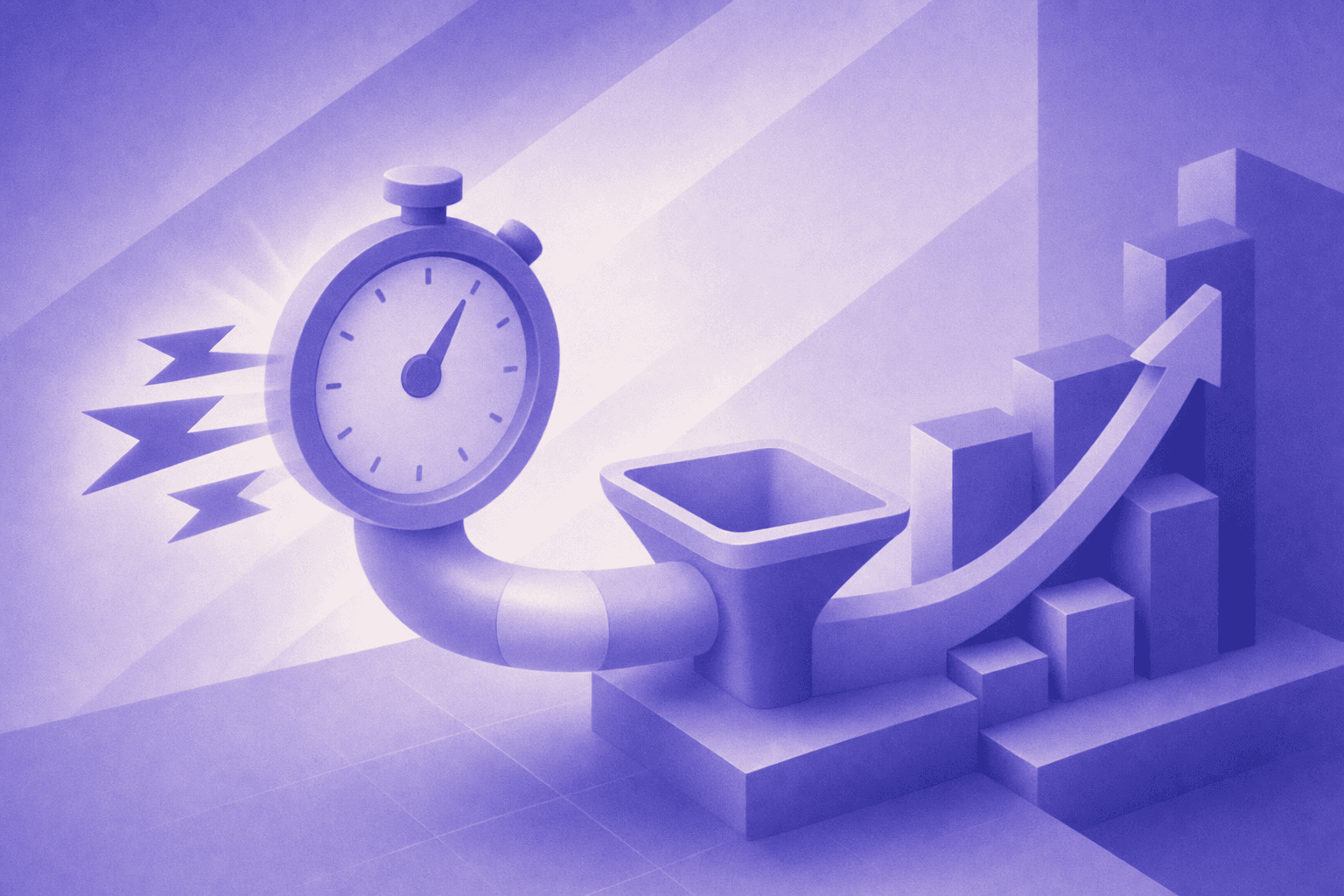
Research shows that responding to an inbound lead within five minutes makes you 9x more likely to connect with that prospect. Wait 30 minutes and that likelihood drops sharply. For revenue operations leaders, speed-to-lead is one of the highest-impact variables in the inbound lead process.
AI SDR software for inbound is changing this by routing and ranking leads the moment they arrive, scoring them against your ideal customer profile, and triggering outreach automatically, so your sales team reaches high-intent prospects before they lose interest.
Inbound Lead Generation Tools
The right tools determine how well your inbound efforts convert interest into pipeline. Most teams need coverage across four categories: content and SEO, conversion, email nurture, and analytics.
The Core Stack for Inbound Lead Generation
SEO and content tools like Ahrefs, Semrush, or Clearscope help you find topics your buyers are already searching for and measure whether your content is gaining traction.
Conversion tools like Unbounce or dedicated landing page builders let you test offers and reduce friction between a click and a form submission.
Marketing automation tools like HubSpot or Marketo handle lead nurturing sequences, scoring, and routing once a prospect enters your funnel.
Analytics tools like GA4 or Mixpanel show you which content sources and pages are actually driving qualified leads, and not merely raw traffic.
The gap most teams hit is not in picking tools, but in connecting them. A form submission that takes 48 hours to reach a sales rep loses to a competitor who responds in five minutes.
How AI Is Changing Inbound Lead Generation
AI has reshaped how inbound lead generation works at every stage of the funnel. From B2B website visitor identification to qualifying leads the moment they arrive, AI reduces the manual work that used to slow revenue teams down.
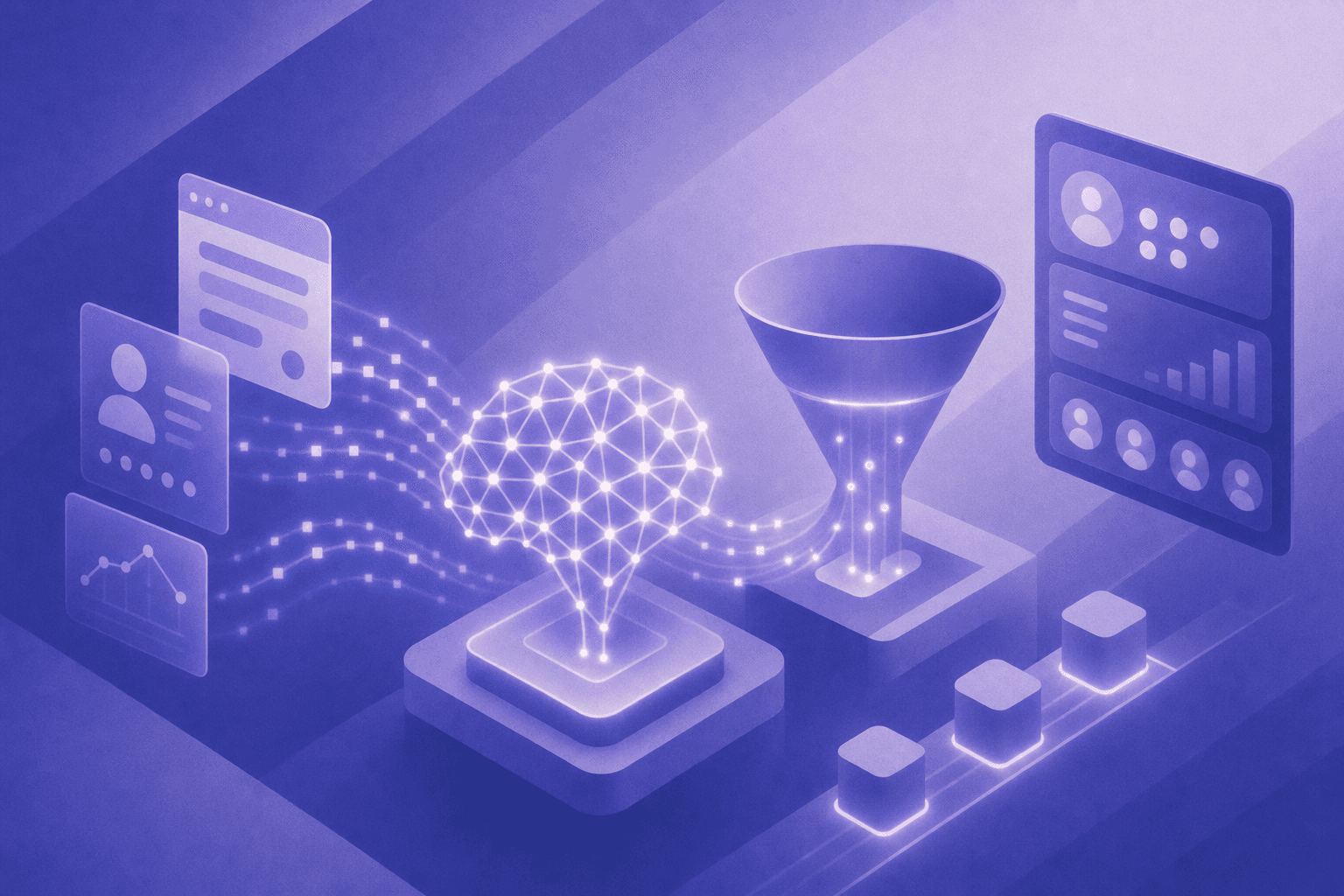
Predictive lead scoring uses behavioral signals across your site, email, and CRM to rank prospects by conversion likelihood before a rep ever touches them. Inbound AI SDRs qualify leads in real time, routing high-intent visitors to sales without a form submission delay. Content personalization engines adjust what a visitor sees based on firmographic and behavioral data, increasing relevance and time on site.
The result is a faster, higher-quality inbound lead process that scales without proportional headcount growth.
How Breakout Runs the Full Inbound Lead Generation Motion
Breakout is built for revenue teams that want AI doing the heavy lifting across the full inbound funnel. When a lead submits a form, Breakout's AI agent engages them instantly, qualifies through conversation, and routes the right leads to sales without a rep lifting a finger. There's no manual triage, no delayed follow-up, and no leads slipping through because someone was in a meeting.
The qualification layer goes beyond basic firmographic filters. Breakout asks the right questions in context, scores intent in real time, and only surfaces leads that actually match your ideal customer profile. Sales reps get warm, pre-qualified conversations instead of cold outreach lists.
Final Thoughts on Inbound Leads and the Process Behind Them
Getting inbound leads is the first step, but converting them consistently takes a process your whole team can repeat. Content, qualification, and fast follow-up all have to work together. When they do, your cost per acquisition drops and your sales team spends time on conversations that actually go somewhere. Sign up for Breakout to put AI to work on the parts of that process that slow most teams down.
FAQ
What's the difference between inbound and outbound lead generation for B2B teams?
Inbound lead generation attracts prospects who are already researching a problem (through content, SEO, and owned channels) while outbound lead generation puts your message in front of prospects through cold outreach, paid ads, and direct prospecting. Inbound leads tend to close at higher rates because they arrive with context and self-selected intent, while outbound gives you control over exactly which accounts you target. Most Series B+ revenue teams run both motions simultaneously, since inbound builds compounding pipeline over time and outbound fills gaps when you need to hit specific accounts quickly.
Should I use Breakout or Qualified for inbound lead qualification if my team runs HubSpot?
Breakout is the stronger fit for HubSpot shops. Qualified does offer a HubSpot integration, but following Salesforce's acquisition of Qualified in April 2026, the product roadmap is now tied to Salesforce's ecosystem, creating uncertainty for non-Salesforce users on future support and feature parity. Beyond the CRM roadmap concern, Breakout identifies and engages high-intent visitors before any form submission occurs, while Qualified's routing begins only after a form fill or chatbot interaction. Breakout also deploys in days without mandatory onboarding fees, whereas Qualified typically requires $10,000 to $30,000 in onboarding costs before you see any value.
How do I qualify inbound leads without slowing down my sales team?
Start with a scoring model that assigns point values to observable behaviors (page visits, content downloads, and demo requests) so your team works highest-intent leads first instead of triaging every form fill manually. Pair that scoring layer with a speed-to-lead process, since responding within five minutes makes you nine times more likely to connect with a prospect than waiting 30 minutes. AI-powered qualification tools like Breakout can engage and score inbound leads the moment they arrive, routing only ICP-matched conversations to sales reps so the team receives pre-qualified pipeline instead of raw contact lists.
Breakout vs. Warmly for inbound lead generation: which one actually takes action on visitor signals?
Warmly is strong at aggregating visitor signals through third-party intent partnerships with Bombora and G2, but it was acquired by HubSpot in June 2026 and is no longer an independent product, which creates a hard CRM dependency and a frozen roadmap for non-HubSpot teams. Breakout moves past signal detection into full execution: it deanonymizes visitors, engages them in real time through AI conversation, runs multi-channel follow-up across email and LinkedIn, and routes qualified leads into your CRM without manual rep intervention. If your bottleneck is signal aggregation, Warmly's legacy product handled that; if your bottleneck is converting those signals into booked meetings, Breakout covers the full inbound lead process from first visit to qualified pipeline.
What is the inbound lead generation process for a B2B SaaS team scaling past Series B?
The inbound lead generation process runs in four stages: attract the right audience through search-optimized content and gated assets, convert visitors through low-friction offers like demo requests or trials, nurture unconverted leads through automated sequences tied to behavioral scoring, and hand off qualified opportunities to sales with enough engagement context to skip the cold-start conversation. Where most Series B+ teams lose ground is in the handoff: a qualified lead that waits 48 hours for a follow-up loses to a competitor who responds in minutes. Tightening the inbound lead qualification and routing layer between conversion and sales contact is where the most recoverable pipeline typically sits.