All Blogs
How much does Salesloft cost in 2026? Explore pricing, setup costs, and hidden fees, and compare Salesloft alternatives before making your decision.

Paige Rankwell
Senior Growth AI Strategist
Published On

Sales engagement software has entered a different phase.
Revenue leaders are spending less time comparing email sequencing features and more time asking how much pipeline each dollar actually produces.
At the same time, there have been updates like the Salesloft merger with Clari. Add to that, Drift is being retired as part of the combined company's long-term product strategy.
These changes have prompted many teams to reassess both their technology stack and their future spending.
Teams researching Salesloft pricing are no longer looking for a simple per-user number. They want to understand annual contract costs, implementation timelines, required seat commitments, and the operational work needed after deployment.
Many Reddit users have been seeking Salesloft alternatives in the last few months.
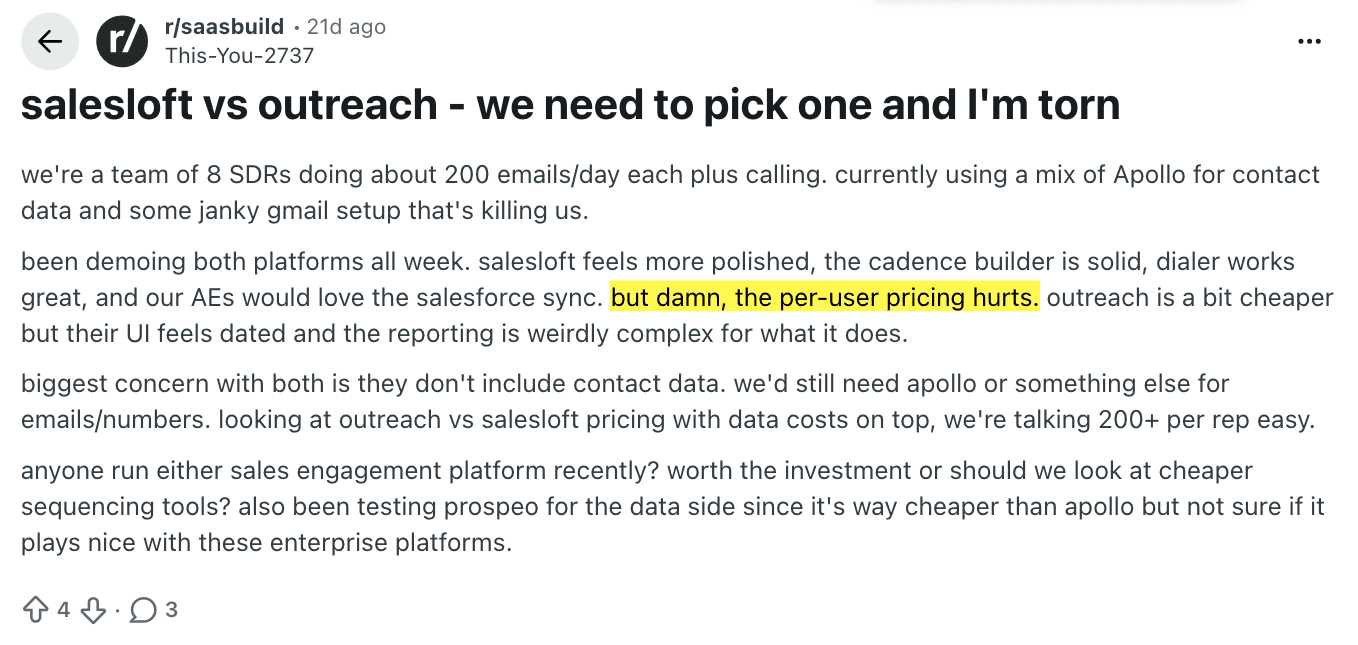
"Salesloft per-user pricing hurts," pointed out one Reddit user. As headcount grows, the overall investment becomes much larger than many teams initially expect.
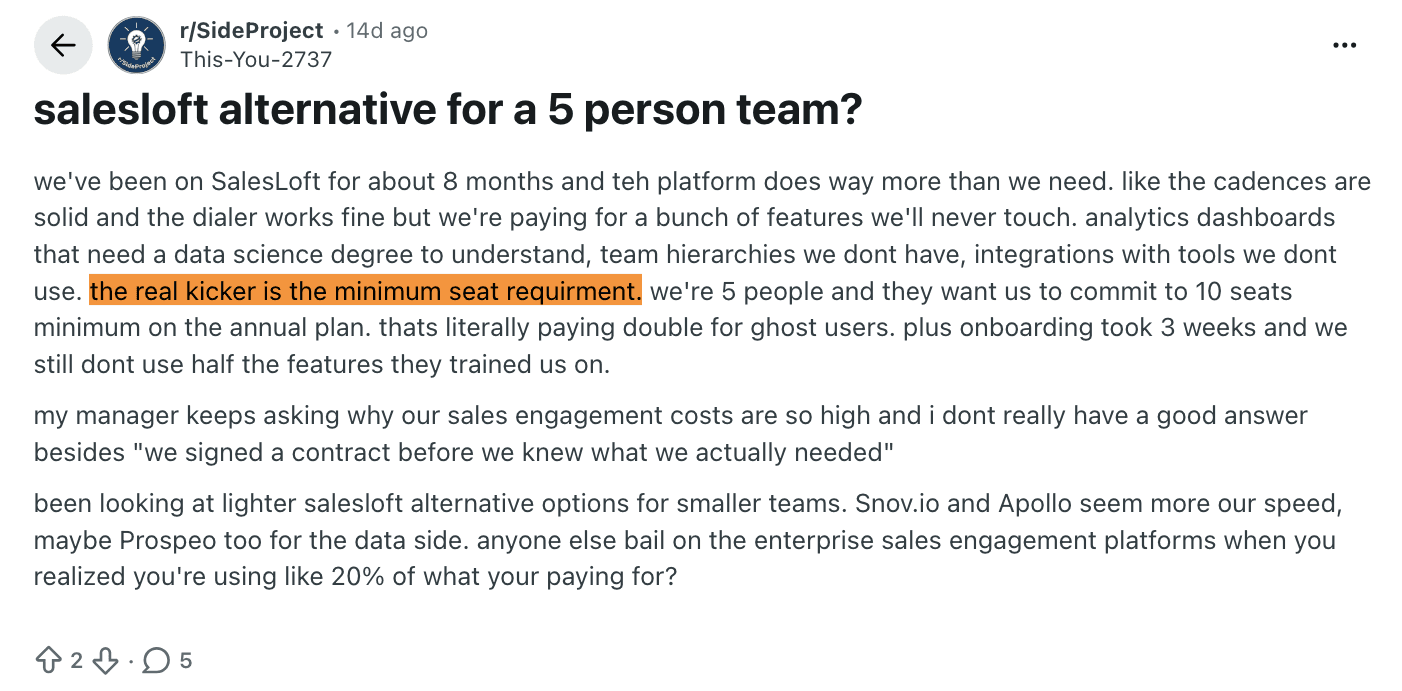
Another Reddit discussion describes teams being asked to commit to more seats than they actually need. Paying for unused licenses increases the total cost before the platform is even fully deployed.
And if you thought that was bad, arriving at the actual price often takes weeks of product evaluations, stakeholder meetings, procurement reviews, and commercial discussions. Only then do many teams begin to understand what the platform will really cost.
Looking only at license pricing tells only part of the story. A sales engagement platform also brings implementation work, CRM integrations, platform administration, and the people needed to build, manage, and improve outbound programs.
Those costs continue long after the contract is signed.
This article brings those numbers together in one place.
We examine Salesloft pricing in 2026, explain where the largest cost drivers appear, do a head-to-head comparison of Salesloft alternatives, and look at how AI-first tools like Breakout are changing the economics of outbound sales.
How much will Salesloft cost in 2026?
Finding a clear answer to Salesloft pricing is harder than it should be. Unlike many SaaS products that publish plans and let buyers explore the platform immediately, Salesloft follows a sales-led buying process.
Pricing discussions usually happen only after product demonstrations, technical evaluations, internal reviews, and procurement conversations.
Public estimates place Salesloft pricing in 2026 between $125 and $165 per user per month before negotiations.
Mid-market companies signing annual agreements often report paying closer to $100 to $130 per user per month after discounts. Those figures only cover the software subscription.
Features such as the dialer, implementation services, onboarding, and other premium capabilities are generally priced separately.
Estimated Salesloft pricing
List pricing: $125–$165 per user/month
Negotiated annual pricing: $100–$130 per user/month
Annual agreements are common
Calling features usually cost extra
Onboarding and implementation are separate
Final quotes depend on business requirements
Annual contract ranges by team size
Salesloft pricing changes as teams grow. The number of users is only one factor.
Outbound volume, CRM integrations, calling requirements, support levels, and contract length all influence the final proposal.
Team size | Estimated annual software cost* | Typical fit |
3–10 users | ~$4,000–$15,000 | Small outbound teams |
10–25 users | ~$15,000–$40,000 | SMB and mid-market companies |
25–50 users | ~$40,000–$75,000 | Larger outbound organizations |
50+ users | Custom pricing | Enterprise sales teams |
Pricing variability and negotiation
Few organizations pay the same amount for Salesloft. Pricing depends on contract size, bundled products, support requirements, and the outcome of commercial negotiations.
Buyer discussions also suggest that the negotiation process can take several weeks because pricing typically follows product evaluations, technical reviews, procurement, and legal approvals.
Why Salesloft pricing adds up quickly
Most companies spend more than the initial software quote. Costs increase as teams grow, workflows become more advanced, and additional products are introduced.
SDR dependency and headcount costs
Salesloft helps SDRs work faster, but it does not replace them. Every new territory, product line, or outbound campaign usually means adding more SDRs and more user licenses.
The cost grows beyond software. Hiring, training, management, and sales operations all increase alongside headcount. For companies scaling outbound teams, people often become a larger expense than the platform itself.
Add-ons and missing features
Organizations rarely use Salesloft in isolation. Dialers, CRM integrations, sales intelligence platforms, and implementation services all add to the final spend.
Ongoing execution and optimization effort
The work does not stop after deployment. Sequences need updating, CRM data needs maintenance, and workflows change as teams grow.
The larger the outbound program becomes, the more time RevOps and sales managers spend maintaining the platform. Those operational costs continue long after the initial purchase.
Which Salesloft alternative offers the best value?
Revenue teams evaluating Salesloft pricing are no longer comparing only sales engagement platforms. They are also looking at AI SDRs, inbound conversion platforms, CRM-first sales tools, and prospecting platforms that solve different parts of the revenue process.
We narrowed the field to four platforms worth evaluating based on pricing, operating model, and the type of sales team they support. Whether you prioritize outbound execution, inbound conversion, or lower operating costs, each option below offers a different path to pipeline growth.
Breakout: Turn inbound demand into a qualified pipeline
While Salesloft helps SDR teams execute outbound programs, Breakout takes a different approach by handling the first stage of the buying journey automatically.
Instead of waiting for an SDR to respond, Breakout engages website visitors the moment they arrive.
Its AI SDR asks qualifying questions, answers product and pricing queries, captures buying signals, routes high-intent prospects, and books meetings during the same conversation.
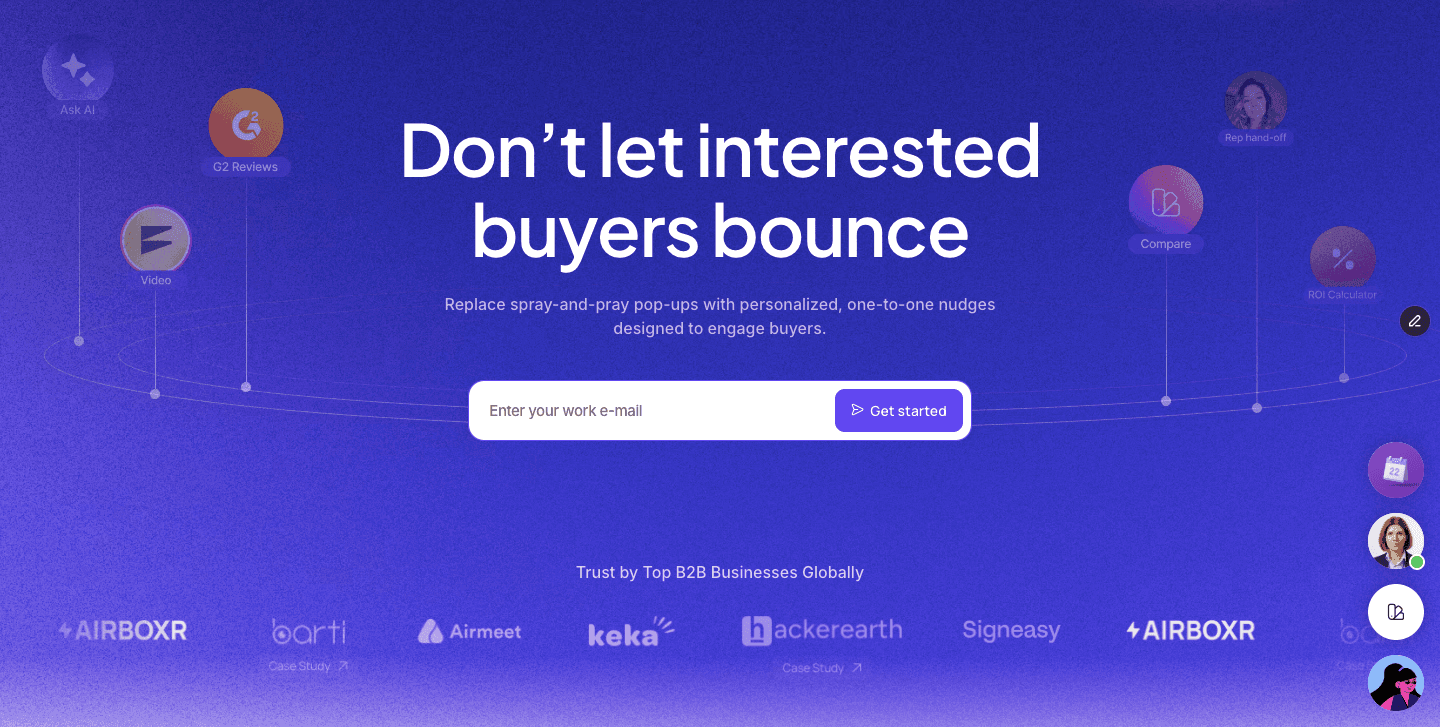
Breakout holds natural conversations across chat, voice, and interactive product experiences. It qualifies buyers, answers product questions, captures buying signals, routes high-intent opportunities, and books meetings automatically.
Every interaction draws on CRM records, previous conversations, and your company's content, giving visitors consistent answers without scripted playbooks.
For revenue teams, that changes how the inbound pipeline is generated. Every visitor receives immediate attention, regardless of time zone or business hours.
Sales teams receive qualified meetings instead of raw leads, reducing the amount of manual qualification required from SDRs.
And because pricing is based on platform usage rather than user licenses, costs grow with demand instead of headcount.
Feature highlights
AI SDR that qualifies, routes, and books meetings automatically
Personalized conversations using CRM data, buyer behavior, and company content
Chat, voice, product tours, and interactive buying experiences
Works with Salesforce, HubSpot, Attio, Pipedrive, and other GTM systems
Built-in visitor identification and lead qualification
Reporting that tracks qualification quality, buyer journeys, and pipeline influence
Best suited for
B2B SaaS companies that want to increase pipeline from existing website traffic without expanding SDR teams.
Pricing
Signals: Starts at $500/month for visitor identification and enrichment
Growth: Starts at $2,000/month, adding the AI SDR, lead routing, scheduling, and multi-channel engagement
Enterprise: Custom pricing for advanced workflows, integrations, security, and support
Common drawbacks
Teams with highly specialized reporting needs may require additional analytics tools.
How Barti generated more meetings without adding SDRs
Barti replaced static lead forms with Breakout's AI SDR, allowing visitors to move through qualification without waiting for a sales representative.
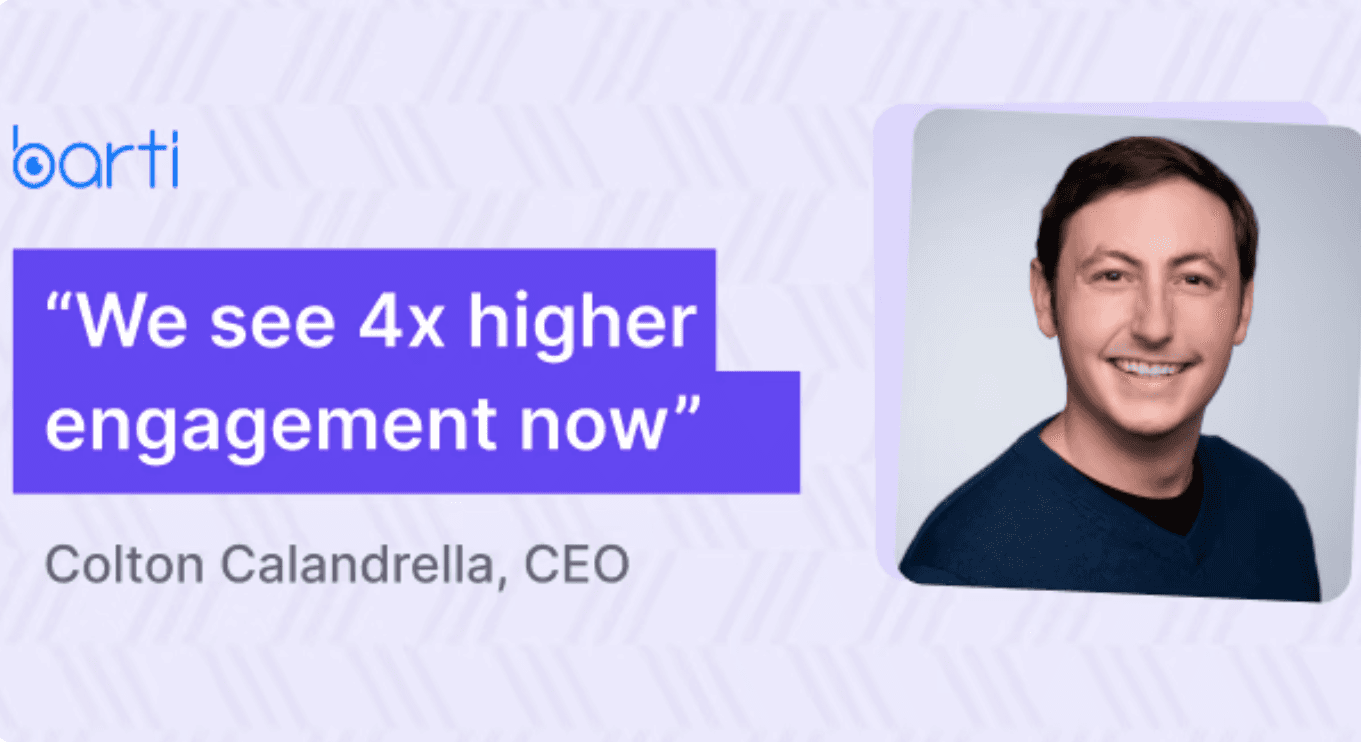
The results included:
19% incremental pipeline influenced
10% of the pipeline is directly generated by Breakout
9% influenced through AI-led engagement
Achieved without increasing SDR headcount
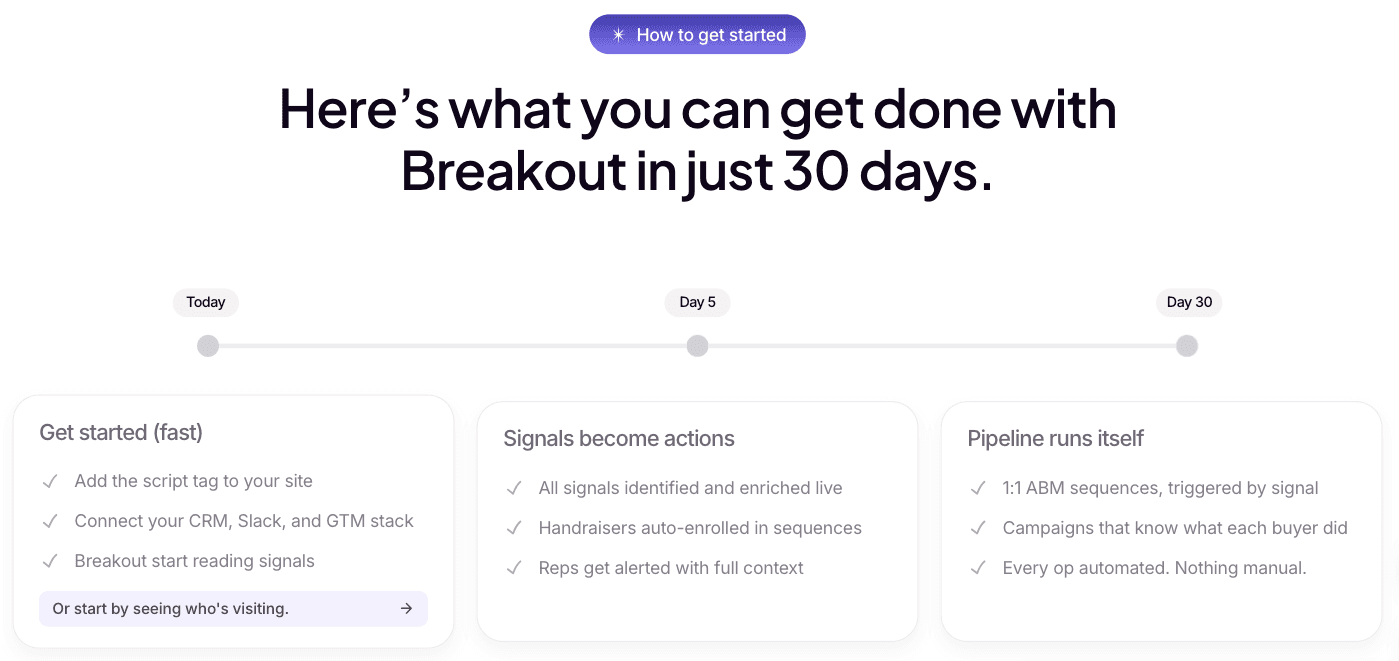
Qualified: An enterprise platform for Salesforce users
Qualified is designed for companies that want Salesforce to sit at the center of their inbound sales process.
Rather than focusing on outbound engagement, the platform helps identify website visitors, qualify opportunities, and connect buyers with sales teams using Salesforce data and routing rules.
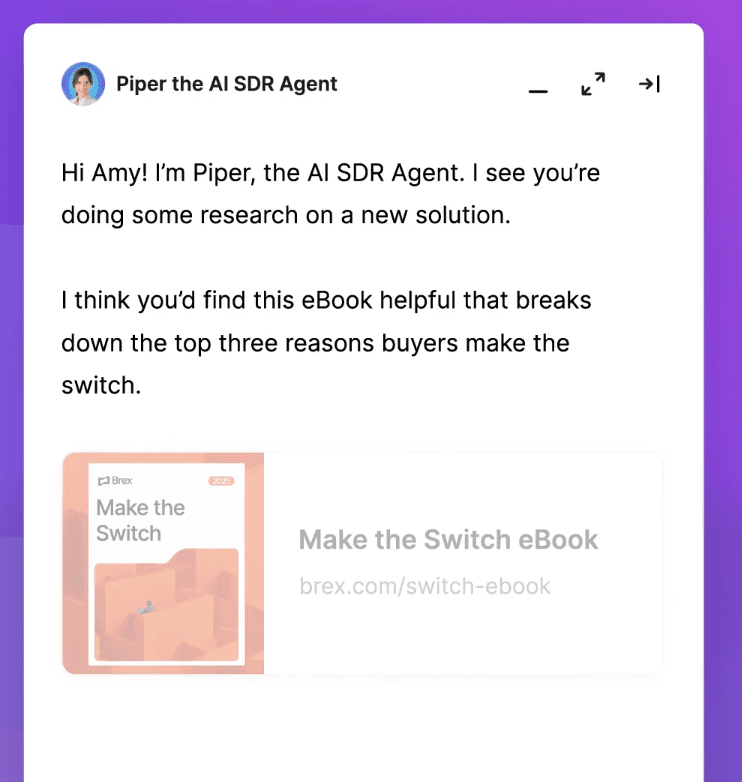
For companies already invested in the Salesforce ecosystem, Qualified keeps inbound activity closely connected to existing CRM records and account data.
This makes it a better fit for organizations running account-based marketing programs or managing long enterprise buying cycles where routing accuracy is a priority.
Feature highlights
Website visitor identification and qualification
Salesforce-native routing and account matching
AI-powered conversations and meeting scheduling
Live chat with SDR handoff
Real-time CRM updates and activity tracking
Best suited for
Enterprise companies that are already using Salesforce as their primary CRM and running inbound or account-based marketing programs.
Pricing
Qualified follows custom enterprise pricing. Public estimates place annual contracts between $42,000 and $72,000, depending on company size, product package, and implementation requirements.
Common drawbacks
The highest value comes from Salesforce-only deployments
Enterprise pricing limits accessibility for smaller businesses
Initial setup can take several weeks for larger organizations
Less attractive for companies seeking lightweight deployment
Apollo.io: Combining prospect data with outbound execution
Next, we have Apollo.io, a tool that is built for companies that want prospecting and sales engagement under one roof.
The platform combines contact discovery, enrichment, sequencing, calling, and AI-assisted outreach, allowing sales teams to manage outbound campaigns without relying on multiple vendors.
That makes Apollo particularly attractive for startups and mid-market SaaS companies that want to simplify their sales stack without making a large enterprise investment.
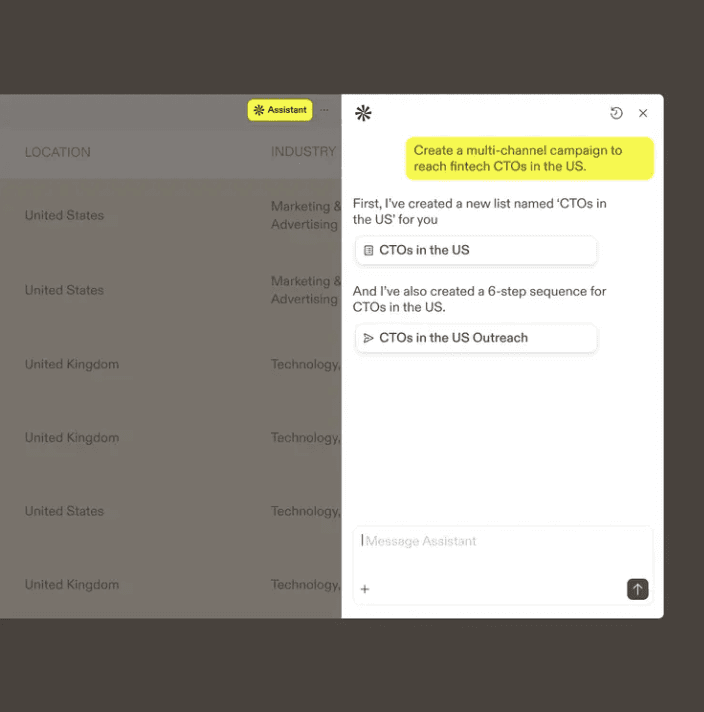
Recent product updates have also introduced AI writing assistance, buying signals, conversation intelligence, and workflow recommendations, giving teams more functionality without adding more tools.
Feature highlights
Contact database with verified business profiles
Email sequences, calling, and LinkedIn task management
Built-in enrichment and buying intent signals
AI assistance for email writing and prospect research
CRM integrations with Salesforce, HubSpot, and other sales tools
Best suited for
SMBs, startups, and SaaS companies building outbound programs without investing in a larger enterprise sales stack.
Pricing
Free plan available
Basic: $49 per user/month
Professional: $79 per user/month
Organization: $119 per user/month
Common drawbacks
Data coverage is stronger in some markets than others
Credit usage can increase costs over time
Not designed for highly customized enterprise sales processes
Governance controls are lighter than enterprise-focused platforms
Outreach: Built for large enterprise sales organizations
Outreach is designed for companies running structured outbound programs across large sales teams.
It is built for organizations managing large outbound motions where consistency, reporting, and governance matter as much as sales activity itself.
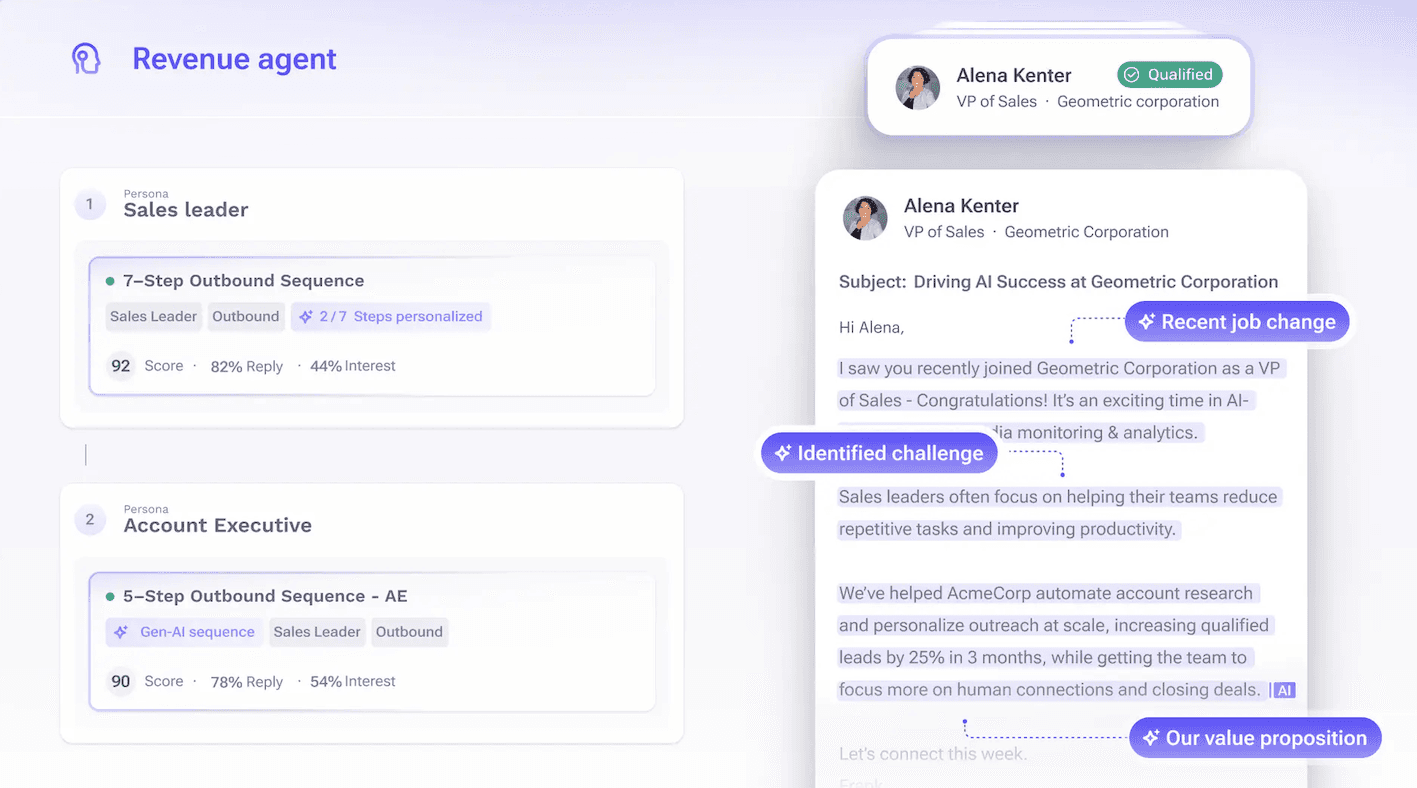
Its AI assistant, Kaia, helps sales representatives prepare for meetings, summarizes customer conversations, and recommends follow-up actions, giving managers more visibility into pipeline health and rep performance.
Feature highlights
Multi-channel sales engagement across email, calls, and tasks
AI-powered call summaries and coaching through Kaia
Pipeline forecasting and revenue reporting
Conversation intelligence and sales analytics
Native integrations with Salesforce, HubSpot, and major CRM platforms
Best suited for
Enterprise sales organizations running complex outbound programs with dedicated sales operations and RevOps teams.
Pricing
Pricing is available through custom enterprise quotes based on deployment size and selected products.
Common drawbacks
Higher cost than many sales engagement platforms
Longer implementation for enterprise deployments
Some advanced capabilities require additional products
Requires ongoing RevOps support for larger implementations
Comparing cost structures across tools
Every platform charges differently, and the cost model often has a bigger impact than the monthly fee.
While you are evaluating Salesloft alternatives, rather than checking which platform is the most affordable, it is more useful to compare how each one affects staffing, implementation, and long-term operating costs.
License vs. total cost of ownership
Enterprise sales platforms usually involve more than software licensing. Implementation, onboarding, CRM integrations, administration, and ongoing support all contribute to the total investment.
Salesloft, Outreach, and Qualified usually involve greater operational effort because of their enterprise focus.
Apollo combines several outbound capabilities into one subscription, while Breakout separates pricing from SDR headcount through a usage-based model.
Cost per meeting differences
Meeting costs vary depending on how much manual work happens before a meeting is booked. Platforms that rely on SDR-led qualification generally require additional staffing as outreach expands.
Platforms that automate qualification or combine multiple sales functions can reduce that operational effort, lowering the overall cost of generating a pipeline.
Scaling costs across models
Growth affects every pricing model differently. Platforms built around user licenses generally become more expensive as sales teams expand.
Usage-based pricing grows with demand instead of headcount, while freemium platforms often require upgrades as automation needs become more advanced.
A quick comparison of the pricing models of Salesloft alternatives
Platform | Pricing model | Main cost driver | Best suited for |
Breakout | Usage-based | Platform usage | AI-led inbound qualification |
Salesloft | Per user | SDR seats, implementation, add-ons | Mid-market and enterprise outbound |
Apollo.io | Per user | Users and prospecting volume | SMB and mid-market outbound |
Outreach | Custom enterprise | Users, product modules, implementation | Enterprise revenue teams |
Qualified | Custom enterprise | Salesforce deployment and setup | Salesforce-first inbound teams |
Time to pipeline across different models
Software pricing matters, but so does the time required before results appear. The longer the deployment, setup, and manual work take, the longer it can take to generate the pipeline.
Salesloft outbound ramp timelines
Salesloft supports structured outbound programs that depend on preparation before outreach begins. Teams typically spend time configuring the platform, building campaigns, assigning ownership, and refining messaging before outbound activity reaches full scale.
The process works well for mature sales organizations but may require more planning for leaner teams.
AI-first and automated models
AI-first platforms reduce the amount of manual work needed before conversations begin. Visitors receive immediate responses, qualification starts automatically, and meetings can be scheduled without waiting for SDR availability.
This allows businesses to engage inbound demand continuously instead of relying on business hours or rep capacity.
Impact on pipeline speed
Platforms built around outbound execution and those built around automated qualification create a pipeline differently. Choosing between them depends on whether your business relies more on outbound prospecting or inbound demand generation.
Why moving to AI-first SDR tools makes more sense in 2026
Salesloft still makes sense for companies running large outbound motions. But many SaaS businesses are trying to solve a different problem. They already have website traffic - they just need to convert more of it.
Breakout replaces manual qualification with AI-led conversations that engage buyers, answer questions, and schedule meetings instantly. That keeps the pipeline moving without adding more SDR seats or operational overhead.
A simple question to ask yourself: Do you need more SDRs, or do you need more qualified meetings?
See Breakout in action. Book a demo today!
FAQs
How much does Salesloft cost in 2026?
Salesloft pricing is not publicly available. Based on industry estimates and customer discussions, Salesloft cost is typically around $125 to $165 per user per month at list price.
After negotiations, the rates may fall between $100 and $130 per user per month for mid-market teams. Implementation, onboarding, and premium features usually cost extra.
What is the total cost of using Salesloft beyond the license?
Beyond subscription fees, Salesloft may require implementation services, user training, CRM integration work, premium add-ons, and ongoing operational support.
Businesses also need to consider the cost of managing SDR teams, since the platform is built around structured outbound execution.
How does Salesloft compare to tools like Apollo, Outreach, or Breakout in terms of cost?
Salesloft and Outreach both follow enterprise pricing models with custom quotes, making them better suited to larger sales organizations. Apollo offers transparent per-user pricing and lower entry costs for outbound teams.
Breakout takes a different approach with usage-based pricing, allowing companies to automate qualification and meeting booking without increasing SDR licenses as the team grows.
What is the best alternative to Salesloft for smaller teams?
The best Salesloft alternative depends on your goals. Apollo is a strong choice for teams focused on outbound prospecting with a smaller budget.
If your priority is converting inbound website traffic without expanding your SDR team, Breakout offers AI-led qualification, meeting scheduling, and usage-based pricing instead of per-user licensing.