


The buzz around 11X makes it tempting to jump in without reading what existing customers actually say. But the 11X reviews show a consistent theme: impressive demos followed by questions about performance, contract terms, and whether the results warrant the investment. You need to understand the real feedback before committing, so we're walking through verified user experiences, transparent pricing breakdowns, and solid alternatives worth considering.
TLDR:
11X's Alice AI agent automates outbound prospecting, email outreach, and meeting booking
User reviews across G2, Trustpilot, and Reddit show a gap between demos and results
11X targets companies wanting pipeline volume without scaling SDR headcount
Reviews reveal patterns of aggressive contracts and delivery frustration you should know
What Is 11X?
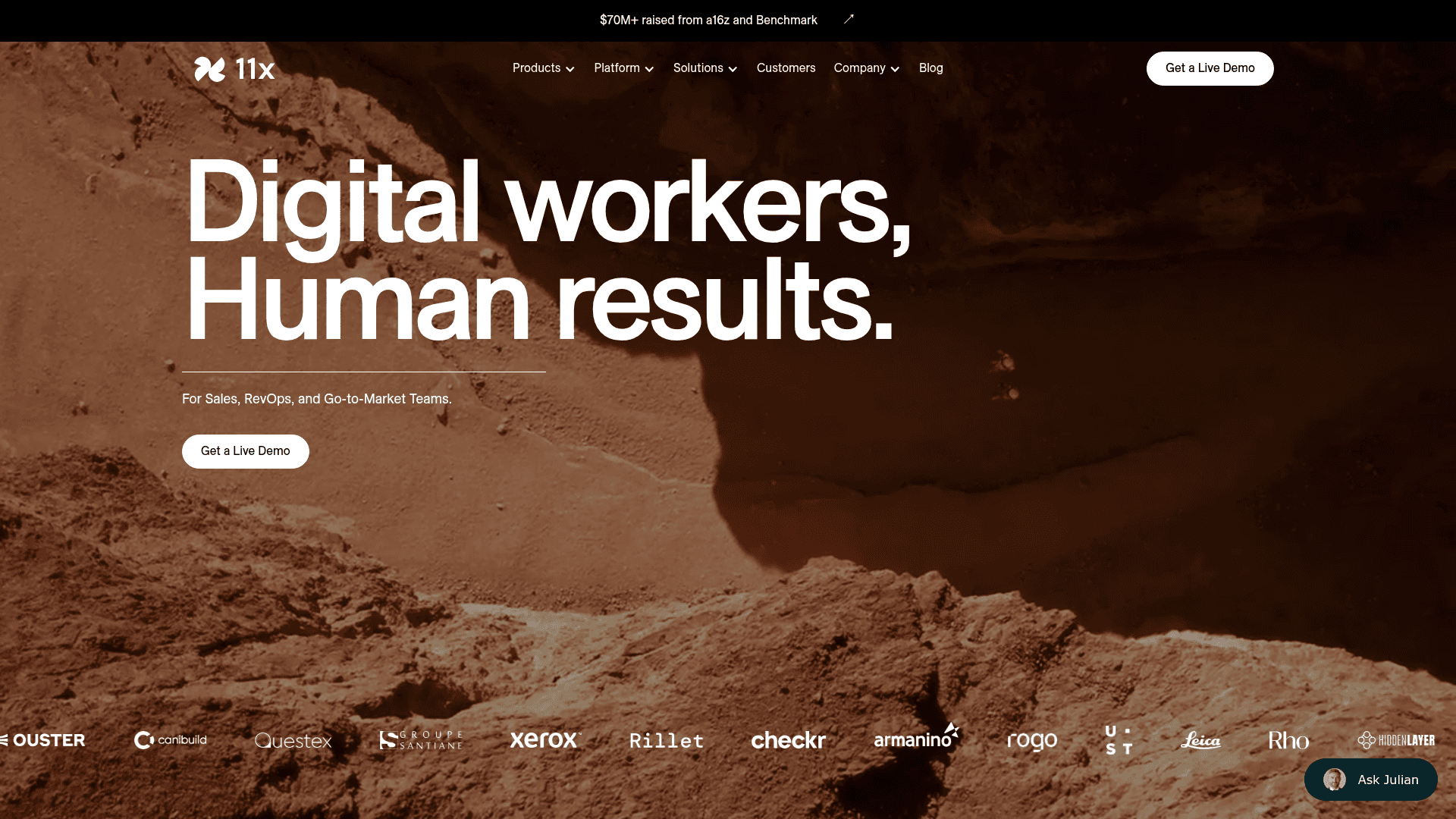
11X is an AI sales agent company that has generated substantial buzz and substantial skepticism in the go-to-market community. Before reviewing what users actually say about the product, it helps to understand what 11X is building and why it attracts the level of scrutiny it does.
11X positions itself around autonomous AI sales agents, primarily "Alice," a digital SDR designed to handle outbound prospecting without human involvement. The pitch is straightforward: replace or augment your human SDR team with an AI agent that researches prospects, writes personalized outreach, and books meetings around the clock.
That premise sounds appealing to any revenue leader trying to scale pipeline without scaling headcount. But the gap between the marketing narrative and the real-world experience is exactly what this review covers.
What 11X Claims to Offer
At a high level, 11X markets Alice as capable of:
Researching target accounts and contacts using data from multiple sources, building prospect lists without manual input from your AI SDR agent team
Writing and sending personalized cold emails and LinkedIn messages calibrated to each prospect's role, company context, and likely pain points
Following up autonomously across multiple touchpoints until a prospect responds or opts out
Booking meetings directly onto rep calendars when a prospect expresses interest, removing the handoff delay that often kills warm leads
Operating continuously without the ramp time, quota pressure, or turnover risk associated with human SDRs
The value proposition targets companies that want pipeline volume without the cost and management overhead of a large SDR team.
Tool Type | Primary Focus | User Feedback Pattern |
|---|---|---|
11X Alice | Autonomous outbound prospecting with cold email and LinkedIn outreach | Strong demos followed by questions about performance and contract terms |
Outbound AI SDR Tools | Generate net-new conversations through cold outreach to create awareness | Require oversight and cast a wider net with varied conversion rates |
Inbound AI SDR Tools like Breakout | Convert existing website visitors who are already showing intent | Higher conversion rates by engaging prospects with clear interest |
Human SDR Teams | Relationship-building and complex problem-solving with detailed understanding | Provide judgment and detailed conversation handling that AI cannot fully replace |
Why This Review Matters
The reviews picture for 11X is more complicated than the company's website suggests. Across G2, Trustpilot, and Reddit, users report a consistent pattern: strong initial demos, aggressive contract terms, and real frustration with the gap between promised and delivered results.
For a CMO or VP of Marketing assessing AI-powered outbound in 2026, that pattern is worth understanding in detail before signing anything. Go-to-market leaders who skip this step often find themselves locked into contracts that are hard to exit, even when results disappoint. This post covers what real users say, how pricing actually works, and which alternatives are worth considering if 11X does not fit your situation. Reading verified experiences from other buyers is one of the most direct ways to protect your budget and set accurate expectations for your team.
What Real Users Say About 11X
Reviews across G2, Trustpilot, and Reddit follow recognizable patterns worth examining before you commit. The most consistent theme is a disconnect between what gets shown in the sales process and what gets delivered after you sign.
Demo vs. Delivery Gap
The sales demo is where 11X tends to shine. Prospects see Alice booking meetings, personalizing outreach, and operating without manual intervention. The experience is polished and the potential feels real. Once contracts are signed and onboarding begins, though, the story shifts for a sizable portion of buyers.
Users on G2 frequently mention that message quality requires more human review than expected. The personalization that looked automatic in the demo often needs adjustment to avoid sounding generic or misfiring on prospect context. Several reviewers note that the first 30 to 60 days involve considerable iteration just to get output that feels acceptable to send.
For a revenue team that wanted to reduce SDR oversight, finding out that Alice still requires active management can feel like a reversal of the core promise. This does not mean the tool lacks value, but it does mean setting realistic expectations before you buy.
Contract Terms and Pricing Concerns
The contract structure at 11X draws some of the sharpest criticism across review sites. Users report annual commitments with limited flexibility if performance falls short of expectations. Some reviewers describe difficulty canceling or renegotiating terms even when results were below what was discussed during the sales process.
This matters because outbound results can vary widely depending on your target market, ICP clarity, and the competitiveness of the space you sell into. A contract that locks you in regardless of performance puts all the risk on the buyer. Before signing, ask about performance benchmarks, exit clauses, and what recourse exists if meetings booked do not convert to qualified pipeline.
Final Thoughts on 11X
User reviews paint a different picture than the sales materials, and that gap matters when you're deciding where to invest outbound budget. The appeal of autonomous AI agents is real, but so is the risk of overpromising tools with restrictive contracts. You deserve to see proof that an AI SDR can actually book quality meetings for your business before committing serious money or replacing human headcount. Asking for a short paid pilot before signing an annual deal is one of the clearest signals of a vendor confident in their own product.
Questions to Ask Before You Sign
Before you sign with any AI SDR vendor, ask for a reference call with a company that matches your ICP and has been a customer for at least six months. Ask them what onboarding actually looked like, how many meetings the tool books per month versus what was promised, and whether they would renew at the same price. Those three questions will tell you more than any demo. If a vendor hesitates to connect you with a reference, treat that reluctance as important data.
If you are considering replacing or supplementing your outbound motion, it is worth separating the question of tool quality from the question of channel fit. Cold outbound has lower response rates than converting warm inbound traffic, regardless of how well the AI performs. Inbound AI SDRs like Breakout focus on prospects who are already on your site and showing interest, which changes the math considerably. Testing both approaches with clear benchmarks, instead of committing everything to a single vendor, gives you the data you need to allocate budget with confidence.
FAQ
When should you consider looking for alternatives to 11X?
You should consider alternatives if you're experiencing a gap between promised and actual results, struggling with aggressive contract terms, or finding that the autonomous AI agent requires more oversight than expected. Many users also switch when they need more control over messaging quality or want pricing transparency before commitment.
What should you focus on when comparing AI SDR alternatives?
Focus on contract flexibility, realistic performance expectations based on verified user reviews, and transparent pricing structures that align with your budget. You should also assess the level of human oversight required, integration capabilities with your existing tech stack, and whether the tool handles inbound, outbound, or both motions.
How does an AI inbound SDR differ from an outbound-focused tool like 11X?
An AI inbound SDR like Breakout focuses on converting existing website visitors who are already showing interest, while outbound tools like 11X generate net-new conversations through cold outreach. Inbound solutions typically see higher conversion rates because they engage prospects who have shown intent, whereas outbound tools cast a wider net to create awareness.
Can AI sales agents completely replace human SDRs?
No AI agent can fully replace human judgment, relationship-building, and complex problem-solving that experienced SDRs provide. AI works best when it handles repetitive tasks like initial qualification, research, and follow-up scheduling, allowing your human team to focus on high-value conversations and deals that require detailed understanding.
What's the typical implementation timeline for AI SDR tools?
Most AI SDR platforms require 2-3 hours for initial setup, with full optimization taking 1-2 weeks depending on your workflow complexity and integration requirements. However, achieving consistent results often takes 30-60 days as you refine messaging, targeting parameters, and handoff processes between AI and human team members.