All Blogs
A practical guide to picking AI SDR tools that fit your GTM setup.

Evan Marshall
Senior Growth AI Strategist
Published On
Most teams don’t just struggle because they lack tools.
They also struggle because they choose the wrong ones.
AI SDR tools have quickly become one of the most crowded categories in B2B.
Every tool promises more automation, more leads, and better results. On the surface, they look similar. So teams do what feels logical.
They pick what’s popular.
What’s affordable
What everyone else seems to be using
That’s where things start to go wrong.
Choosing an AI SDR tool is not about picking the “best” tool in general.
It is about picking the right type of tool for your growth motion.
A tool built for outbound automation will not solve an inbound conversion problem. A chatbot will not replace a proactive sales motion. And a cheaper tool that drives activity but not meetings will quietly drain your pipeline.
This is where most ROI gets lost.
The gap between a good choice and a wrong one is not small. It shows up in wasted spend, low-quality pipeline, and months of missed revenue.
Teams often optimize for price or features, without asking the one question that actually matters.
“Will this tool help us convert intent into meetings?”
In 2026, the advantage will not come from using AI SDR tools. It will come from choosing it correctly.
The 3 Types of AI SDR Platforms
Most AI SDR tools look similar on the surface. They are not.
If you skip this step and jump straight to comparing features, you will end up choosing the wrong product.
All AI SDR tools fall into three distinct categories. Each one is built for a different job. Each one produces a different outcome.
Understanding this is what separates high-performing teams from everyone else.
1. Inbound AI SDR
Inbound AI SDRs are built to act on intent signals.
They monitor buyer behavior across your website and identify when a visitor is showing real interest. Then they engage instantly, while that intent is still high.
What defines this category:
Triggered by real-time behavior (pricing page visits, repeat sessions, high-intent actions)
Identifies anonymous visitors and enriches them
Sends personalized outreach based on context
Focuses on booking meetings, not just generating responses
Example: Breakout
These tools are designed to convert demand that already exists.
2. Outbound Automation AI SDR
Outbound AI SDRs are built for scale.
They take a list of prospects and automate outreach across email and LinkedIn. The goal is to generate replies and create pipeline from scratch.
What defines this category:
Cold email and LinkedIn automation
Sequence-based outreach
Lead list building and enrichment
Focus on activity and volume
Examples: Artisan, AiSDR
These tools are effective when you need to create demand. But they rely heavily on timing, targeting, and messaging quality.
3. Conversational AI SDR
Conversational AI SDRs operate as website chatbots.
They engage visitors in real time, answer questions, qualify leads, and route conversations to sales when needed.
What defines this category:
On-site chat and conversational interfaces
Lead qualification workflows
Meeting booking via chat
Focus on engagement and support
Examples: Drift, Qualified
These tools are strong in PLG environments but depend on visitors initiating interaction.
Comparison: The 3 Types of AI SDR Tools
Most AI SDR tools look similar, but they work very differently.
Each type is triggered by a different signal, takes a different action, and delivers a different outcome. That is why choosing without understanding this leads to poor results.
This breakdown helps you match the tool to your GTM motion, not just its features.
Type | Trigger | Primary Action | Output | Best For |
Inbound AI SDR | Intent signals | Proactive outreach | Meetings | Converting existing demand |
Outbound AI SDR | Lead lists | Cold outreach at scale | Replies | Creating pipeline |
Conversational AI SDR | Website visits | Real-time chat | Conversations | PLG and engagement |
How to Choose Based on Your GTM Motion
Choosing the best AI SDR tool depends on one thing.
Where your pipeline comes from.
Most teams don’t get this wrong because they lack options. They get it wrong because they ignore their own GTM reality. They buy outbound tools when they already have inbound demand.
They add chatbots when they need proactive conversion.
Here’s how to choose correctly.
If you are inbound-heavy → Choose inbound AI SDR Tools
If your pipeline is driven by:
Website traffic
Paid campaigns
Content and SEO
Returning visitors from target accounts
Then your biggest problem is not lead generation. It is missed intent.
Most companies lose high-intent buyers every day because no one engages them in real time. A visitor checks your pricing page, compares alternatives, and leaves. That opportunity is gone.
Inbound AI SDR tools are built to fix exactly this.
It identifies who is visiting, understands what they are doing, and reaches out while intent is still high.
This is where platforms like Breakout stand out.
Instead of adding more leads into the funnel, it converts the demand you already have into meetings. That shift alone can unlock significantly higher ROI without increasing spend.
Choose this if:
You already have consistent traffic or inbound interest
You want more meetings without increasing acquisition cost
You care about timing, intent, and conversion efficiency
If your motion is outbound-driven → Choose outbound AI SDR software
If your pipeline depends on:
Cold email
LinkedIn outreach
Prospecting lists
Then, outbound AI SDR tools help you scale.
It automates outreach and follow-ups so your team can reach more accounts faster.
But this comes with a tradeoff.
Outbound is built on interruption, not intent. You are reaching out before the buyer is ready. That means lower response rates, lower conversion, and higher effort.
This is why many teams using outbound tools still struggle with pipeline quality. The system creates activity, but not necessarily outcomes.
Choose this if:
You have limited inbound demand
You need to create pipeline from scratch
You are willing to trade efficiency for reach
If you run PLG or self-serve → Choose conversational AI SDR software
If your growth model is product-led, your website plays a different role.
Users explore on their own. They sign up, test the product, and only engage sales when needed.
Conversational AI SDR tools support this motion by:
Answering questions in real time
Guiding users through the product
Booking demos when intent is explicit
But these tools are reactive. They depend on the user taking the first step.
They don’t actively convert anonymous, high-intent visitors who leave without interacting.
Choose this if:
You have high self-serve traffic
Your sales motion is user-initiated
You want to assist, not drive, conversion
Real takeaway:
Inbound AI SDR tools convert existing demand.
Outbound AI SDR tools create demand through scale.
Conversational tools support demand when users engage.
If your goal is more meetings without more spend, the leverage is in conversion. That is why inbound AI SDR platforms are becoming the default choice for modern GTM teams.
Features That Actually Matter (and what doesn’t)
Most AI SDR tools compete on features, but very few of those features actually drive meetings.
What Matters:
1. Intent signals
Timing drives conversion. Reaching a buyer when they are actively researching or showing interest will always outperform cold outreach sent without context.
2. Autonomous action
The best AI SDR platform does not wait for manual input. It identifies opportunities and acts on them instantly. This reduces delays and increases chances of conversion.
3. Personalization depth
Basic placeholders are no longer enough. Effective personalization is built on real context. This includes buyer behavior, company insights, and relevance in the moment.
What Doesn’t:
1. Email volume: Sending more emails creates activity, not results. High volume often leads to lower quality engagement and diminishing returns.
2. Generic AI copy: Well-written but context-free messages get ignored. Without relevance, even good copy fails.
3. Vanity metrics: Open rates and click rates look impressive, but do not reflect pipeline or revenue. Meetings and conversions are what matter.
7 Questions to Ask Before Choosing an AI SDR
Most teams evaluate AI SDR tools based on features alone.
Features alone don’t tell you how a tool performs. These questions do. Each one uncovers whether the software will actually drive meetings or just create activity.
1. Does it act on intent or just automate tasks?
This is the most important filter.
Tools that automate tasks follow schedules.
Tools that act on intent follow buyer behavior.
That difference defines conversion.
If your AI SDR sends messages based on sequences, it is guessing. If it triggers outreach based on real-time actions, such as pricing page visits or repeat sessions, it is acting with context.
Intent-driven systems reach buyers when they are ready.
Task-driven systems reach them when it’s convenient.
Only one of these converts consistently.
2. Does it book meetings or just generate replies?
Replies are not outcomes.
Many tools optimize for opens, clicks, and responses because they are easy to measure. But none of these directly translates to revenue.
A strong AI SDR should move the conversation forward and book meetings automatically.
If your team still has to step in after a reply, the system is incomplete.
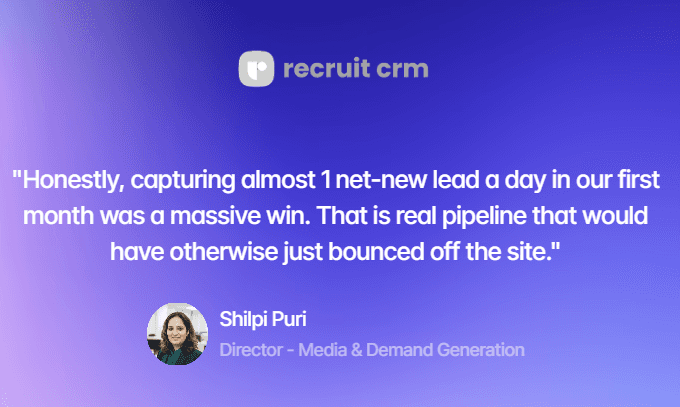
How Breakout helped RecruitCRM in this case:
For Recruit CRM, the shift was clear.
Instead of SDRs chasing replies and qualifying manually, Breakout handled the interaction end-to-end and pushed conversations toward booked meetings.
This reduced effort while increasing qualified pipeline.
If your team still has to step in after a reply, the system is incomplete.
3. Can it identify anonymous website visitors?
Most of your pipeline is invisible.
Up to 98% of website visitors never fill out a form. That does not mean they are unqualified. It means they were never engaged.
If your AI SDR cannot identify these visitors, you are ignoring the majority of your demand.
The right tool should:
Recognize companies visiting your site
Enrich them with relevant data
Trigger outreach without requiring a form fill
This is where a significant portion of missed revenue sits.
4. Does it integrate with CRM and enrichment tools?
Without integration, your AI SDR operates in isolation.
That leads to:
Poor personalization
Duplicate efforts
Broken attribution
Your AI SDR should connect seamlessly with your CRM and enrichment stack so it can:
Pull historical context
Update records in real time
Track meetings and pipeline impact
If it cannot tie actions to revenue inside your CRM, you cannot measure ROI.
5. How much manual work is still required?
AI should reduce effort, not shift it.
If your team still needs to:
Build lists
Write sequences
Monitor campaigns
Qualify leads manually
Then the tool assists SDRs, not replaces repetitive work.
The best AI SDR tool operates autonomously. It identifies opportunities, engages prospects, and books meetings with minimal human input.
Manual-heavy tools don’t scale. They just move work around.
6. Is it replacing SDRs or assisting them?
This is a strategic question.
Some tools position themselves as “AI SDRs” but only support human reps. They make SDRs slightly more efficient but do not change the underlying process.
Others are built to handle the entire workflow end-to-end.
If your goal is:
Incremental efficiency → assistance is enough
Scalable pipeline without headcount → you need replacement-level automation
Clarity here prevents misaligned expectations.
7. What’s the cost per meeting (not per seat)?
Pricing can be misleading.
Per-seat or per-email pricing tells you what you are paying for usage. It does not tell you what you are getting in return.
The only metric that matters is:
“How much are you paying for each booked meeting?”
A cheaper tool that generates a low-quality pipeline is more expensive in the long run. A higher-priced tool that consistently books meetings delivers better ROI.
This question forces you to evaluate outcomes, not inputs.
The takeaway:
These questions shift your evaluation from features to outcomes. The right AI SDR tool is not the one with the most capabilities. It is the one that consistently turns intent into meetings.
If a tool cannot answer these questions clearly, it is not built to drive revenue.
Best AI SDR Platforms by Use Case
1. Breakout - Best for inbound conversion
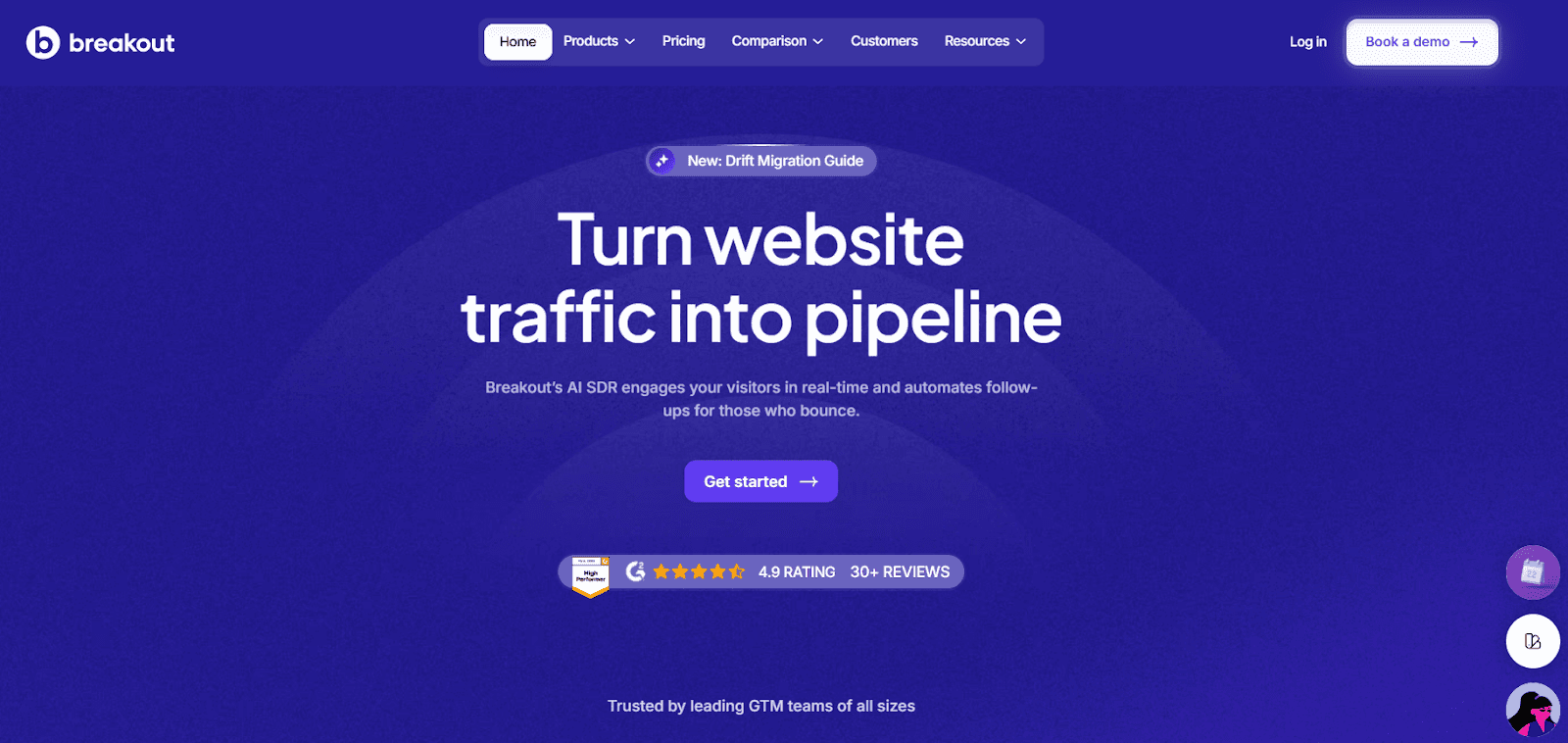
Breakout is built for a simple goal.
Turn the demand you already have into meetings.
Most buyers don’t convert on their first visit. They browse, compare, come back, and then leave. Not because they are not interested, but because no one engages them at the right moment.
Breakout focuses on that moment.
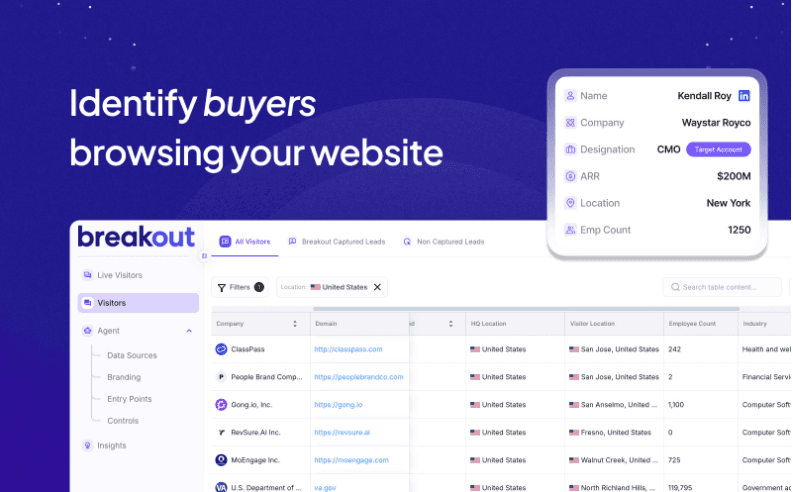
It tracks real-time behavior across your website and picks up signals that actually matter. A repeat visit. Time spent on pricing. Multiple pages viewed in one session. These are not random actions. They indicate intent.
Instead of waiting for a form fill, Breakout steps in early.
It identifies the account, understands the context, and reaches out while the interest is still high. The outreach feels relevant because it aligns with what the buyer is already doing.
This is what inbound-led outbound looks like in practice.
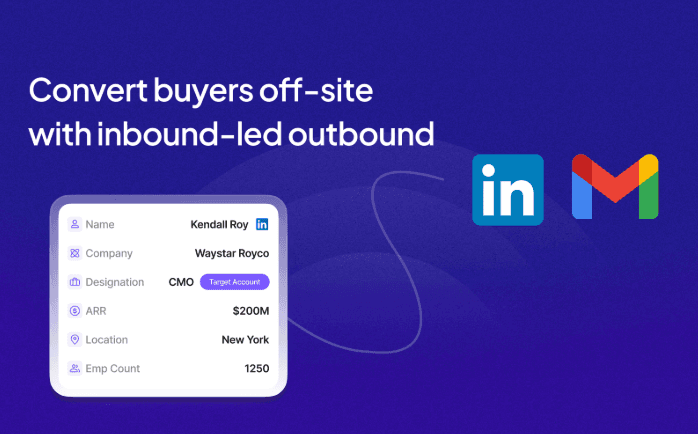
You are not sending cold messages hoping for a response. You are following up on real interest. That makes conversations easier to start and faster to convert.
It also does not stop at the first touch.
Breakout continues the interaction. It responds, qualifies, and moves the conversation forward until a meeting is booked. It feels less like automation and more like a timely, helpful nudge in the buying journey.
The impact is clear.
You capture buyers who would have otherwise left.
You rely less on cold outbound.
You convert more without increasing spend.
If your pipeline depends on timing and intent, this is where the real leverage is.
2. Best for outbound pipeline creation - Outbound AI SDR tools (e.g., Artisan, AiSDR)
These tools are built to scale outbound.
Platforms like Artisan automate prospecting, research, and outreach across large contact databases, allowing teams to run campaigns at volume.
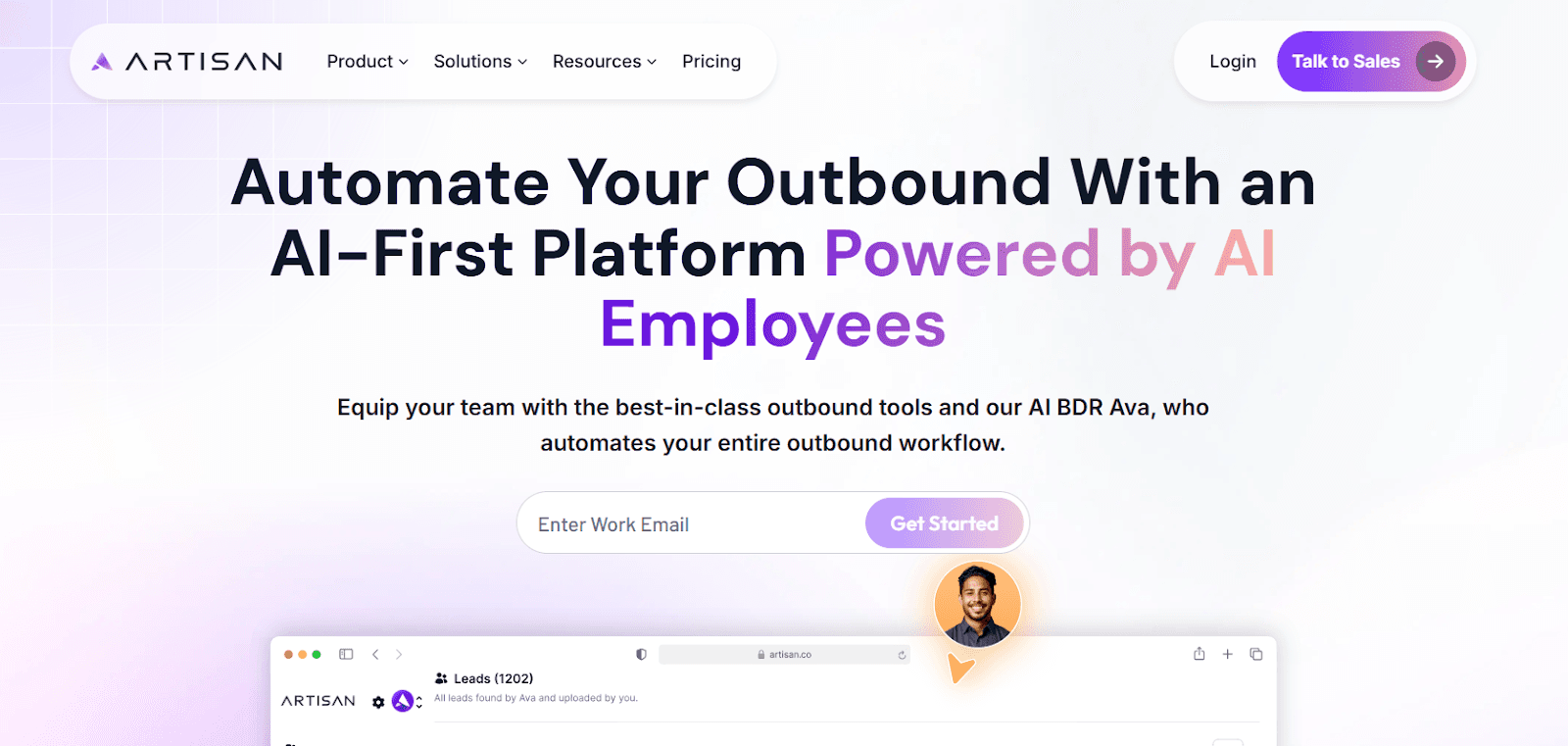
AiSDR takes a similar approach but leans more into multichannel outreach and real-time data signals to improve targeting and engagement.
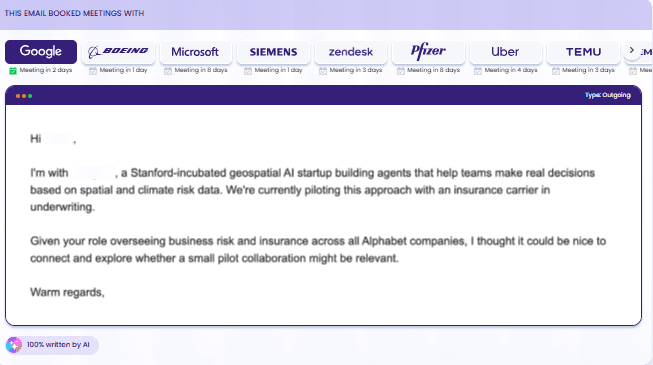
The strength here is reach. You can contact thousands of prospects quickly and generate pipeline from scratch.
The tradeoff is efficiency. Since outreach is not always tied to real-time intent, conversion depends heavily on timing, targeting, and messaging quality.
Use this if you need to create demand, not convert it.
3. Best for conversational engagement - AI SDR tools (e.g., Breakout, Qualified)
Tools like Breakout focus on real-time interaction.
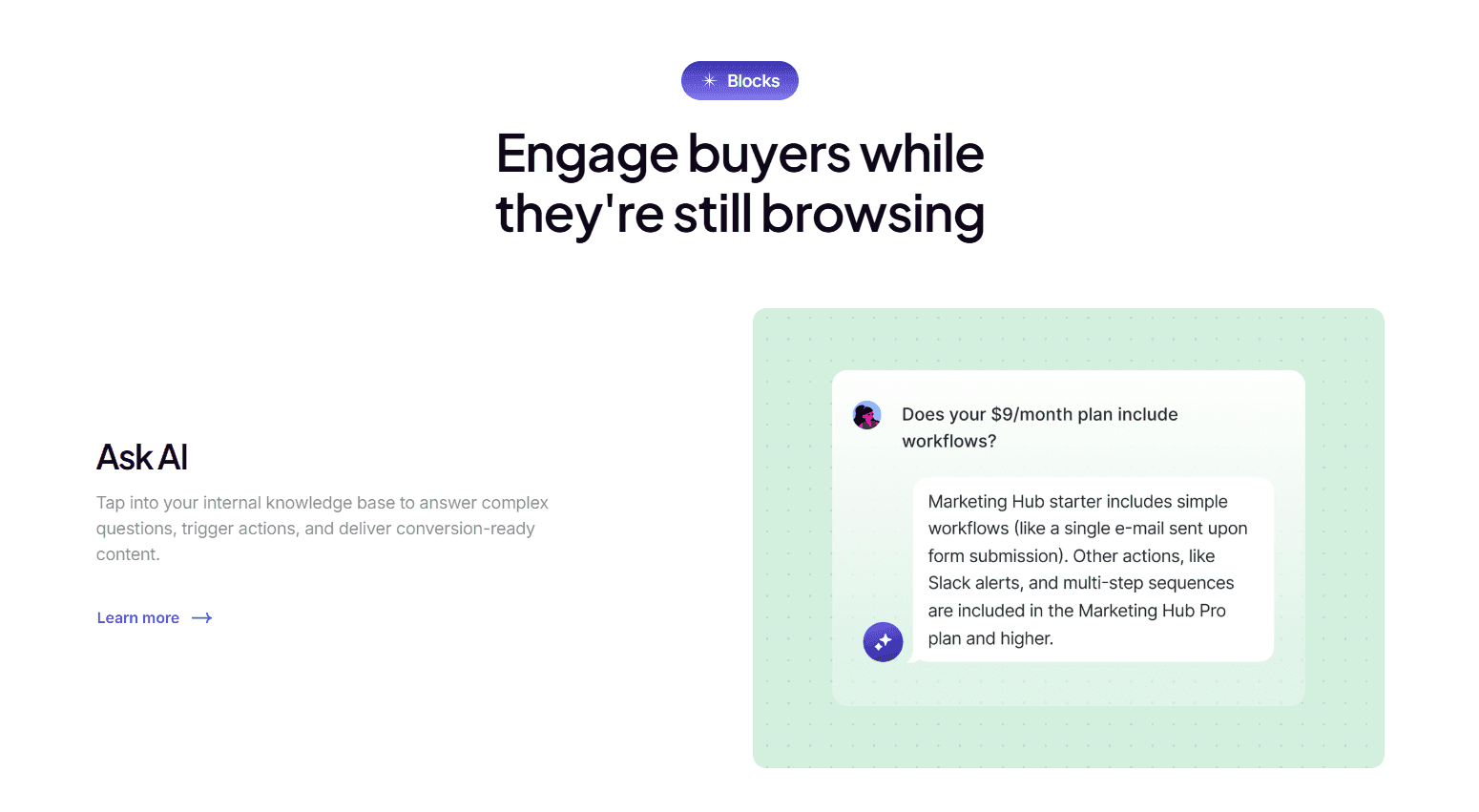
They engage visitors on your website, answer questions, qualify leads, and route conversations when needed. But that is only one part of how they work.
Tools like Qualified work well in product-led or self-serve environments where users prefer to explore before talking to sales. They depend on the visitor starting the conversation. They help capture demand. They don’t actively create or convert it at scale.
Breakout goes further.
It does not wait for the visitor to act. It identifies high-intent behavior, understands context, and engages proactively. Conversations are triggered by intent, not clicks.
This shifts the model.
Instead of reacting to demand, Breakout actively converts it. It combines proactive outreach with conversational engagement, so every high-intent visitor has a higher chance of turning into a meeting.
That is the difference between assisting a journey and driving it forward.
Final thoughts
Choosing the right AI SDR tool is not a small decision.
It directly impacts how your pipeline is built, how efficiently your team operates, and how much revenue you generate.
Most teams focus on features or pricing. That is where ROI gets lost. A tool that creates activity without converting intent will cost more in the long run, even if it looks cheaper upfront.
The real leverage comes from choosing tools that align with your growth motion.
This is where Breakout stands out.
Instead of adding more leads to your funnel, Breakout converts the demand you already have. It identifies high-intent visitors, engages them in real time, and turns missed opportunities into booked meetings.
If your goal is more pipeline without more spend, the answer is not more outreach. It is better conversion.
If you want to see how Breakout works, book a demo and see it in action.
FAQs
1. What is the best AI SDR tool?
The best AI SDR tool depends on your GTM strategy. Inbound AI SDRs are best for converting existing demand. Outbound tools are better for creating pipeline.
2. Are AI SDR platforms worth it?
Yes, if they focus on booking meetings and acting on intent. No, if they only automate outreach.
3. What should I look for in AI SDR tools?
Look for:
Intent signals
Autonomous execution
CRM integration
Cost per meeting