
All Blogs
A plain-English look at Breakout and Artisan so you can see which one fits better.

Evan Marshall
Senior Growth AI Strategist
Published On

You need an AI sales assistant that fits the way your team actually generates pipeline, and the breakout vs artisan comparison highlights two very different approaches. Artisan automates cold outbound with templated sequences across a massive contact database. Breakout focuses on the buyers showing intent right now, turning website visitors into qualified meetings without manual SDR coverage. We're comparing pricing, personalization depth, and integration flexibility so you can see which one solves the problem your revenue team is actually stuck on.
TLDR:
Artisan handles outbound email automation; Breakout converts inbound website traffic into pipeline.
Breakout adapts messaging based on real-time buyer behavior, not static persona data.
Artisan requires annual contracts and custom quotes; Breakout offers monthly plans with public pricing.
Breakout syncs CRM data in real time while Artisan relies on a static 300M contact database.
Breakout qualifies and books meetings autonomously; Artisan hands conversations back to your reps.
What is Artisan?
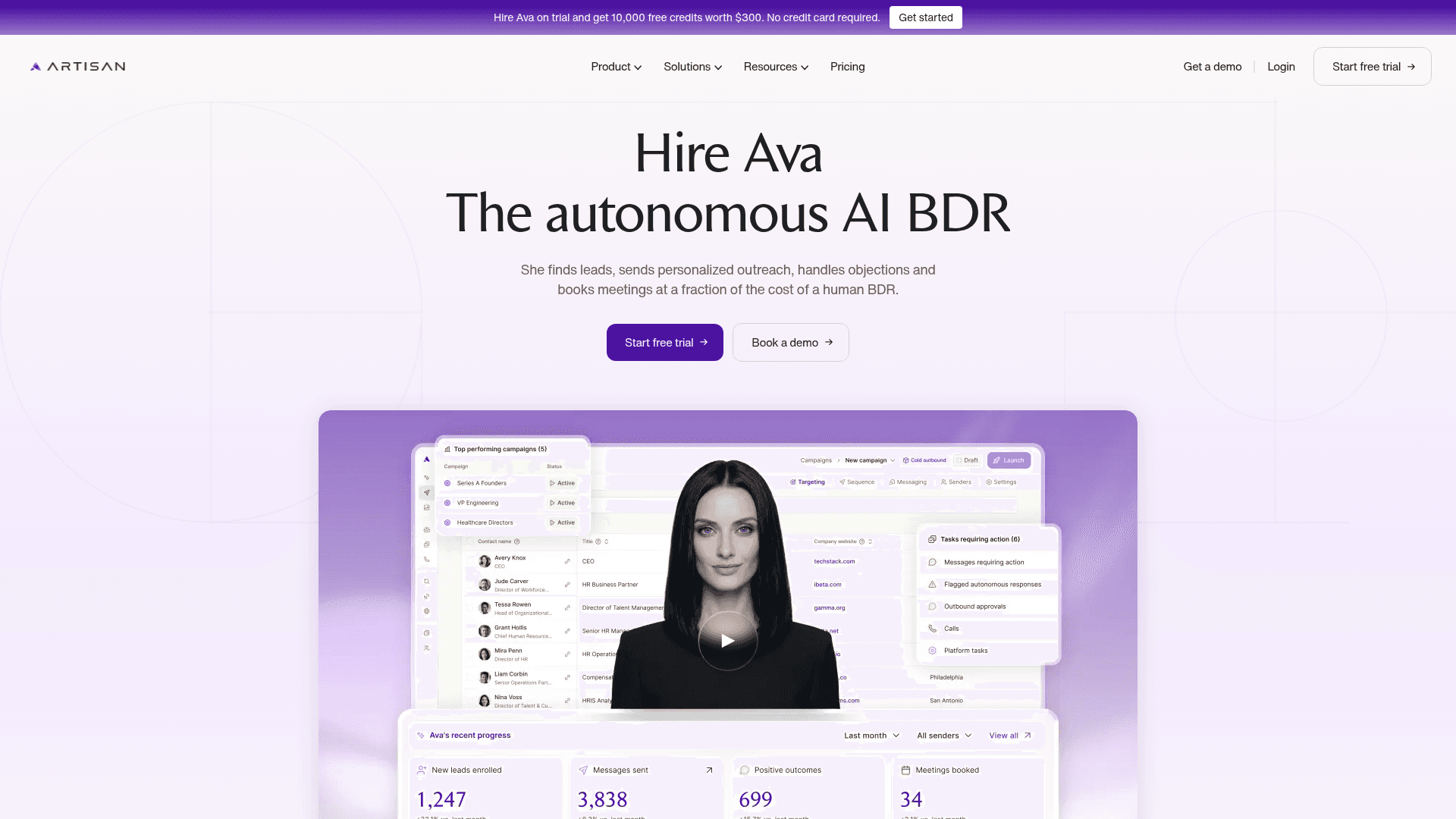
Artisan is an AI sales automation company built around Ava, an AI BDR for outbound. To understand how this fits into the broader category, check out our guide to AI SDRs. Ava taps into a database of over 300 million contacts to source leads, draft personalized emails, and run multi-channel sequences across email and LinkedIn, with meeting scheduling handled automatically.
The product targets small to mid-sized B2B sales teams that need to scale outbound without adding headcount. It covers the repetitive parts of the SDR role reasonably well, and if your go-to-market follows a fairly standard outbound playbook, Ava fits in without much friction. A detailed Artisan product review and an Artisan vs AI SDR breakdown cover its specific strengths in depth.
What is Breakout?
Breakout is an AI inbound SDR built for B2B software teams that want to convert website traffic into pipeline without relying on forms, slow follow-ups, or manual SDR coverage. Where Artisan focuses on cold outbound, Breakout focuses on the buyers already showing up.
The AI identifies anonymous visitors in real time, figures out who they are and what they care about, and responds with tailored content instead of a generic chat prompt. It answers product questions, surfaces relevant demos, and qualifies prospects based on actual buying signals rather than submitted form data. High-intent visitors get routed to the right rep automatically, and follow-up sequences trigger without anyone needing to press a button.
The founding team came out of Google and raised $3.25 million in seed funding to go after a problem most GTM teams know well: the average website converts less than 1% of visitors into booked meetings.
Inbound vs Outbound Focus
Artisan is built around outbound sales automation, with its AI agent Avi focused on prospecting, email sequencing, and cold outreach at scale. If your team runs primarily outbound motions, Artisan handles much of that workflow automatically.
Breakout takes a different angle. It focuses on inbound lead conversion, specifically on engaging website visitors as they show intent. Rather than reaching out cold, Breakout responds to buying intent as it happens with warm outbound, which tends to produce higher-quality conversations and faster pipeline movement.
For Series B+ teams running both motions, this distinction matters. If outbound automation isn't delivering, explore Artisan alternatives that take a different approach. Outbound volume is easy to buy. Converting the inbound demand you've already paid to generate is where the leverage is, and that's the gap Breakout is built to close.
Personalization and Engagement Quality
Artisan's AI agent, Ava, sends personalized outreach based on job title, industry, and firmographic signals. The result is reasonably relevant messaging, but it follows a template-driven logic that tends to plateau once initial variables are exhausted.
Breakout goes further by building continuously updated buyer profiles that include behavioral signals, engagement history, and real-time intent data. Your outreach adapts as a prospect moves through the funnel, beyond the first touch alone. Personalization reflects where a buyer actually is, not where they were when the sequence started.
For teams managing large prospect volumes, this distinction matters. Generic personalization erodes response rates over time, while context-aware messaging sustains engagement across longer sales cycles. Breakout's approach is built for the latter.
Pricing and Contract Flexibility
Pricing structures often determine whether an AI sales tool actually fits your budget at scale. Artisan operates on a quote-based model with no public pricing, which means longer sales cycles just to get a number. Breakout takes a more transparent approach, offering tiered plans that scale with your team size and usage.
Contract flexibility matters too. Artisan typically requires annual commitments upfront, which creates risk if the tool underperforms. Breakout offers monthly options alongside annual plans, giving revenue teams room to evaluate before locking in.
For Series B+ companies managing tight CAC targets, that flexibility is worth considering seriously. You want a vendor whose pricing grows with you without punishing you for scaling or pivoting your outbound strategy mid-year.
Artisan requires custom quotes with no self-serve pricing visibility, adding friction to your evaluation process.
Breakout provides transparent, tiered pricing so your finance team can model costs without a discovery call.
Monthly contracts from Breakout reduce commitment risk during the evaluation period.
Feature | Breakout | Artisan |
|---|---|---|
Primary Focus | Converts inbound website traffic into qualified meetings without manual SDR coverage | Automates cold outbound with templated email sequences across a 300M contact database |
Personalization Method | Builds continuously updated buyer profiles using behavioral signals and real-time intent data | Sends personalized outreach based on job title, industry, and firmographic signals |
Pricing Transparency | Offers transparent tiered pricing with monthly and annual plan options | Requires custom quotes with no public pricing and annual contracts |
Data Approach | Combines real-time data enrichment with dynamic CRM sync for current buyer signals | Pulls from a proprietary static database of over 300 million contacts |
Data Quality and Integration Capabilities
Artisan pulls prospect data from a proprietary database of over 300 million contacts, which sounds impressive until you realize static databases go stale fast. Breakout takes a different approach, combining real-time data enrichment with dynamic CRM sync so your pipeline reflects actual, current buyer signals rather than cached snapshots.
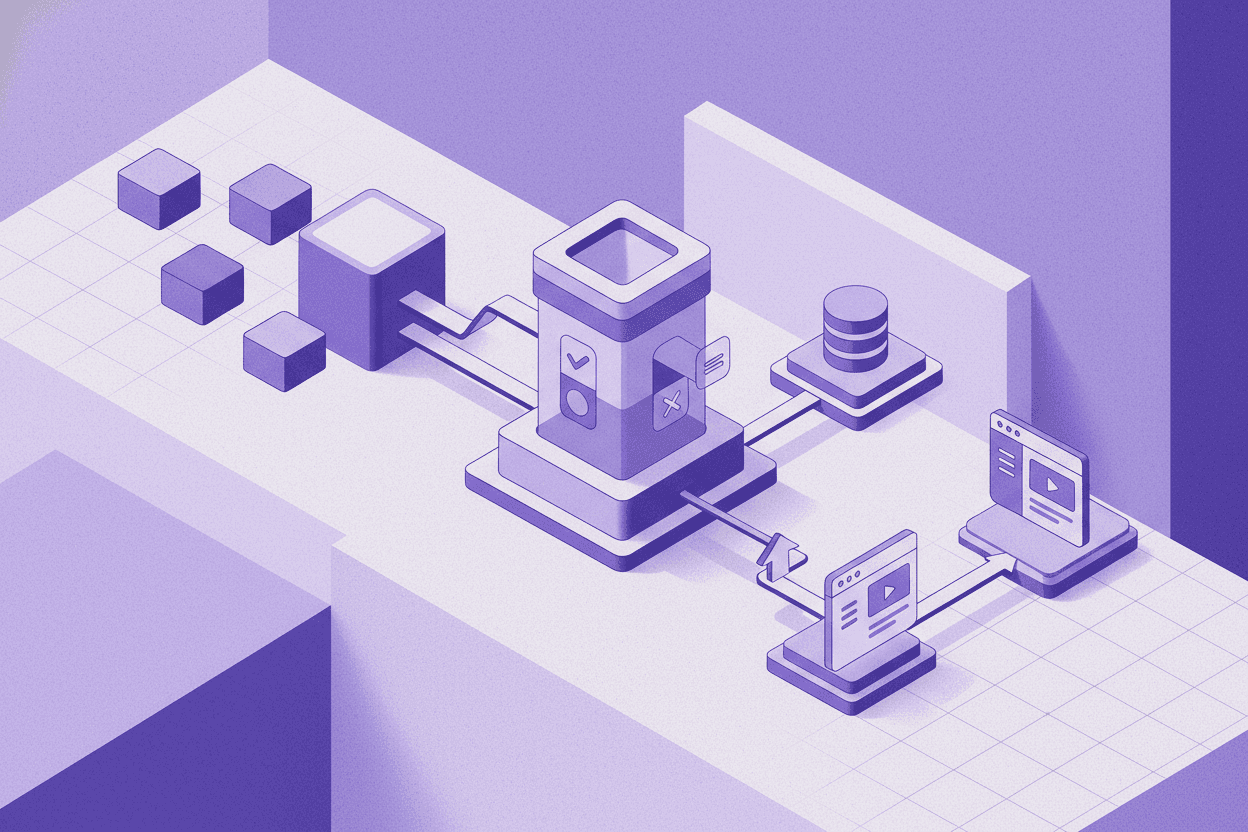
On the integration side, Artisan connects with standard CRMs but requires more manual configuration to get workflows running. Breakout is built to plug into existing go-to-market stacks without lengthy setup cycles, supporting bi-directional data flow that keeps records clean across tools. Learn more about choosing the right AI SDR tools for your stack.
For a Series B+ revenue team choosing AI SDR tools, data hygiene is not a minor tactical detail. Stale contact data inflates bounce rates, wastes rep time, and corrupts the attribution models your CFO relies on. The question is which tool has more records versus which one keeps those records accurate as your market moves.
Why Breakout is the Better Choice
Breakout takes a different approach to AI sales automation that closes the gaps Artisan leaves open. Where Artisan focuses heavily on outbound email sequences, Breakout is built around intelligent conversation across the full sales cycle, from first touch through closed-won.
Breakout's AI sales assistant learns your product, your ICP, and your messaging to hold contextual, multi-turn conversations with prospects, not just send templated follow-ups. It handles inbound and outbound simultaneously, qualifies leads in real time, and books meetings without human intervention.
For a Series B+ team running volume at scale, that difference matters. Artisan requires your reps to still own the conversation once interest is signaled. Breakout owns the conversation entirely until a meeting is confirmed.
Where Breakout Pulls Ahead
The AI adapts tone and messaging based on prospect behavior, not just persona tags, so replies feel responsive rather than robotic.
Meeting qualification happens inside the conversation, meaning your reps get handed warm, context-rich handoffs instead of cold calendar invites.
Setup is designed for revenue teams, not engineers, so you get to pipeline faster without a lengthy technical onboarding. For a detailed comparison with another popular tool, see Breakout vs. Qualified.
Final Thoughts on Breakout and Artisan for B2B Sales
Your choice comes down to where you're bleeding pipeline. Artisan handles outbound volume, but Breakout catches the buyers you've already paid to attract before they disappear. Most Series B+ teams have plenty of website traffic and not enough meetings to show for it. If that sounds familiar, try Breakout to see how much pipeline you've been leaving on the table.
FAQ
How do I decide between Breakout and Artisan for my sales team?
Start by examining where your pipeline gaps actually are. If you're losing deals because inbound traffic leaves your site before engaging, Breakout solves that by converting visitors in real time. If your primary challenge is generating net-new cold outbound volume, Artisan's email sequencing will fit better.
What's the main difference in how each platform handles personalization?
Artisan uses firmographic and job title data to personalize initial outreach, which works well for cold email templates. Breakout builds dynamic buyer profiles that update based on behavioral signals and engagement history, so messaging adapts as prospects move through your funnel instead of staying static after the first touch.
Which teams get the most value from Breakout versus Artisan?
Breakout is built for Series B+ software companies that generate meaningful website traffic but struggle to convert it without slow follow-ups or form friction. Artisan serves small to mid-sized sales teams running high-volume outbound motions where templated sequences can scale prospecting without adding headcount.
Can I test Breakout without committing to an annual contract?
Yes, Breakout offers a free 30-day trial on the Signals Plan with no credit card required, and you can choose monthly billing on paid plans to reduce commitment risk during evaluation. Artisan typically requires annual contracts upfront, which creates longer evaluation cycles and more financial risk if the tool underperforms.


