All Blogs
Compares inbound vs outbound sales for B2B teams, covering key differences, costs, and when to use each — plus how to run both motions together.

Evan Marshall
Senior Growth AI Strategist
Published On

Picking between inbound and outbound sales feels like a clean either/or decision until your pipeline dries up and you realize you've been over-relying on one. Here's how the two motions actually differ and how to figure out the right mix for where your team is right now.
TLDR:
Inbound leads arrive with buying intent already present; outbound leads require your reps to build it from scratch.
Inbound costs more upfront but cost per lead drops over time; outbound scales faster but cost per acquisition stays fixed.
Choose outbound when your total addressable market is too small to wait for organic demand, or when buyers don't yet know a solution exists.
Most scaling B2B revenue teams run both motions, with inbound handling demand capture and outbound handling demand creation.
Breakout scores and routes inbound leads automatically while triggering outbound sequences the moment a prospect shows intent, keeping both motions in a single pipeline.
What Is Inbound Sales?
Inbound sales is a model where prospects come to you first. They find your content, read your resources, request a demo, or fill out a contact form, and your sales team responds to that expressed interest.
The core idea is that by the time a rep picks up the phone, the buyer has already self-educated. They know what problem they have, they've reviewed options, and they're closer to a decision. Your job is to guide them through the final stretch, not convince them a problem exists.
This approach works especially well for complex B2B products where buyers research heavily before engaging a vendor, and where AI SDR tools are increasingly handling first-touch follow-up.
What Is Outbound Sales?
Outbound sales is rep-initiated. Your team identifies targets, contacts them cold, and works to build interest in people who have not yet raised their hand.
The mechanics span several channels: cold calling, cold email sequences, LinkedIn outreach, event prospecting, and paid advertising. The channel changes, but the underlying logic stays the same. Your reps go looking for opportunities instead of waiting for them to arrive.
A few concrete examples of what this looks like in practice:
An AI BDR builds a list of VP of Sales contacts at Series B SaaS companies and runs a personalized cold email sequence
A rep works the floor at an industry conference, qualifying attendees and booking follow-up calls on the spot
A team runs LinkedIn ads targeting a specific job title, then follows up directly with those who clicked
The defining difference from inbound is that the prospect has not signaled buying intent yet. That gap makes early conversations harder, but it also gives you full control over who you pursue and when.
Inbound vs Outbound Sales: Key Differences
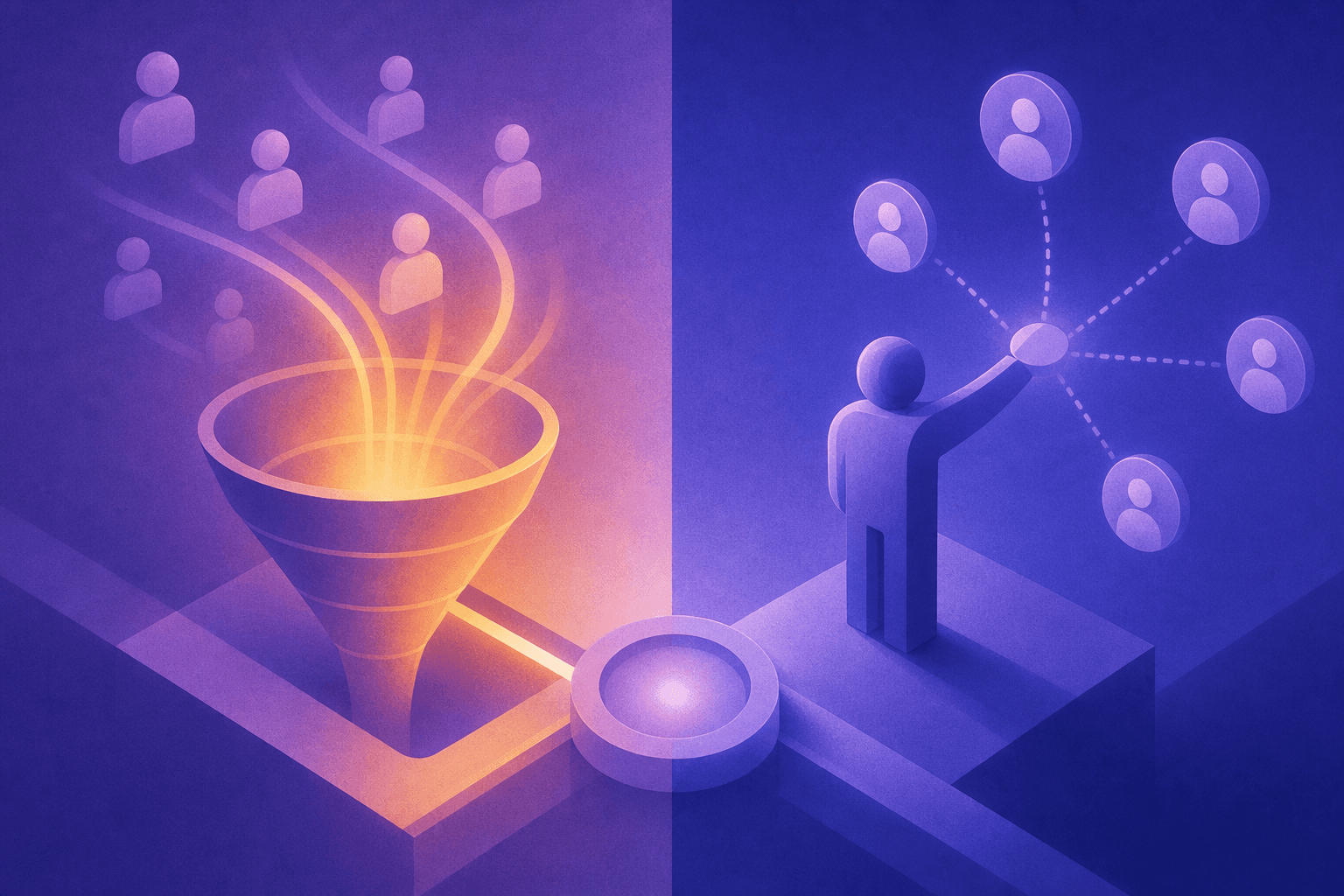
Inbound sales focuses on buyers who have already shown interest, whether by visiting your site, downloading a resource, or requesting a demo. The rep's job is to guide a warm conversation, not generate initial awareness. Outbound sales flips this: reps reach out cold through calls, emails, or LinkedIn to prospects who haven't raised their hand yet.
The core difference is timing and intent. Inbound leads arrive with context. Outbound leads require you to build it from scratch.
Factor | Inbound Sales | Outbound Sales |
|---|---|---|
Lead source | Prospect-initiated | Rep-initiated |
Buyer intent | Already present | Must be built |
Sales cycle | Typically shorter | Typically longer |
Cost per lead | Lower at scale | Higher per touch |
Inbound vs Outbound Leads: Quality, Cost, and Conversion
Lead quality and cost structure split cleanly between the two approaches. B2B conversion rate benchmarks show inbound leads convert at 5 to 10% on average versus 1 to 3% for outbound, because they arrive with context: they read your content, identified a problem, and sought you out. Outbound leads require more nurturing since contact is initiated before buying intent exists.
On cost, inbound carries higher upfront investment in content and SEO, but cost per lead drops over time as assets compound. Outbound scales faster but cost per acquisition stays relatively fixed.
For revenue teams at Series B and beyond, the practical question is pipeline mix. Inbound leads tend to have shorter sales cycles and higher close rates. Outbound expands your addressable market by reaching accounts that would never find you organically.
When to Choose Inbound Sales
Inbound works best when your product has a learning curve or a longer evaluation cycle. If buyers typically research solutions independently before talking to sales, inbound lets you meet them where they already are.
This approach fits well when:
Your category is mature enough that buyers already search for solutions, meaning there is existing demand you can capture through content and SEO.
Your sales cycle runs longer than a few weeks, giving nurture sequences and educational content time to build trust before a rep ever makes contact, especially when you score and route marketing leads efficiently.
Your team has content and marketing resources to invest, since inbound requires upfront production before it generates returns.
If your average deal size supports a longer payback window, inbound compounds over time in ways outbound rarely does.
When to Choose Outbound Sales
Outbound sales works best when your total addressable market is small and well-defined, making it impractical to wait for buyers to come to you. That's part of why AI SDRs are replacing traditional SDR teams in many outbound-heavy orgs. If you sell enterprise software to a narrow segment of Fortune 500 procurement leads, inbound volume alone will never fill your pipeline.
It also performs well in categories where buyers don't yet know a solution exists. You can't search for something you don't know you need, so proactive outreach is the only way to create awareness.
Outbound is also a fit when you need predictable pipeline on a set timeline, such as hitting a quarterly revenue target, since you control the outreach volume and cadence directly.
The Hybrid Strategy: Running Inbound and Outbound Together
Most revenue teams that scale past a certain point stop treating inbound and outbound as competing priorities. Companies running both report 38% higher revenue growth than single-motion teams (Martal, 2026). They run both, with each channel feeding the other.
Inbound-led outbound builds the content and credibility that warms cold outbound targets before a rep ever reaches out. Outbound surfaces high-fit accounts that would never have found you through search alone. When sequenced correctly, a prospect might read a blog post, get added to a warm outbound sequence, and convert because both touchpoints reinforced the same message.
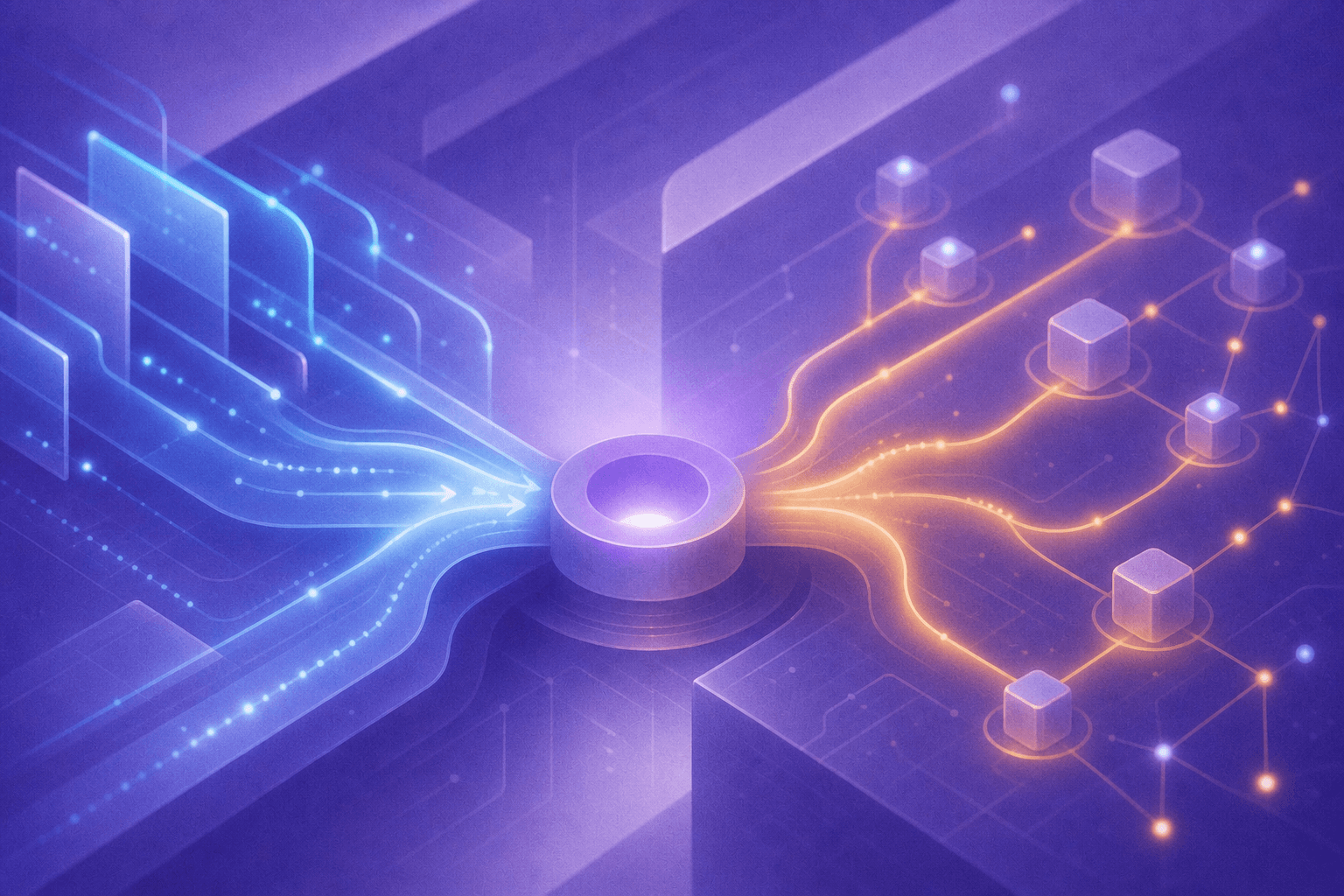
The practical split for most B2B teams is inbound handling demand capture while outbound handles demand creation. Neither replaces the other; they cover different stages of buyer awareness.
How AI Is Reshaping Inbound and Outbound Execution
AI is rewriting the execution layer for both strategies. On the inbound side, AI SDR software for inbound now scores and routes leads the moment they engage with content, cutting response time from hours to seconds. Dedicated inbound AI SDRs are built to act on that intent before a lead goes cold. On the outbound side, top AI SDR tools research prospects, personalize messaging at scale, and flag the accounts most likely to convert based on behavioral signals.
The result is that the gap between inbound and outbound is narrowing. Outbound can feel as relevant as a well-timed piece of content, and inbound follow-up can move with the urgency that outbound used to require. The teams seeing the best results in 2026 are running both in parallel, with AI handling the hand-offs between them.
How Breakout Handles the Inbound-Outbound Motion
Breakout is built for revenue teams that want both motions working in parallel without managing two separate toolsets. If you're comparing options, see how to choose the right AI SDR tools for your GTM stack. The AI researches accounts, surfaces buying signals, and triggers outbound sequences the moment a prospect shows intent, so your team reaches out before a competitor does. On the inbound side, Breakout scores and routes leads automatically, cutting the average response time that typically kills warm leads. Instead of choosing between inbound and outbound, you run a unified pipeline where each motion feeds the other, giving sales reps full context on every prospect regardless of how they entered the funnel.
Final Thoughts on How Inbound and Outbound Sales Work Together
The most productive question for your team is not inbound or outbound, but how well your current setup connects the two. Inbound leads stall when follow-up is slow, and outbound sequences underperform when reps lack context on the accounts they're contacting. Getting both right at the same time is where the real pipeline gains come from. Create a free Breakout account to see how the two motions can feed each other automatically.
FAQs
What is the core difference between inbound vs outbound sales for B2B teams?
Inbound sales captures buyers who have already self-educated and raised their hand, while outbound sales means your reps initiate contact with prospects who have not yet signaled buying intent. The practical consequence is that inbound leads arrive with context and typically move through the funnel faster, while outbound gives you direct control over which accounts you pursue and when, making the two motions complementary and not competing priorities.
Should I run inbound or outbound sales at a Series B SaaS company?
At Series B, most revenue teams benefit from running both simultaneously: inbound handles demand capture from buyers already researching your category, while outbound creates demand among high-fit accounts that would never find you organically. The risk of running only one is real: inbound stalls when traffic slows, and outbound plateaus when your team hits capacity. A unified motion, where content warms cold outbound targets and outbound sequences surface accounts your SEO will never reach, gives you more predictable pipeline across quarters.
How does AI change the inbound vs outbound marketing execution gap in 2026?
AI closes the execution gap that used to make running both motions expensive and resource-intensive. On the inbound side, tools like Breakout score and route leads the moment a visitor engages, cutting response time from hours to seconds, which matters because high-intent inbound leads go cold faster than most teams respond. On the outbound side, AI handles prospect research, signal monitoring, and personalized sequencing at scale without proportional headcount growth, so the two motions can run in parallel inside a single workflow.
Is email marketing inbound or outbound?
Email marketing is outbound when your team initiates contact with prospects who have not yet engaged, such as cold prospecting sequences. It becomes inbound when sent as a follow-up to someone who has already taken an action, such as downloading a resource, visiting a pricing page, or submitting a form, because the prospect signaled intent first. The channel is the same; the direction of initiation is what determines the classification.
How do inbound and outbound leads differ in cost and conversion rate?
Inbound leads generally convert at a higher rate because they arrive pre-qualified: the buyer identified a problem, researched solutions, and came to you. Outbound leads carry a higher cost per acquisition and require more nurturing since intent has to be built from scratch. Inbound carries heavier upfront investment in content and SEO, but cost per lead compounds downward over time, while outbound cost per acquisition stays relatively fixed regardless of volume.